 Chuckanut
 Windows Built for Alger's Weather, Not Just Its View
Alger sits close enough to the water that homes here take a different kind of beating than houses further inland in Whatcom County. Salt-laden air moves through on a regular basis, driving rain comes in sideways more often than straight down, and the long gray moss season keeps everything damp for months at a time. Windows are one of the first places that shows up. Frames swell, seals fail early, hardware corrodes, and glass that looked fine in July starts fogging by November. If you're pricing custom windows for a home in Alger, the conversation needs to start with what this climate actually does to a window over ten or twenty years, not just what looks good in a showroom.
This page is specifically about custom window work for homes in and around Alger. We're not going to give you a generic rundown of window types that could apply anywhere in the country. We're going to walk through what we actually look at, recommend, and install for houses dealing with this stretch of coastline and its weather.
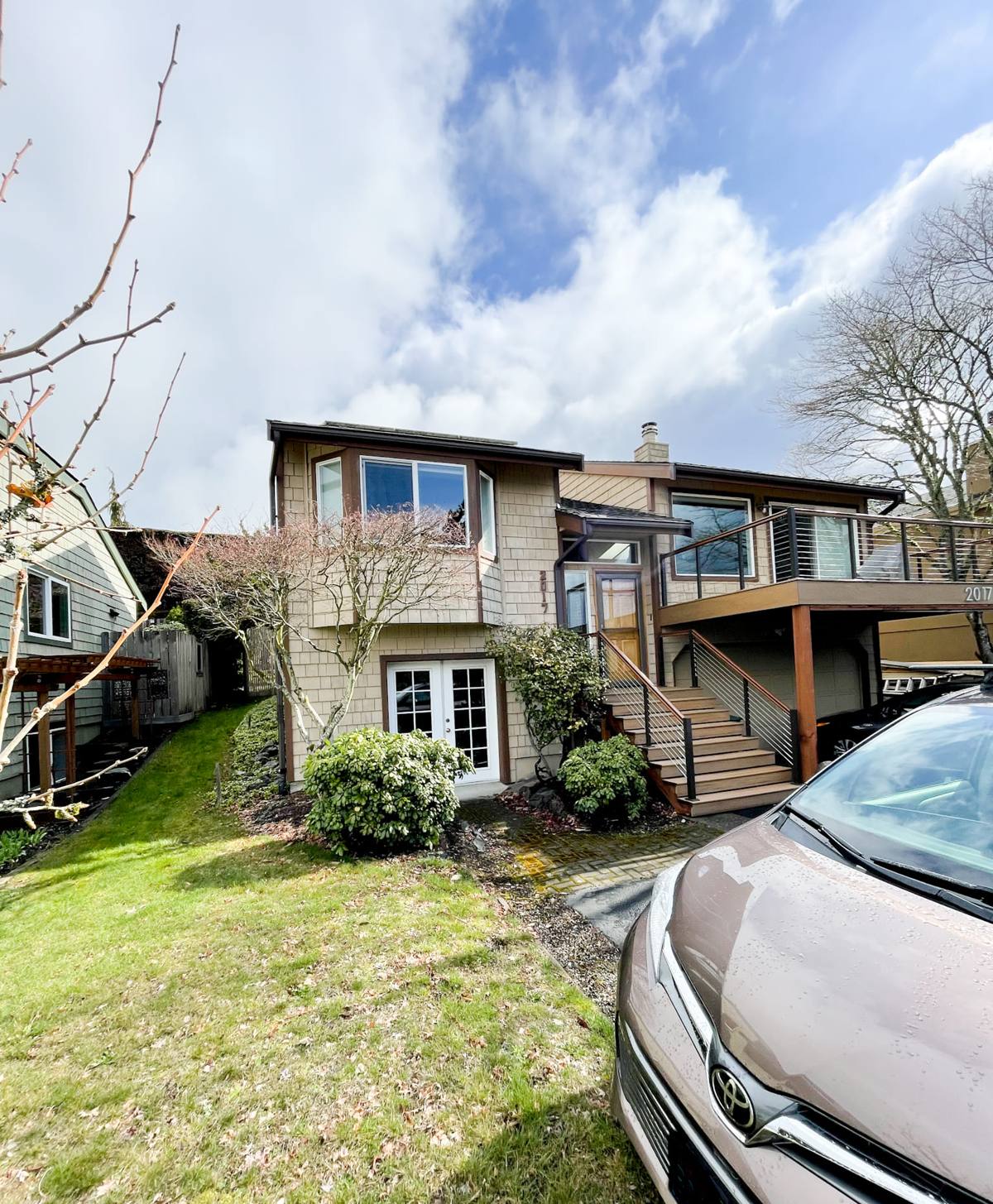
What "Custom" Actually Means Here
Custom windows aren't necessarily fancier or more expensive than off-the-shelf units — the word just means the window is built to fit your actual opening, your actual wall assembly, and your actual exposure, rather than forcing your house to fit a stock size. In Alger, that matters more than in a lot of places because:
- Older homes in this area often have openings that have shifted slightly over decades of moisture cycling, so stock sizing leaves gaps that need heavy shimming or trim modification.
- Wind-driven rain exposure varies a lot from one side of a house to another — a west or southwest-facing wall near open water needs a different flashing and sealing approach than a sheltered north side.
- Salt air accelerates corrosion on hardware, screens, and cladding, so the right frame material and finish for an Alger home isn't always the same one we'd spec for a client fifteen miles inland.
Custom simply means we measure, assess exposure, and build the window and its installation detail around what your house is actually dealing with.
Frame Materials: What Holds Up in This Climate
Vinyl
Good vinyl windows perform well in coastal Whatcom County conditions. They don't corrode, they don't need repainting, and modern multi-chamber vinyl frames handle moisture cycling without warping the way older single-chamber vinyl sometimes did. The trade-off is color and trim options are more limited than wood or fiber-cement-clad units, and lower-grade vinyl can get brittle over many years of UV and temperature swings.
Fiberglass
Fiberglass frames expand and contract at nearly the same rate as glass, which means tighter long-term seals and fewer stress cracks around the glazing — a real advantage when a house goes through repeated wet-to-dry cycles. It also shrugs off salt air without corrosion concerns. It costs more than vinyl but tends to need less attention over its life.
Wood and Wood-Clad
Wood windows still have their place, especially on older or architecturally distinct homes where matching the original look matters. But bare or under-maintained wood is genuinely a poor match for Alger's damp, salty, moss-prone conditions — it needs a disciplined repainting and sealing schedule to avoid rot. If a homeowner wants the wood look, we're upfront that a quality wood-clad option (wood interior, weather-resistant exterior cladding) is going to hold up far better here than a fully exposed wood frame, and we'll say so even if it's not the cheapest option on the table.
Aluminum
Aluminum is a poor choice for this specific climate. It conducts heat and cold efficiently, which causes condensation problems in our wet, cool winters, and standard aluminum hardware is more prone to salt-air corrosion than vinyl or fiberglass fittings. We don't recommend it for Alger homes as a primary window material, and we'll explain why rather than just steering you away without reason.
| Frame Material | Salt Air Resistance | Moisture Cycling | Maintenance Level |
|---|---|---|---|
| Vinyl (multi-chamber) | Excellent | Good | Low |
| Fiberglass | Excellent | Excellent | Low |
| Wood-clad | Good | Good | Moderate |
| Bare wood | Fair | Fair to Poor | High |
| Aluminum | Fair | Poor (condensation) | Moderate to High |
Glass and Seal Packages That Matter for Driving Rain
The glass package on a window is where a lot of the real performance difference shows up, especially on walls that catch driving rain directly.
- Double vs. triple pane: Triple-pane glass adds meaningful insulation value and helps reduce interior condensation on cold, wet days, which is common in this area. It's not always necessary on sheltered elevations, but we often recommend it for exposed sides of the house.
- Low-E coatings: These help manage heat loss and reduce UV fading on interior floors and furniture, and they don't add meaningfully to cost. There's little reason to skip this in our region.
- Warm-edge spacers: The spacer between glass panes affects how well the seal holds up over years of moisture and temperature cycling. Cheaper aluminum spacers conduct cold and can contribute to condensation and premature seal failure; warm-edge spacer systems perform better long-term in a climate like ours.
- Gas fill: Argon-filled units are standard practice now and add real insulating value for a small cost difference.
Installation Detail: Where Most Window Failures Actually Start
In our experience, most window problems in this region aren't caused by a bad window — they're caused by a rushed or incomplete installation. Given how much wind-driven rain this area sees, the installation detail is arguably more important than the window brand itself.
What a correct installation includes
- Full inspection of the rough opening for existing rot or water damage before the new window ever goes in — installing a new window over a hidden moisture problem just seals the problem inside the wall.
- Proper flashing sequence (sill pan, jamb flashing, head flashing) installed so water is shed outward at every layer, not just caulked and hoped for.
- Correct shimming and fastening so the frame isn't racked or bowed, which stresses seals and leads to early failure.
- Sealant appropriate for the substrate and exposure, applied at the right points — not smeared everywhere as a substitute for good flashing.
- Interior air sealing and insulation around the frame, which affects both comfort and condensation control.
Cutting corners on any one of these steps might not show up for a year or two, but on an exposed Alger wall it usually shows up eventually — as staining, soft trim, fogged glass, or drafts.
Our Process for an Alger Custom Window Project
- On-site assessment. We look at each window opening individually, note exposure direction, check for existing moisture or rot issues, and take precise measurements.
- Material and glass recommendations. Based on that assessment, we recommend frame material and glass packages suited to each elevation of the house — a sheltered north-facing window doesn't necessarily need the same spec as a wide-open west-facing one.
- Custom fabrication. Windows are built to your exact openings rather than force-fit from stock sizes.
- Removal and inspection. Old windows come out carefully, and we check the opening for hidden damage before anything new goes in.
- Flashing and installation. Correct flashing sequence, shimming, fastening, and sealing, done to hold up against this area's rain exposure.
- Interior and exterior finish work. Trim, sealing, and cleanup so the finished job looks right inside and out.
- Walkthrough. We go over the finished work with you and answer questions about operation and care.
Why Local Experience with This Specific Area Matters
A window crew that mostly works dry inland neighborhoods can still do competent work, but they may not default to the flashing details, material choices, and sealant practices that this exact stretch of Whatcom County coastline calls for. Working regularly in Alger and nearby Chuckanut-area homes means we already know which elevations tend to take the worst of the driving rain, how quickly moss and moisture build up on north-facing trim, and which materials actually hold up rather than just perform well on paper. That local pattern recognition shortens the assessment process and reduces the chance of a callback for a problem that should have been caught the first time.
Signs Your Current Windows Are Losing the Fight
- Fogging or moisture between panes, which means the seal has failed and the insulating gas is gone.
- Soft or discolored trim and sill areas, often a sign water is getting behind the frame.
- Difficulty opening, closing, or locking, which can point to a frame that's swelling or shifting.
- Noticeable drafts near the frame edges, even with the window fully closed and locked.
- Visible moss or persistent green staining around the frame or sill, a sign moisture is sitting there longer than it should.
Any one of these is worth a look before it turns into a bigger repair, especially heading into another wet season.
Getting Started
Every Alger home has its own mix of exposure, age, and existing window condition, so we'd rather look at your specific house than quote something generic over the phone. If you'd like a straightforward, no-pressure look at your windows and an honest read on what would actually hold up on your home, use the form below to request a free estimate.