 Chuckanut
 Siding Built for Edison's Weather, Not Just Installed There
Edison sits close enough to open water that salt air is a fact of daily life, not an occasional nuisance. Add in the long stretches of driving rain that roll through this part of Western Washington every fall and winter, plus a moss and algae season that can run nine months out of twelve, and you've got a climate that is genuinely hard on exterior building materials. A siding product that looks fine in a showroom in Phoenix or Denver can fail early here if it wasn't engineered with this kind of weather in mind.
Chuckanut Siding works throughout the surrounding Whatcom County area, and Edison is one of the communities where we see the clearest examples of what salt air and sustained moisture do to a home's exterior over time. That experience shapes how we talk to homeowners here about material choice, installation detail, and long-term maintenance.
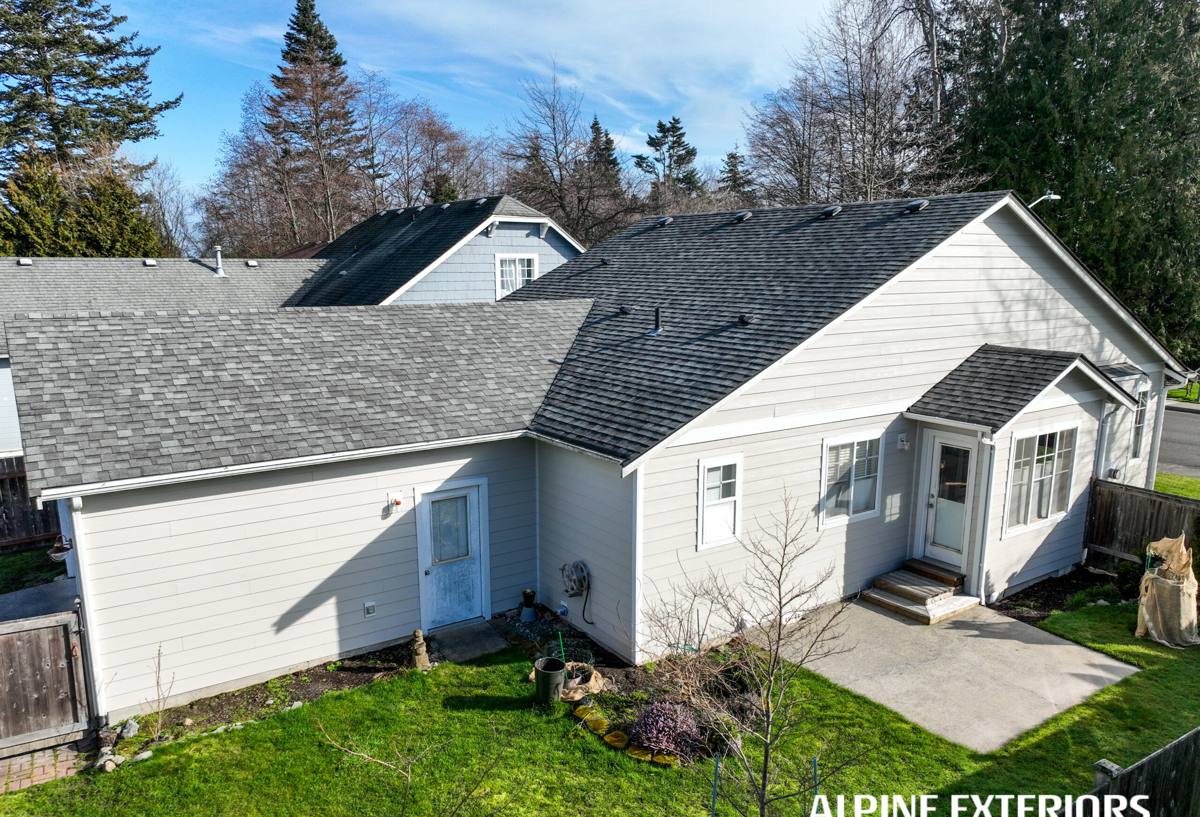
What This Climate Actually Does to a House
Salt Air and Metal Fasteners
Homes near open water deal with airborne salt that settles on every exterior surface, including the fasteners, flashing, and trim holding your siding together. Over years, that salt exposure accelerates corrosion on lower-grade hardware and can stain or degrade certain siding finishes faster than the manufacturer's marketing photos suggest. It's one of the reasons fastener selection and flashing detail matter as much as the siding panel itself.
Driving Rain and Wind-Driven Moisture
Rain that falls straight down is manageable for almost any siding system. Rain that comes in sideways during a windstorm is a different problem — it gets pushed up under laps, into seams, and behind trim if the installation isn't detailed correctly. This is where a weather-resistive barrier, proper flashing, and correct lap exposure stop being optional extras and start being the difference between a wall assembly that lasts decades and one that traps moisture inside.
Moss, Algae, and Shade
Between the tree cover common in this area and the extended damp season, north-facing and shaded walls develop moss and algae growth faster than homeowners expect. Some siding materials absorb moisture into their surface, which gives organic growth something to hold onto. Others shed water and stay cleaner longer simply because of how the material is manufactured and finished.
Why We Only Install James Hardie Fiber Cement
Chuckanut Siding made a deliberate decision to install James Hardie fiber cement siding exclusively. We don't install vinyl, LP SmartSide, Cemplank, Allura, primed spruce, or cedar. That's not a marketing angle — it's a standard we hold because of what we've seen these products do, and not do, in exactly this kind of climate.
Fiber cement is made from cement, sand, and cellulose fibers. It doesn't warp in humidity, it doesn't expand and contract with temperature swings the way vinyl does, and it isn't made from wood fiber the way LP SmartSide is, which means it doesn't share wood's vulnerability to sustained moisture exposure at cut edges and seams. James Hardie backs its products with ColorPlus Technology, a factory-applied finish baked onto the board under controlled conditions, which holds color and resists fading, chipping, and moisture intrusion far better than field-applied paint.
James Hardie also engineers regional product lines — HZ5 and HZ10 — specifically for climates with more moisture exposure, including areas near open water. That's a meaningful distinction from a one-size-fits-all siding product, and it's a big part of why we standardized on this manufacturer rather than offering several competing options.
What We're Not Saying
We're not telling homeowners that vinyl or LP SmartSide are junk products with no place in the market. Vinyl is inexpensive and low-maintenance in mild climates. LP SmartSide performs reasonably well when it's installed and maintained exactly to spec. But we've made a professional judgment that, for the moisture and salt exposure common around Edison and the rest of Whatcom County, fiber cement is the material we're willing to put our name behind — and the material we'd choose for our own homes.
How Chuckanut Siding Works in Edison
We're a local crew, which matters more here than in a lot of trades. Siding installation is detail work — flashing at windows and doors, proper starter strips, correct nail placement, weather barrier integration — and the margin for error is smaller in a climate that punishes shortcuts. A crew that works this region regularly knows which wall orientations take the worst weather, where moss tends to establish first, and how local wind patterns affect water intrusion at corners and penetrations.
Every project starts with an on-site look at your home's current siding condition, an honest conversation about what's actually failing and why, and a straightforward estimate. We don't push a bigger scope than a home needs, and we don't quote fiber cement pricing and then substitute a cheaper product to hit a number.
Beyond Siding: The Full Exterior Envelope
Siding doesn't work in isolation. Water that gets past a roof edge, a window flashing detail, or a deck ledger board can undermine even a well-installed siding job. That's why Chuckanut Siding also handles roofing, windows, and decks — so the parts of your home's exterior that interact with each other are handled by one crew with a consistent standard, instead of being pieced together by separate contractors who never talk to each other.
- Roofing — proper roof-to-wall flashing keeps water from being driven behind new siding at the most vulnerable transition point on the house.
- Windows — window flashing and siding installation have to be sequenced correctly, or you end up with a leak path hidden behind a brand-new wall.
- Decks — ledger board attachment and flashing are common sources of hidden rot, especially on homes with the moisture exposure typical of this area.
What Drives Siding Cost in Edison
| Factor | Why It Matters |
|---|---|
| Home size and wall complexity | More corners, dormers, and roof lines mean more cutting, flashing, and labor time. |
| Current siding removal | Tear-off of old cedar, vinyl, or damaged material adds labor and disposal cost versus a clean substrate. |
| Underlying sheathing condition | Moisture-damaged sheathing found during tear-off needs repair before new siding goes on — this is common on older homes near water. |
| Product line and profile | HardiePlank lap siding, HardiePanel, and HardieShingle carry different material and labor costs. |
| Trim and accessory scope | Corner boards, window trim, and fascia detail add cost but are critical for weather performance in a wet climate. |
Fiber Cement vs. Other Common Siding Materials
| Material | Moisture Behavior in This Climate | Finish Longevity |
|---|---|---|
| James Hardie fiber cement | Doesn't absorb moisture into the core; engineered HZ lines for wetter regions | Factory ColorPlus finish, long repaint intervals |
| Vinyl | Sheds water but can warp or crack with temperature swings; seams can allow moisture behind panels | Color molded in but fades over time; not repaintable easily |
| LP SmartSide (engineered wood) | Performs well if perfectly installed and maintained; more vulnerable at cut edges and joints if moisture gets in | Factory-finished but wood substrate underneath |
| Cedar | Natural material, absorbs and releases moisture; needs consistent maintenance to resist rot in wet climates | Requires regular refinishing or staining |
Signs Your Current Siding May Be Struggling
- Persistent moss or algae streaking on north- or shade-facing walls
- Soft or spongy spots when pressed, especially near the bottom courses
- Visible warping, bowing, or gaps at seams and corners
- Paint that's peeling or bubbling rather than just fading
- Rust staining running down from fasteners or trim
- Interior signs like musty smells or discoloration on walls that share an exterior wall
A Straightforward Process
We start with an inspection and an honest read on your home's current condition — not every home needs a full replacement, and we'll tell you if a repair or partial re-side makes more sense. From there, we walk through James Hardie product and color options suited to your home's exposure, provide a clear written estimate, and schedule the work around a realistic timeline for weather and material availability. Throughout the job, our crew handles flashing, weather barrier integration, and fastener placement to the standards this climate actually requires, not just to a minimum code pass.
Get a Free, No-Pressure Estimate
If your Edison-area home is showing signs of wear, or you're just planning ahead for a future siding, roofing, window, or deck project, we're happy to take a look and give you a straight answer about what your home needs. There's no cost and no pressure to move forward — just an honest assessment from a crew that works in this climate every day.