 Chuckanut
 Deck Building in Burlington: Built for This Corner of Washington
A deck in Burlington doesn't fail the same way a deck in a dry climate fails. Out here, the enemy isn't one big storm — it's the slow, steady grind of salt-laden air off the Sound, driving rain that comes in sideways for weeks at a stretch, and a moss and algae season that stretches from fall clear through spring. A deck built without those three things in mind will look fine for a year or two, then start showing soft spots, black streaks, and squeaky, loosening boards right when you expect it to still look new.
We build decks for homes in Burlington and the surrounding Skagit Valley the way local conditions actually demand, not the way a generic build guide says to. That means different fastener choices, different drainage planning, and different material recommendations than you'd get from a contractor who mostly works inland or in a drier part of the state.
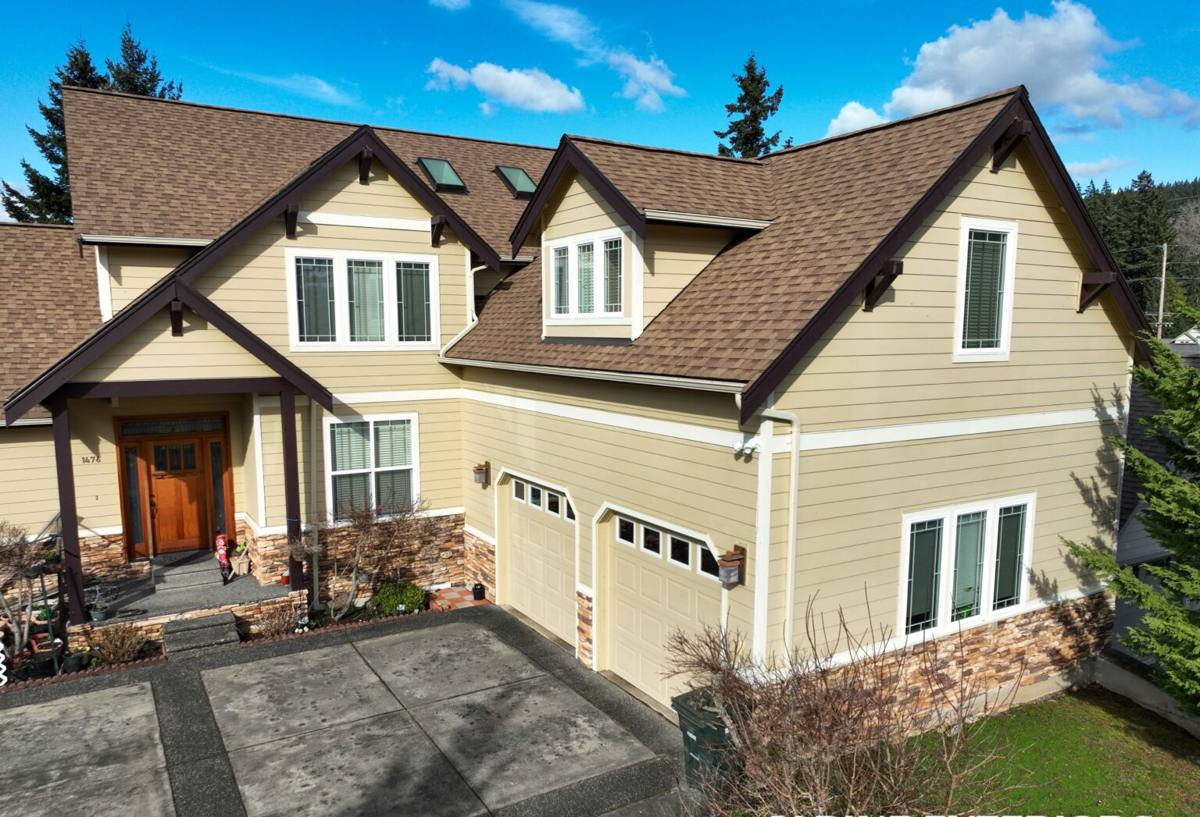
What Burlington's Climate Actually Does to a Deck
Salt Air
Proximity to Puget Sound means a steady, low-level exposure to salt-carrying air. It's not as aggressive as a deck sitting right on the waterline, but it's constant, and it accelerates corrosion on anything metal — screws, joist hangers, post bases, railing brackets. Standard zinc-coated hardware that would be fine in a landlocked town can start rusting and staining decking within a few seasons here.
Driving Rain
Whatcom and Skagit County rain rarely falls straight down. Wind-driven rain gets pushed sideways under railings, into ledger board connections, and behind fascia trim — areas a lot of builders treat as "dry enough" because they're technically covered. Over time, that moisture finds every gap in flashing, every unsealed cut end, and every fastener hole that wasn't pre-drilled and sealed properly.
Moss and Algae
With months of overcast, damp weather, moss and green algae growth isn't an occasional nuisance here — it's an annual cycle. Moss holds moisture directly against wood fibers and decking surfaces far longer than open air would, which is exactly the condition that leads to rot, and it makes boards genuinely slick and dangerous underfoot on shaded or low-airflow sections of a deck.
Choosing Decking Material for This Climate
There's no single "best" decking material — there's the right material for your budget, your maintenance appetite, and how much shade and moisture your specific deck location gets. Here's how the common options actually perform under Burlington-area conditions:
| Material | How It Handles Rain & Moss | Maintenance Reality | Typical Lifespan Here |
|---|---|---|---|
| Pressure-treated wood | Needs a real sealed finish; bare or neglected wood absorbs moisture and grows moss fast | Annual cleaning, re-sealing every 2-3 years | 15-20 years with upkeep |
| Cedar | Naturally rot-resistant but still needs sealing against constant damp | Regular sealing, more careful cleaning to protect the finish | 15-25 years with upkeep |
| Composite decking | Doesn't absorb water like wood; surface texture still needs periodic cleaning to prevent moss film | No staining/sealing; occasional wash-down | 25-30+ years, manufacturer-dependent |
| PVC decking | Fully moisture-resistant surface; least hospitable material for moss to grip | Lowest maintenance; simple periodic cleaning | 25-30+ years, manufacturer-dependent |
Composite and PVC cost more upfront, and we're honest about that trade-off — but in a climate where wood needs consistent, disciplined maintenance to survive, a lot of Burlington homeowners find the lower long-term upkeep worth it. Wood is still a legitimate choice if you want that traditional look and are willing to stay on top of sealing. We'll walk through the real cost-over-time picture for your situation rather than just pushing whatever's easiest for us to install.
What a Correctly Built Deck Involves
A deck is only as good as what's underneath it and holding it together. In this climate, a handful of details separate a deck that lasts decades from one that needs major repair in five years:
Footings and Framing
Footings need to sit below frost depth and on stable, well-compacted soil — the Skagit Valley's mix of clay-heavy and low-lying ground means we don't cut corners on footing depth or size just to save time. Framing lumber should be rated for ground contact where it's close to grade, and every structural connection should use hardware rated for exterior, corrosion-prone environments.
Flashing at the Ledger Board
Where the deck attaches to your house is the single most common source of hidden rot on any deck, anywhere — but it's especially true where driving rain is normal. Proper ledger flashing directs water away from the house band board instead of letting it pool and seep in behind the connection. This is the detail we see skipped or done wrong most often on decks we've been called to repair.
Fasteners and Hardware
Given the salt air here, we use stainless steel or high-grade coated fasteners and connectors rather than standard zinc hardware, particularly for joist hangers, post bases, and any hardware near ground level or exposed to weather. It costs a bit more upfront and saves you rust streaks and weakened connections down the road.
Drainage and Airflow
Boards need proper gapping for water to shed through rather than pool on the surface, and the space underneath a deck needs enough airflow to actually dry out between rain events. A low, boxed-in deck with no ventilation underneath is exactly the kind of setup that stays damp for weeks at a time and invites both rot and moss.
Railings and Stairs
Railing posts are a frequent weak point — they take structural load and sit exposed to the weather on all sides. We anchor them with hardware built for that load and that exposure, not just enough to pass a quick visual check.
Our Deck Building Process
- On-site assessment — We look at sun and shade exposure, drainage slope, soil conditions, and how the deck will tie into your home before recommending materials or layout.
- Honest material walkthrough — We explain the real trade-offs between wood and composite/PVC options for your specific spot on the property, including upkeep expectations.
- Design and permitting — We handle the plan details and permitting steps required for your jurisdiction so the structure is documented and built to code.
- Footings and framing — Proper footing depth, ground-contact-rated framing lumber, and corrosion-resistant structural hardware throughout.
- Flashing and waterproofing — Ledger flashing, house-side sealing, and drainage planning done before a single deck board goes down.
- Decking, railing, and finish work — Installed with proper board spacing, fastening, and railing anchoring for long-term stability.
- Final walkthrough — We go over care and maintenance expectations specific to the material you chose, so there are no surprises in year two or three.
Signs an Existing Deck Is Losing the Fight
If you already have a deck and are weighing repair versus replacement, these are the warning signs worth taking seriously in this climate:
- Soft, spongy spots underfoot, especially near the house or in shaded corners
- Persistent green or black staining that comes back quickly after cleaning
- Rust streaks bleeding from screw heads or metal connectors
- Gaps or cracking around the ledger board where the deck meets the house
- Railing posts that flex or feel loose when pushed
- Standing water or slow-draining puddles after rain
- Visible moss buildup in the gaps between boards
Any one of these on its own might just need attention. Several together usually mean the structure or its water management was never done right in the first place, and it's worth a real inspection before you spend money patching symptoms.
Keeping a Burlington Deck Healthy Year-Round
Whatever material you choose, a little seasonal attention goes a long way here:
- Fall: Clear fallen leaves and debris regularly — trapped organic matter is what kick-starts moss growth heading into winter.
- Winter: Keep drainage paths clear of debris so meltwater and rain actually run off instead of pooling.
- Spring: This is peak moss season — a wash-down with an appropriate cleaner (not a pressure washer set too aggressively, which can damage wood fibers or composite surfaces) keeps growth from taking hold.
- Summer: The dry stretch is the right window for wood sealing or staining, and for inspecting hardware and railings before the wet season returns.
Wood decks need this kind of attention every single year to hit their expected lifespan. Composite and PVC decks need far less, but "zero maintenance" is a marketing phrase, not reality — even those benefit from an occasional cleaning to keep moss film from building up in shaded areas.
Permits and Local Building Requirements
Most deck projects above a certain height or size require a building permit, and inspections along the way for footings and framing before decking goes down. Requirements vary by jurisdiction and by the specifics of your property, so we handle the permitting process as part of the job rather than leaving you to sort it out. Skipping permits on a structural project like a deck isn't worth the risk — it can create real problems later when you go to sell the home or if there's ever a safety question about the structure.
Why Hire a Crew That Already Works in Burlington
A deck builder who mostly works in drier parts of the state will often default to standard hardware, standard flashing details, and standard maintenance advice — because that's what works where they usually build. Those defaults fall short here. We build and repair decks throughout the Chuckanut area and Burlington regularly enough to know which details actually matter for this specific mix of salt air, driving rain, and moss, and we don't treat those as optional upgrades — they're just how we build.
We're also the ones you can call back in three years if something needs attention, not a crew that did one job in the area and moved on. That matters more with decks than almost any other exterior project, because the problems that show up later — rot at the ledger, corroding hardware, a slick moss buildup on the north side — are exactly the ones a distant or one-time contractor won't be around to make right.
Get a Free, No-Pressure Estimate
If you're planning a new deck or trying to figure out whether an existing one needs repair or replacement, we're happy to take a look and give you a straight answer — no pressure, no upsell. Fill out the form below and we'll get in touch to schedule a time that works for you.