 Chuckanut
 Windows Built for Fairhaven's Coastal Climate
Homes in Fairhaven and the surrounding Chuckanut area sit close to the water, tucked against bluffs and tree cover that hold moisture long after a storm has passed. That combination — salt-laden air off the bay, driving rain that comes in sideways during a southwester, and a moss season that can stretch for most of the year — is hard on windows in ways that inland Whatcom County homes simply don't deal with. Frames swell and stick. Seals fail early. Aluminum hardware pits and corrodes. Wood sashes that would last decades in a drier climate start showing rot in half that time.
This page covers what custom window replacement actually looks like for a Fairhaven home: what the climate does to windows, what a correctly installed window needs to hold up here, how our process works, and what it costs to do the job right. It's written for homeowners deciding whether to repair, replace, or hold off — not to sell you on a brand.
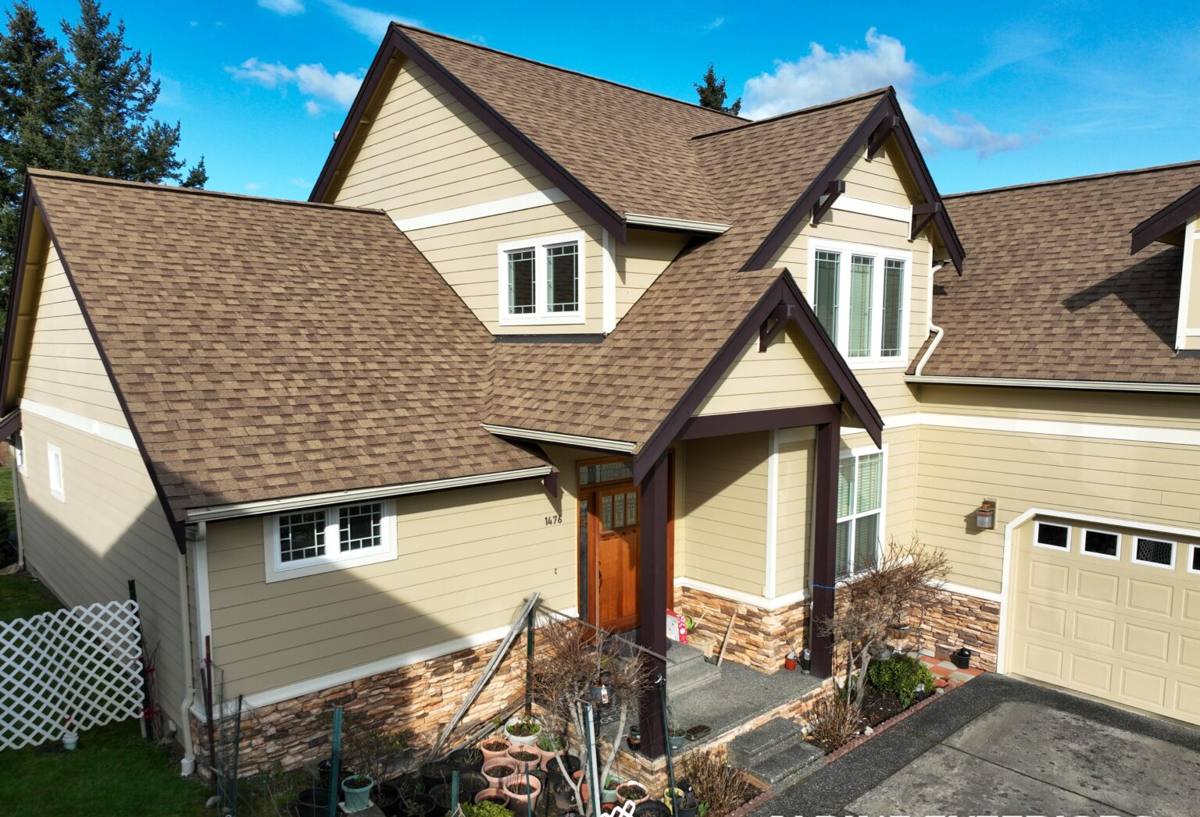
What Salt Air, Rain, and Moss Do to a Window Over Time
Salt and Coastal Exposure
Airborne salt from Bellingham Bay settles on every exterior surface, including window frames and hardware. On aluminum and lower-grade vinyl, that salt accelerates corrosion and pitting around hinges, locks, and cranks. On wood, it draws moisture into the grain, which speeds up rot at joints and sills. Even coated and anodized finishes need a rinse-down periodically to stay ahead of it — something most homeowners don't realize until the hardware is already stiff or discolored.
Wind-Driven Rain
Chuckanut's storms don't just drop rain straight down — wind pushes it sideways and up under trim, sills, and flashing. A window that would stay dry in a calm rain can take on water here if the flashing details and sealants aren't done correctly. This is the single biggest cause of hidden water damage we see in older Fairhaven homes: not a failed window itself, but a poorly flashed opening around it.
Moss and Trapped Moisture
Shade, humidity, and mild temperatures make this a long moss season. Moss and algae don't just grow on roofs — they take hold on window sills, in frame corners, and along weep holes, where they trap moisture against the material and slow drainage. A window with clogged weep holes can hold standing water at the sill for days after a storm, which is exactly the kind of slow, repeated exposure that breaks down seals and rots wood over a few seasons.
Signs Your Fairhaven Home's Windows Are Falling Behind
Most window failure here is gradual, not sudden. These are the signs worth acting on before they turn into a bigger repair:
- Fogging or a haze between panes — the seal has failed and the insulating gas is gone
- Soft or discolored wood at the sill or lower corners of the frame
- Drafts you can feel even with the window latched and locked
- Hardware that's stiff, corroded, or won't latch tight anymore
- Moss or dark staining building up on the sill or in the frame corners
- Paint or finish that's peeling or bubbling on the interior side, which often points to trapped moisture
- Visible gaps or cracked caulk around the exterior trim
Any one of these on its own might just need a repair. Several at once, especially on a window that's original to the house, usually means it's time to talk about replacement.
What a Correct Custom Window Installation Involves
Frame Material
There's no single "best" frame material for every home — it depends on the exposure, the home's style, and your maintenance tolerance. Here's how the common options hold up in a marine climate like Chuckanut's:
| Material | Coastal Performance | Maintenance |
|---|---|---|
| Vinyl | Good — won't rot or corrode, handles moisture well | Low — occasional cleaning |
| Fiberglass | Excellent — very stable, resists warping and doesn't corrode | Low |
| Wood (unclad) | Fair — classic look, but needs protection from driving rain and salt | High — regular painting/sealing |
| Wood-clad (exterior) | Good — clad exterior sheds weather, wood interior stays protected | Moderate |
| Aluminum | Poor to fair near salt air — prone to pitting and corrosion over time | Moderate to high |
For homes directly exposed to bay winds and salt, we generally steer customers toward vinyl or fiberglass, or a well-detailed clad-wood product if the look calls for it. That's a maintenance and moisture-behavior call, not a knock on wood or aluminum windows in general — they can work fine in more sheltered spots on the same property.
Flashing and Weatherproofing
The window itself is only part of the job. The flashing, sill pan, and sealant details around the opening are what actually keep wind-driven rain out of the wall. A correct installation includes a sloped sill pan so any water that gets past the window drains back out, properly lapped flashing tape integrated with the house wrap, and the right sealant at the right joints — not just a bead of caulk around the trim. Skipping these steps is the most common reason a "new" window still leaks.
Glass and Glazing
Double-pane, low-E glass is standard for most homes here and does a solid job with both insulation and moisture control. Triple-pane adds extra insulating value and sound dampening, which some homeowners want for rooms facing the bay or a busy stretch of road, but it comes at a higher cost and added weight. We'll walk you through whether that upgrade makes sense for your specific windows rather than upselling it across the board.
Our Process, Start to Finish
1. On-Site Assessment
We look at each window from both sides — frame condition, sill and flashing details, signs of past water intrusion, and how exposed that particular window is to wind and rain. Not every window on a house needs the same solution.
2. Honest Recommendation
You get a straight answer on repair versus replace, and which materials fit your home and budget. If a window can be reasonably repaired instead of replaced, we'll tell you.
3. Written Estimate
A clear, itemized quote — materials, labor, and scope — before any work starts. No vague allowances.
4. Careful Removal and Installation
Old windows come out cleanly, the opening gets inspected for hidden rot or water damage, and the new window goes in with proper flashing, shimming, and insulation around the frame — not just caulked into the old opening.
5. Final Walkthrough
We check operation, seals, and exterior finish work with you before calling the job done.
What Custom Windows Typically Cost in Fairhaven
Pricing depends on size, material, glazing, and how much flashing or trim repair the opening needs. These are broad, honest ranges per window, installed — not a quote for your specific job:
| Window Type | Typical Range (Installed) | Notes |
|---|---|---|
| Standard vinyl, double-pane | Lower end of the market | Good value, low maintenance |
| Fiberglass, double-pane | Mid-range | More durable frame, longer lifespan |
| Wood-clad, custom sizing | Higher end | Common for historic or architectural homes |
| Triple-pane upgrade | Adds to any base price | Worth it for high-exposure or noise-sensitive rooms |
Openings with hidden rot or old, poorly flashed framing will cost more to do right — that's carpentry work uncovered once the old window is out, not padding on the estimate. We'll always show you that before proceeding, not after.
Why a Crew That Already Works Fairhaven Matters
Window installation isn't the same job in every part of Whatcom County. A crew that mostly works drier, inland neighborhoods can install a technically fine window and still get the flashing detail wrong for wind-driven coastal rain, because it's never been tested against that kind of weather. Working Chuckanut and Fairhaven regularly means we've seen how these homes actually fail — where moss builds up, which sills take on water first, how salt air ages hardware — and we build the installation around that, not around a generic spec sheet.
It also means we're familiar with the older building stock common in this part of Whatcom County — original framing, non-standard opening sizes, and the trim details that come with older homes near the bay. That matters when a "custom" window actually needs to be custom-sized, not forced into a stock opening.
Keeping New Windows Performing Season After Season
A correctly installed window still needs some basic upkeep in this climate. A little attention twice a year goes a long way:
- Rinse salt residue and grime off frames and glass, especially on bay-facing sides
- Clear weep holes and sill tracks of moss, needles, and debris so water can drain
- Check and re-lubricate hardware if cranks or locks start to feel stiff
- Inspect exterior caulk lines once a year and touch up any cracked or shrunk sections
- Look for early soft spots in wood trim or cladding before they spread
If you're already noticing drafts, fogged glass, or moisture problems on an older Fairhaven home, it's worth getting a straight assessment before another wet season adds to the damage. We're happy to take a look and give you a free, no-pressure estimate — use the form below to get started.