 Chuckanut
 Window Installation for Mount Vernon Homes
Homes in and around Mount Vernon sit in a stretch of the Skagit Valley that takes a real beating from the weather. You're close enough to Samish Bay and the Chuckanut corridor to get salt-laden air working on your metal and wood, far enough into farm country to catch driving wind-driven rain off the valley, and wet enough most of the year to grow moss and algae on anything that doesn't get sun or airflow. Windows are one of the first places all of that shows up — swollen sashes, foggy double panes, soft trim, and drafts that weren't there five years ago. We install and replace windows for homeowners in this area because we work here regularly, not as a one-off drive-in job, and that matters more with windows than with almost anything else on the outside of a house.
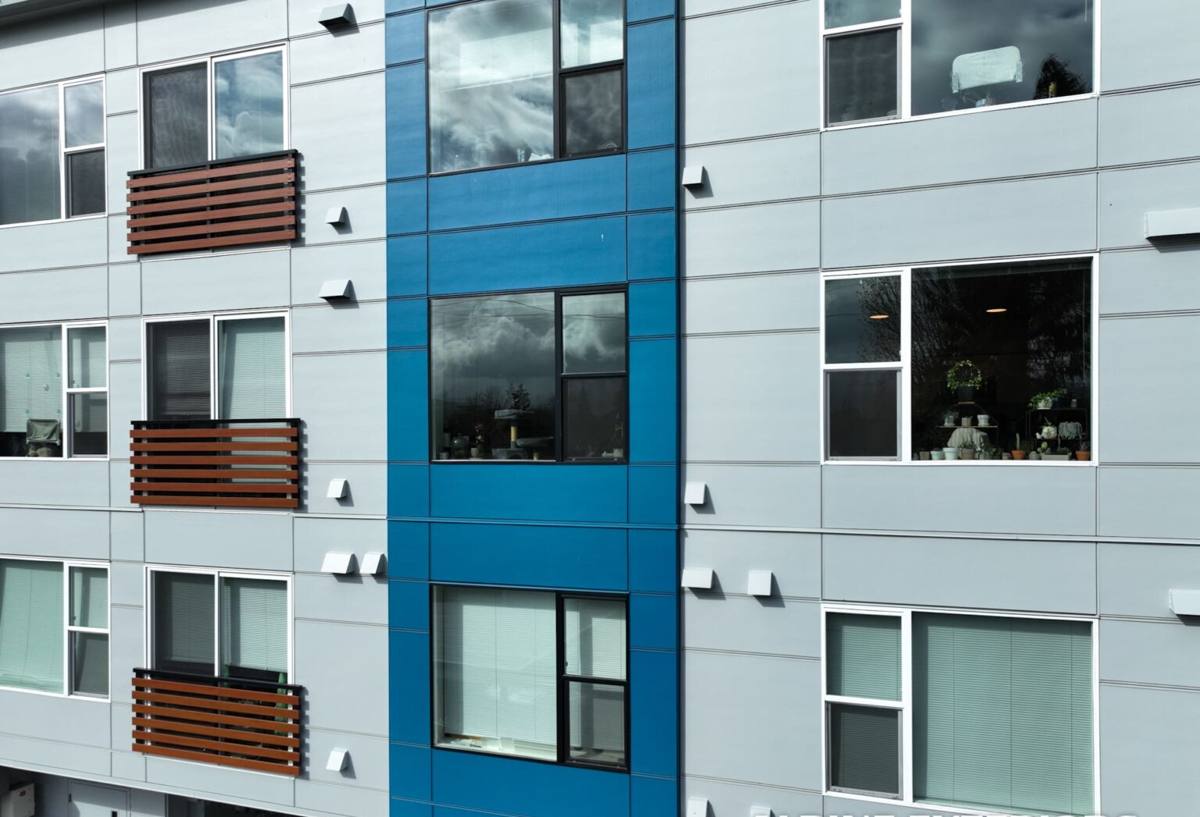
What This Climate Actually Does to Windows
It helps to understand the specific ways Mount Vernon's weather works against a window installation, because it changes what "correct" looks like here versus a dry-climate install.
Wind-Driven Rain
Rain in this part of Washington rarely just falls straight down — it gets pushed sideways by wind coming off the valley and the water. That means water is hitting window assemblies at an angle, working its way behind trim and siding at joints that a light rain would never reach. A window that's sealed adequately for calm weather can still leak here if the flashing details weren't built for wind-driven conditions.
Salt Air and Corrosion
Proximity to Samish Bay and the Chuckanut shoreline means airborne salt settles on exterior surfaces over time. It's slower and less dramatic than direct coastal spray, but it still accelerates corrosion on lower-grade window hardware, screws, and metal flashing. Cheap fasteners and mill-finish aluminum components age faster here than they would inland.
Moss and Sustained Moisture
Long stretches of overcast, damp weather keep north-facing and shaded window areas wet for days at a time. That's exactly the environment moss, algae, and mildew need. On windows specifically, it shows up as dark staining on sills and trim, and — if water is getting trapped rather than shedding — soft or rotting wood underneath.
Signs a Window Needs Replacing, Not Just Repair
Not every problem window needs full replacement. Here's a practical way to think about it before you call anyone:
- Fogging or condensation between panes means the seal has failed — repair won't fix this, only replacement will.
- Soft, spongy, or dark-stained wood at the sill or jamb usually means water has been getting behind the frame, not just sitting on the surface.
- Windows that are hard to open, won't stay up, or don't latch flush often have frame movement or warping, not just a worn mechanism.
- Visible daylight or a noticeable draft at the frame edge points to failed sealant or settling — sometimes fixable, sometimes not depending on frame condition.
- Chalky, pitted, or corroded hardware and metal trim is a sign of long-term salt air exposure and usually means the whole unit is due.
- A single-pane or very old double-pane window in a room that's noticeably colder or noisier than the rest of the house is a straightforward energy and comfort case for replacement.
If you're only seeing one or two of these on an otherwise solid window, a repair or reseal might be the right call. If you're seeing several, or the frame itself is compromised, replacement is usually the more honest recommendation — and cheaper in the long run than repeated patch jobs.
What a Correct Installation Involves Here
The window unit itself matters, but in this climate the installation detailing around it matters just as much — arguably more, since most leaks come from flashing and sealing mistakes rather than a bad window.
Sill Pan and Drainage
A proper sill pan under the window gives any water that does get past the exterior seal a way to drain back out instead of soaking into the framing. In a climate with as much sustained rain as this one, skipping this step is one of the more common causes of hidden rot we find behind older, poorly installed windows.
Flashing Sequenced with the Water-Resistive Barrier
Flashing tape and drip caps need to be layered correctly with the house wrap or building paper — water has to be directed out and down, shingle-style, at every layer. With wind-driven rain, sloppy sequencing here is exactly what lets water track sideways and backward into the wall cavity.
Shimming and Square Installation
A window that isn't shimmed level and square will bind, won't seal evenly along all four sides, and puts uneven stress on the frame that shortens its life. This is a slower step to do right, and it's one of the first things skipped on a rushed job.
Insulation Without Overpacking
The gap between the window frame and rough opening needs to be filled with a low-expansion foam or backer rod and sealant — not stuffed tight with fiberglass, which doesn't seal against air movement, and not overfilled with foam, which can bow the frame.
Exterior Sealant and Trim
The final sealant bead and trim work is what you see, but it's also a functional weather seal, not just cosmetic. We use sealants rated for this climate's temperature swings and UV exposure so they don't crack and open a gap within a couple of seasons.
Choosing Materials That Hold Up Locally
There's no single "best" window material — the right choice depends on your home, your budget, and how much upkeep you want to take on. Here's an honest comparison for this climate specifically:
| Frame Material | How It Handles This Climate | Maintenance |
|---|---|---|
| Vinyl | Doesn't corrode from salt air, resists moisture well, good insulating performance | Low — occasional cleaning |
| Fiberglass | Very stable in temperature swings, strong resistance to warping and moisture damage | Low |
| Aluminum | Durable but conducts cold and is more prone to corrosion from salt air over time unless well-coated | Moderate — watch for pitting |
| Wood / Wood-clad | Excellent appearance, but exposed wood needs consistent upkeep in a climate this wet | High — repainting, sealing, moss control |
For most homes in the Mount Vernon area, we lean toward vinyl or fiberglass for the actual weather-facing performance, and reserve wood or wood-clad options for homeowners who specifically want that look and are prepared to keep up with the maintenance it requires. That's a judgment call based on how the material behaves here, not a knock on wood windows in general.
Glass and Glazing
Dual-pane, low-E glass is the practical standard for this region — it cuts heat loss in the wet, cool months and reduces glare and UV fading during the drier summer stretch. Argon-filled units add a modest additional insulating benefit. Triple-pane is available but usually only worth the added cost for homes with unusual noise or energy demands, not a blanket recommendation for every project here.
Our Process for a Mount Vernon Window Job
We keep the process straightforward and try not to leave a homeowner guessing what's happening at each stage:
- On-site assessment — we look at your current windows, note any signs of water intrusion or frame damage, and measure existing openings.
- Honest recommendation — repair, replace, or a mix depending on what each window actually needs, with reasoning you can follow.
- Material and glazing selection — matched to your home's style and this area's weather demands, within your budget.
- Removal and opening prep — old units removed carefully, framing checked for hidden rot or damage before anything new goes in.
- Sill pan, flashing, and window installation — sequenced correctly for wind-driven rain protection.
- Insulation, sealing, and trim — finished inside and out, checked for square and smooth operation.
- Final walkthrough — every window opened, closed, and inspected with you before we call the job done.
Why Hiring a Crew That Already Works This Area Matters
Window installation isn't the same job everywhere. A crew that mostly works drier, calmer climates doesn't build the same habits around flashing sequencing, sill pan drainage, or hardware selection that this part of Washington actually demands. Working regularly in and around Mount Vernon and the greater Whatcom and Skagit region means we're used to the specific combination of driving rain, salt air, and prolonged damp weather this area gets, and we build installations accordingly rather than applying a generic method and hoping it holds.
It also means faster response if something needs a look after the fact — a warranty check, a minor adjustment, a question about how a window is performing through its first wet season. We're not driving in from out of the area for a callback.
Timing and What to Expect
Window replacement in this region can happen in most seasons, but there are practical considerations. Installing during a sustained dry stretch reduces the chance of any moisture getting into the wall cavity mid-project, so we try to plan around weather windows rather than a fixed calendar date. A typical single-window replacement takes a matter of hours; a whole-house project is usually broken into a manageable timeline so your home isn't fully open to the weather at any point. We'll walk through realistic timing for your specific project once we've seen it.
If you're dealing with drafty, foggy, or aging windows anywhere in the Mount Vernon area, we're happy to take a look and give you a straight assessment — no pressure, no upsell. Reach out using the form below for a free estimate.