 Chuckanut
 Siding Installation Built for Fairhaven's Coastline Conditions
Fairhaven sits close enough to the water that homes here take a different kind of weather beating than houses a few miles inland. Salt-laden air off Bellingham Bay works on fasteners, trim, and paint film year-round. Driving rain off Chuckanut's exposed slopes finds every gap in a siding system that wasn't installed with drainage in mind. And the long, wet moss season here means anything that traps moisture against the wall — bad flashing, tight-to-grade siding, poor ventilation — turns into a maintenance problem fast. A siding installation in Fairhaven isn't the same job as one in a dry inland subdivision, and it shouldn't be treated like one.
This page is specifically about installing siding on Fairhaven homes — what the local climate demands, what a correct installation actually involves, and why hiring a crew that already understands this neighborhood's conditions matters more here than in most parts of Whatcom County.
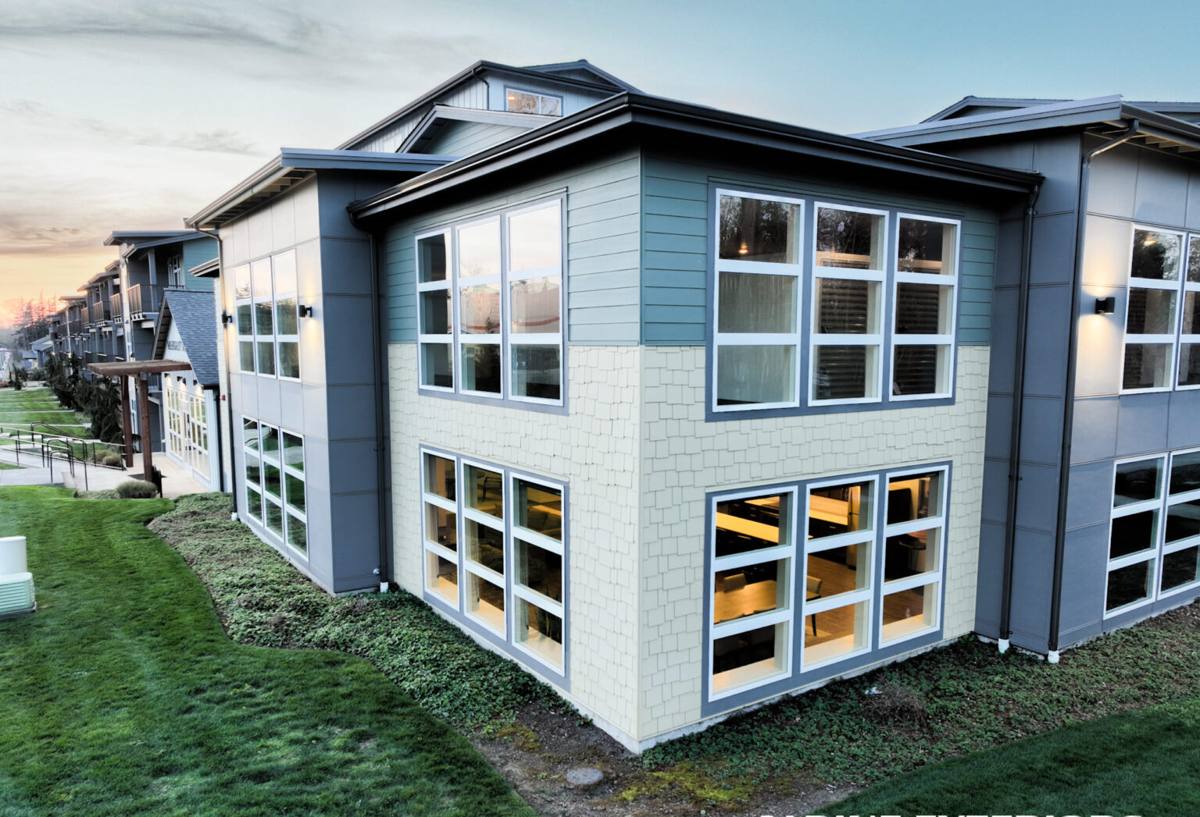
What Fairhaven's Climate Does to Siding Over Time
Salt Air and Coastal Moisture
Homes within reach of the bay's salt spray see accelerated corrosion on exposed metal — nail heads, flashing edges, and fastener systems that aren't rated for coastal exposure. Salt air also breaks down lower-quality paint finishes faster than inland UV exposure alone would, leading to chalking, fading, and early repaint cycles.
Driving Rain and Wind-Driven Water
Chuckanut's terrain and proximity to open water mean wind-driven rain hits walls at an angle, not just straight down. That matters because siding systems rely on lapped drainage — water has to be directed down and out, not pushed sideways into seams, joints, and penetrations. A house that looks fine in a light drizzle can still leak in a sideways storm if the drainage plane behind the siding wasn't built correctly.
Moss, Shade, and Slow-Drying Walls
Fairhaven's tree cover and marine humidity extend the moss season well beyond what most of Whatcom County deals with. Moss doesn't just grow on roofs — it establishes on north-facing siding, in trim joints, and anywhere a wall stays damp too long between rains. Over years, sustained moisture behind or under siding is what causes rot, delamination, and paint failure, regardless of what the siding is made of.
Why We Install James Hardie Fiber Cement, and Nothing Else
We standardized on James Hardie fiber cement siding for every home we work on, including Fairhaven. It's a non-combustible material that doesn't absorb water the way wood-based products do, and it's engineered specifically for wet coastal climates through Hardie's HZ10 product line, which is built for exactly the moisture and humidity conditions Fairhaven sees. We don't install vinyl, LP SmartSide, cedar, primed spruce, Cemplank, or Allura — not because those products have no merit, but because we've made a professional decision to stand behind one system we can install, warranty, and maintain consistently rather than spread our expertise across several.
Fiber cement's density also matters in a place like Fairhaven: it resists moisture intrusion at cut edges and fastener penetrations far better than wood-based composites, and it holds paint and factory finish longer under salt air and UV exposure than vinyl, which can warp, fade unevenly, or become brittle over time in coastal wind conditions.
What a Correct Siding Installation Actually Involves
The siding itself is only part of the system. Most siding failures we see on coastal homes trace back to what's underneath the boards, not the boards themselves. A correct installation for a Fairhaven home includes:
- A weather-resistive barrier (house wrap) installed and lapped correctly, shingle-style, so water sheds outward at every seam
- Rainscreen or furring strips where conditions call for it, creating an air gap that lets the wall dry out between rain events instead of staying saturated
- Properly flashed windows, doors, and penetrations — the single most common source of hidden leaks on any home
- Corrosion-resistant fasteners rated for coastal or high-moisture exposure, not standard-grade nails that will rust and stain over time
- Correct clearance between the bottom of the siding and grade, decks, or roof lines, so moss and standing moisture don't have direct contact with the material
- Factory-applied ColorPlus finish rather than field-painted siding, which holds up longer against salt air and UV than site-applied paint
Skip any one of these and the siding can look fine for a few years while moisture quietly does damage behind it — which is exactly the failure pattern coastal homes are prone to.
Our Installation Process for Fairhaven Homes
1. On-Site Assessment
We walk the home and look specifically at the conditions that matter here: shade exposure and moss risk, wind exposure to the bay, existing drainage problems, and any areas where past moisture damage is visible at trim, corners, or penetrations.
2. Tear-Off and Substrate Check
We remove existing siding and inspect the sheathing underneath for rot or hidden moisture damage before anything new goes on. Covering up a damaged substrate is one of the most common shortcuts in this trade, and it's one we don't take.
3. Weather Barrier and Drainage Plane
House wrap goes on with correct laps and taping, and we install a rainscreen gap where the home's exposure calls for it — this is often the difference between a wall that dries out and one that stays damp through Fairhaven's wetter months.
4. Flashing and Trim Detail
Every window, door, and penetration gets flashed before siding goes over it. This is slow work and it's the step most likely to get rushed on a lower-bid job — it's also the step that determines whether the house leaks in five years.
5. Hardie Installation to Manufacturer Spec
Boards are cut, fastened, and gapped according to James Hardie's published installation requirements, using corrosion-resistant fasteners appropriate for this climate.
6. Final Inspection and Cleanup
We walk the finished job against the original assessment, confirm caulking and trim details are complete, and clean the site.
Cost Factors for a Fairhaven Siding Installation
Every home is different, but the factors that move the price on a Fairhaven job tend to be the same handful of things:
| Factor | Why It Matters Here |
|---|---|
| Substrate condition | Hidden rot from past moisture intrusion adds repair scope before new siding can go on |
| Rainscreen/furring | Homes with heavy shade or direct bay exposure often need an added drainage gap |
| Home height and access | Multi-story or steep-lot homes near Chuckanut's terrain require more scaffolding and time |
| Trim and detail complexity | More corners, windows, and rooflines mean more flashing work per square foot |
| Siding profile chosen | Lap, shingle, and panel Hardie profiles carry different material and labor costs |
We give a firm, itemized quote after the on-site assessment rather than a rough phone estimate, because the substrate condition and drainage needs vary too much house to house to guess accurately in advance.
Why Hiring a Crew That Already Works Fairhaven Matters
A crew that installs siding across dry inland areas most of the year and only occasionally works near the water can miss details that matter here — under-specifying fastener corrosion resistance, skipping a rainscreen on a shaded north wall, or not recognizing early moss staining as a drainage warning sign rather than just a cleaning issue. A crew that regularly works Fairhaven and the surrounding Chuckanut area already knows which walls need extra drainage detail, which exposures need corrosion-rated hardware as standard rather than upgrade, and what moisture damage looks like at year three versus year ten in this specific environment.
That familiarity shows up less in the sales pitch and more in the small decisions made on site — where to add a rainscreen without being asked, which corners get extra flashing attention, and which fastener spec to default to without treating it as an upsell.
Signs Your Fairhaven Home May Need New Siding
- Persistent moss or dark streaking on shaded walls that returns shortly after cleaning
- Soft spots, bubbling paint, or visible warping near the base of exterior walls
- Cracked or separating caulk joints at trim, windows, or corners
- Rust staining running down from fasteners or metal flashing
- Visible gaps or buckling in lap siding, especially on the side of the house facing prevailing wind and rain
Any one of these can be cosmetic on its own, but together — or if they're showing up earlier than expected for the home's age — they're usually a sign the siding system isn't managing moisture the way it should.
If you're seeing any of these signs on a Fairhaven home, or you're planning ahead for a siding replacement, we're happy to walk the property and give you a straight, no-pressure assessment of what's actually going on and what correct James Hardie installation would involve. Use the form below to request a free estimate.