 Chuckanut
 Roof Repair Built for the Silver Beach Area
Homes in the Silver Beach area of Chuckanut sit in one of the tougher spots in Whatcom County for a roof to hold up. You've got salt-laden air moving in off the water, driving rain that comes in sideways more often than straight down, and a moss season that seems to stretch a little longer every year. Roof repair here isn't the same job as roof repair twenty minutes inland — the failure points are different, and a crew that doesn't work this specific area regularly will miss things a local crew catches on the first walk-around.
This page covers what roof repair actually means for a Silver Beach home: what the climate does to different roofing materials, what a correct repair looks like versus a patch that fails in a year, and how we approach the work when we're called out to a house in this neighborhood.
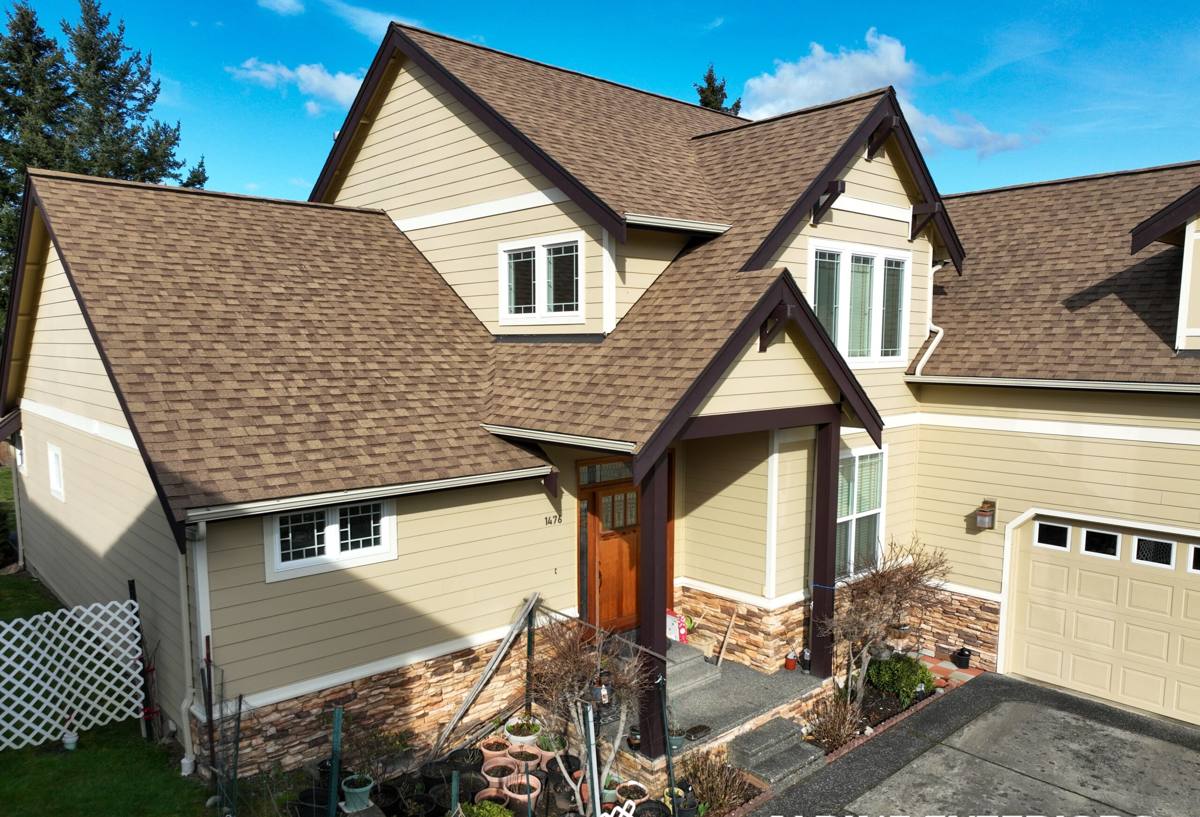
What the Silver Beach Climate Does to a Roof
Salt Air and Metal Fatigue
Salt air accelerates corrosion on anything metal on your roof — flashing, fasteners, gutter hardware, and exposed nail heads. Standard galvanized fasteners that would last decades further inland can start showing rust streaks and pinholing well ahead of schedule near the water. When we're repairing a section of roof in this area, we're checking every piece of exposed metal, not just the shingles, because a rusted-through flashing detail is often the actual source of a leak that homeowners assumed was a shingle problem.
Driving Rain and Wind-Driven Water
Chuckanut's weather patterns push rain sideways during storms more often than a lot of homeowners expect. That matters for roof repair because sideways-driving rain finds its way under shingle tabs, around vent boots, and behind step flashing that would stay perfectly dry in a straight-down rain. A repair that only addresses the visible damage and ignores how wind-driven water actually moves across a roof plane tends to leak again at the next storm.
Moss and Moisture Retention
The long, damp moss season in Whatcom County means organic growth gets a real foothold on north-facing slopes and anywhere shade keeps a roof from drying out between rains. Moss isn't just cosmetic — it holds moisture against the roofing material, lifts shingle edges as it grows, and works its way into fastener penetrations. A roof that looks fine from the ground can have moss-related damage that's only visible up close.
Signs a Silver Beach Roof Needs Repair
- Granule buildup in gutters or at downspout outlets — a sign shingles are wearing faster than normal
- Dark streaking or green-black growth concentrated on shaded or north-facing slopes
- Rust staining around vent pipes, flashing, or exposed fasteners
- Soft spots or slight sagging when walked, especially near valleys or chimneys
- Water stains on interior ceilings that appear or worsen after wind-driven storms specifically
- Lifted or curling shingle edges, particularly where moss has been present
- Daylight visible through the roof deck from inside an attic or crawlspace
Any one of these on its own might be minor. Two or three together, especially in a home that's been through a few Whatcom County winters without a roof inspection, usually means it's time to have someone look before a small problem becomes a full section replacement.
What a Correct Repair Actually Involves
A roof repair that holds up in this climate isn't just swapping out a few damaged shingles. It's a sequence, and skipping steps is exactly how a repair fails within a season or two.
1. Find the Real Source
Water travels before it shows up as a stain. We trace the leak back to its actual entry point rather than patching wherever the ceiling stain happens to be — those two locations are frequently several feet apart, especially on a roof with any valley or dormer complexity.
2. Assess the Deck
Once shingles are pulled back, we check the roof deck underneath for soft spots, rot, or delamination. In a damp, salt-air environment, deck damage can extend further than the visible leak suggests. Replacing shingles over a compromised deck is a temporary fix at best.
3. Address Flashing and Fasteners, Not Just Shingles
Given how much of the failure risk here comes from corroded or improperly sealed metal, we replace compromised flashing and fasteners as part of the repair rather than leaving them in place because "the shingles are the visible problem."
4. Match the Existing Roof
Repairs should blend with the surrounding roofing material in both product and, where possible, weathered appearance. A patch that's obviously a different shade or profile isn't just a cosmetic issue — mismatched materials can also age and shed water differently than the surrounding field.
5. Clean Up Moss and Debris Before Closing the Job
We clear moss and organic debris from the repair area and surrounding roof plane before finishing, since leaving it in place undermines the repair almost immediately.
Repair vs. Full Roof Replacement
Not every issue calls for a full roof replacement, and not every repair is the right long-term answer. The table below outlines the general factors we weigh when advising a Silver Beach homeowner one way or the other.
| Factor | Favors Repair | Favors Replacement |
|---|---|---|
| Roof age | Roof is under roughly two-thirds of its expected lifespan | Roof is near or past its expected service life |
| Damage extent | Isolated to one section, flashing detail, or penetration | Widespread across multiple slopes or recurring in different spots |
| Deck condition | Deck is sound where exposed | Rot or soft decking found in multiple areas |
| Leak history | First occurrence or clearly isolated cause | Repeated leaks in different locations over recent years |
| Material availability | Matching material is still reasonably available | Original product is discontinued and mismatched patches will be obvious |
We'll give you a straight answer on which category your roof falls into. There's no benefit to us talking a homeowner into a full replacement when a proper repair will genuinely hold — and there's no benefit to patching a roof that's going to keep generating service calls every wet season.
Why a Local Silver Beach Crew Matters
A contractor who regularly works roofs in this specific part of Chuckanut has already seen how this microclimate behaves on real houses — which slopes hold moss longest, which flashing details tend to corrode first, and how wind off the water tends to drive rain into a roof compared to a more sheltered inland lot. That's not something you can fully substitute with a generic checklist. It shows up in what gets inspected first, what gets flagged as a future problem even if it isn't leaking yet, and what materials and fastener choices actually make sense for the exposure here.
It also matters for response time. Roof leaks in Whatcom County rarely announce themselves during good weather — they show up mid-storm, when getting a crew out quickly to stop active water intrusion matters more than almost anything else about the job.
Materials We Use for Repairs in This Climate
For salt-air, high-moisture environments like Silver Beach, we lean toward corrosion-resistant fasteners and flashing, and we're selective about underlayment quality even for a repair, not just a full roof. Where a homeowner's existing roof uses a product with a track record of holding up poorly against sustained moisture exposure and moss growth, we'll say so honestly and explain the trade-off — this is a matter of matching the right material to this specific exposure, not a knock on any manufacturer. The goal is a repair that's still holding at the next moss season, not just the next dry spell.
Our Repair Process, Start to Finish
- Initial inspection of the roof and attic space, including areas beyond the reported leak location
- Straightforward explanation of what we found, in plain language, with photos where useful
- A written estimate covering the repair scope — no vague line items
- Scheduled repair work, weather permitting, with the area protected in the meantime if there's active water intrusion
- Final walkthrough so you know exactly what was done and what to watch going forward
We don't upsell repairs into replacements to pad a job, and we don't quietly do the bare minimum either. You'll get an honest read on your roof's actual condition and a repair that's sized to the real problem.
Maintaining a Repaired Roof in Silver Beach Going Forward
A good repair buys you time, but the same climate factors that caused the original issue don't go away. Periodic moss treatment, clear gutters heading into the wet season, and a occasional visual check of flashing and vent boots go a long way toward making sure a repair stays a repair and doesn't turn into a recurring service call. If you're not comfortable getting on the roof yourself, that's a reasonable thing to have checked as part of routine maintenance rather than waiting for the next leak to show up.
If you're dealing with a leak, moss buildup, or storm damage on a Silver Beach roof, we're happy to take a look and give you a straight answer — no pressure, no upsell. Use the form below to request a free estimate and we'll get back to you to schedule a time that works.