 Chuckanut
 Roof Repair Built for South Hill's Climate
Homes on South Hill deal with a specific combination of weather that most roofing crews never have to think hard about. You're close enough to the water to get salt-laden air working on your flashing and fasteners, exposed enough to catch driving rain off Puget Sound and the Strait, and shaded enough by mature Pacific Northwest tree cover to grow a healthy crop of moss for most of the year. None of that is unusual for Whatcom County. But it does mean a roof repair done the way it's done in a drier inland climate won't hold up here, and a patch job that looks fine in August can be leaking by January.
We repair roofs in South Hill because we already work in the neighborhood — not as a stop on the way to somewhere else. That matters more than it sounds like it should, and we'll get into why later in this page. First, let's talk about what actually goes wrong with roofs up here, and what a repair needs to include to actually fix it.
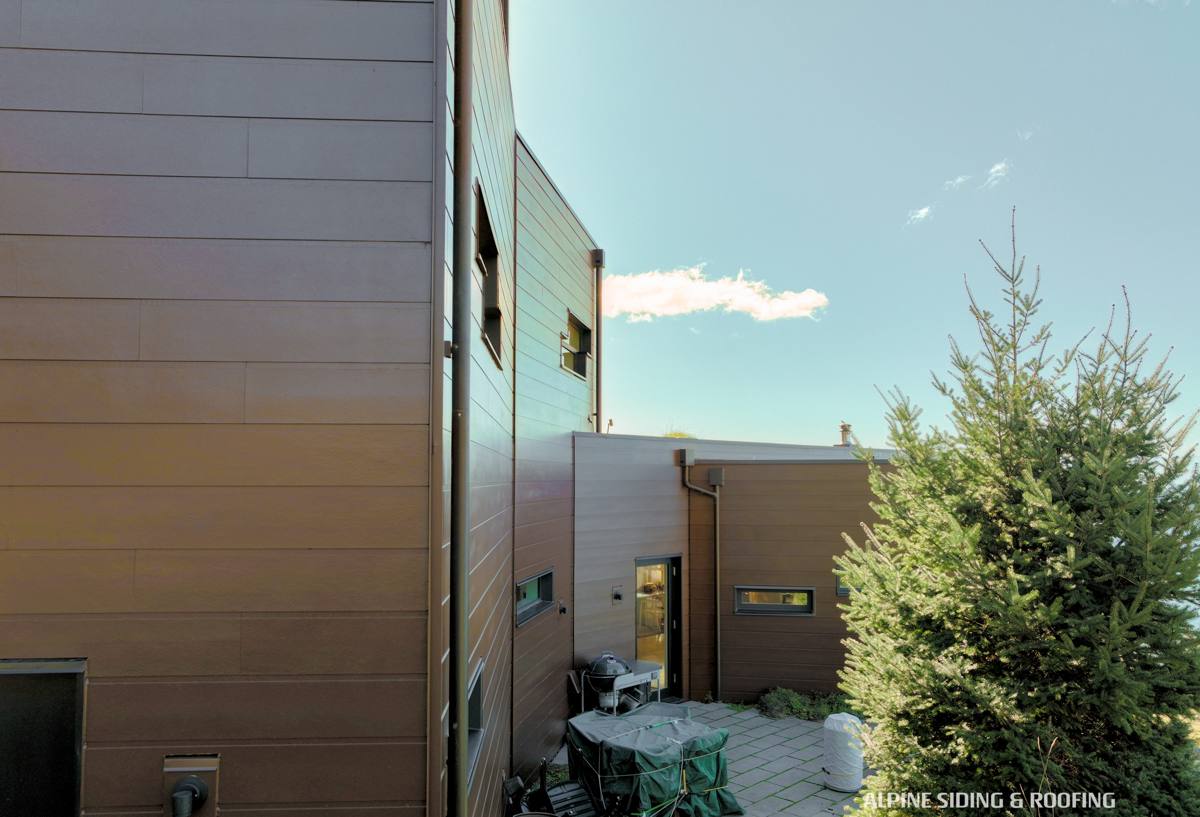
What Actually Damages Roofs in This Part of Chuckanut
Moss and Organic Growth
Moss is the most visible problem and often gets blamed for damage it didn't directly cause, but it's rarely harmless. Moss holds moisture against the roofing surface long after the rest of the roof has dried out, and on shingle roofs it works its way under tabs and lifts them over a season or two. On roofs with any north-facing slope or heavy tree cover — common on South Hill's wooded lots — moss can establish itself within a couple of years of a roof being cleaned.
Driving Rain and Wind-Driven Water
Straight-down rain is easy for any roof to shed. Wind-driven rain, which South Hill gets regularly off exposed westerly and southwesterly weather systems, pushes water sideways and upward under shingle edges, around vent boots, and into any flashing that's slightly open or under-lapped. A lot of the leaks we get called for aren't roof-wide failures — they're one compromised flashing detail letting water in during a specific wind direction.
Salt Air and Metal Corrosion
Even a few miles inland from open water, airborne salt accelerates corrosion on exposed metal — nail heads, flashing, gutter fasteners, and metal roofing panels. Galvanized materials that would last decades in a dry inland climate can start showing rust streaks and pitting well ahead of schedule near the coast. This is one of the most overlooked causes of slow, hard-to-trace roof leaks.
Freeze-Thaw and Ice Damming
Whatcom County doesn't get the deep winters of the Cascades, but South Hill does see enough cold snaps and freeze-thaw cycling to open up cracks in aging roofing cement, stress fastener holes, and occasionally cause minor ice damming at eaves and valleys during cold, wet stretches. It's not the dominant threat here, but it compounds damage that's already started from moisture and moss.
Signs Your Roof Needs a Repair Right Now
Most roof problems give warning signs well before they turn into interior damage. Here's what we tell South Hill homeowners to watch for between inspections:
- Granules collecting in gutters or at the base of downspouts
- Shingles that look curled, cupped, or lifted at the edges
- Dark streaking or thick moss growth, especially on shaded slopes
- Water stains on interior ceilings, particularly near chimneys, skylights, or wall intersections
- Visible rust or discoloration around flashing, vents, or metal roofing seams
- Soft or spongy spots when walking a low-slope or flat section
- Daylight visible through the roof deck from inside an attic
- Sagging in the roofline or noticeable dips between rafters
Any one of these on its own doesn't necessarily mean a major repair. But left alone through another wet season, most of them turn into one.
Repair vs. Replacement: How We Make the Call
Not every roof problem on South Hill needs a full replacement, and we won't tell you it does. But there's a point where repeated patching stops making financial sense. Here's roughly how we think through it:
| Factor | Leans Toward Repair | Leans Toward Replacement |
|---|---|---|
| Roof age | Under 15-20 years (material dependent) | Near or past manufacturer lifespan |
| Damage extent | Localized — one slope, one flashing detail, one leak | Widespread granule loss, multiple leak points |
| Decking condition | Solid, no rot found on inspection | Soft, delaminated, or water-damaged decking |
| Moss history | First significant growth, roof otherwise sound | Repeated moss damage over several seasons |
| Prior repairs | Roof hasn't needed frequent patching | Multiple past repairs, recurring leaks |
We'll walk the roof, tell you honestly which category it falls into, and explain our reasoning — not just hand you a number.
What a Correct Roof Repair Actually Involves
A lot of roof repairs fail not because the wrong materials were used, but because the repair only addressed the symptom. A proper repair on a South Hill home generally includes:
1. Finding the Actual Source
Water travels before it shows up as a stain. A leak that appears over a bedroom might originate several feet away at a valley, chimney flashing, or a nail pop uphill from the visible damage. We trace the path, not just the drip point, before opening anything up.
2. Checking the Decking
Any repair area with signs of prolonged moisture exposure gets checked for soft or rotted decking underneath. Patching shingles over compromised decking is a short-term fix that fails again within a season or two — we replace damaged decking as part of the repair, not as a surprise change order later.
3. Correcting Flashing, Not Just Sealing It
A lot of "repairs" we see from other work amount to a bead of roofing cement over failed flashing. Cement is a stopgap, not a fix — it degrades with UV exposure and temperature cycling and typically needs redoing within a year or two. A correct repair re-laps or replaces the flashing itself so water sheds properly again.
4. Matching Materials Where It Matters
On shingle roofs, we match the existing shingle profile, color, and weight as closely as the current market allows, since shingle lines get discontinued and updated over time. On metal and low-slope sections, we use fasteners and flashing rated for coastal, higher-corrosion environments rather than standard galvanized hardware.
5. Cleaning Before Closing Up
Moss, debris, and organic buildup get cleared from the repair area and surrounding roof before anything is resealed. Sealing moisture and debris in under a patch just relocates the problem.
Our Process, Start to Finish
- Inspection. We walk the roof (or use a lift/camera where pitch or access makes that unsafe) and check the attic from inside where possible, since interior signs often tell us more than the exterior does.
- Honest assessment. We explain what we found, what's causing it, and whether repair or replacement makes more sense — including if the honest answer is "this can wait."
- Written estimate. A clear scope of work and price before anything starts, no vague allowances.
- The repair. Decking, flashing, and roofing material addressed together, not just the visible surface.
- Cleanup and gutter check. Debris removed, gutters checked for granule buildup or blockage caused by the original damage.
- Walkthrough. We show you what was done and what to watch for going forward.
Materials and Why We Choose What We Choose
For patch and repair work, we generally match your existing roofing material rather than introducing a different product into one section, since mismatched materials age at different rates and can create new failure points at the seams. On roofs old enough that exact matches are no longer manufactured, we'll walk you through the closest available options and be upfront about any visible difference.
For fasteners and flashing specifically, we favor corrosion-resistant hardware over standard galvanized in South Hill's salt-air exposure. It costs a bit more up front, but replacing rusted flashing fasteners twice in a decade costs more in the long run — and repeated flashing failure is one of the more common causes of slow leaks we get called out for.
Maintenance That Extends the Life of a Repair
A repair is only as good as the roof around it. Between service visits, a few habits go a long way in this climate:
- Clear moss buildup before it spreads across a full slope, not after
- Keep gutters and downspouts clear so water isn't backing up under the eaves
- Trim back overhanging branches to cut down on shade, debris, and moss-friendly conditions
- Have flashing around chimneys, skylights, and vents checked every couple of years, since these are the most common leak points
- Address small leaks early — a repair on a localized issue is almost always cheaper than the water damage that follows if it's ignored
Why It Matters That We Already Work in South Hill
A roof repair crew that only shows up in your neighborhood once knows less about your roof than one that's already there regularly. Working South Hill roofs consistently means we know how this specific stretch of Whatcom County's coastal weather behaves — where moss builds up fastest, which roof orientations take the worst of the driving rain, and how quickly salt air chews through unprotected metal here compared to further inland. That's not something you can look up; it's something you learn by doing the work, season after season, on roofs like yours.
It also means if something about a repair needs a second look a year down the road, we're not a stranger driving in from out of the area. We're already local.
Get a Straight Answer on Your Roof
If you're seeing moss buildup, a stain on a ceiling, or just haven't had your roof looked at in a few years, it's worth getting an honest read on where things stand before the next wet season sets in. We offer free, no-pressure estimates for South Hill homeowners — use the form below and we'll take a look.