 Chuckanut
 Siding Repair for York Homes in Chuckanut
York sits close enough to the water and the tree line that its siding takes a beating most inland Whatcom County neighborhoods never see. Between salt-laden air, driving rain off the Sound, and a moss season that can stretch from October through May, siding here ages faster than the manufacturer's brochure suggests. When we get called out to a York property, the damage is rarely random — it follows the same handful of patterns tied directly to this stretch of coastline, and knowing those patterns is what separates a repair that lasts from one you'll be paying for again in two years.
This page covers what siding repair actually looks like on a York home: what to check for, what a proper repair involves, how we approach the job, and why we rebuild damaged sections in James Hardie fiber cement rather than patch them with whatever material happens to be on the wall already.
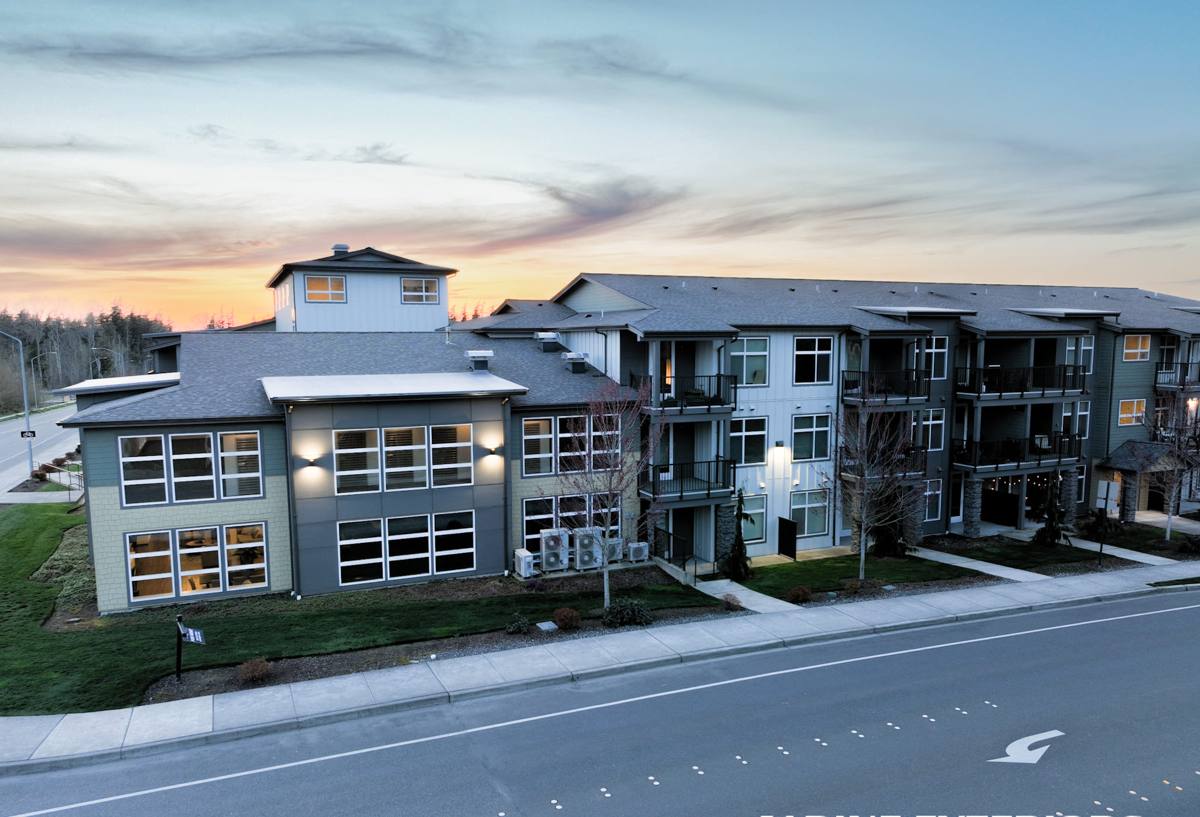
Why York Siding Fails Differently
Every siding material eventually needs repair. What's specific to York is how it fails and how fast.
Salt Air and Fastener Corrosion
Homes closer to the water pick up airborne salt that settles on siding, trim, and — critically — the fasteners holding everything together. Uncoated or under-coated nails and screws corrode from the inside out, which shows up as rust streaking below fastener heads, popped nails, or panels that have loosened at the edges. By the time you see the streak, the fastener has usually already lost a meaningful chunk of its holding strength.
Driving Rain and Wind-Driven Moisture
Chuckanut's storms don't just fall straight down — wind pushes rain sideways into seams, laps, and anywhere flashing was cut corners on. Wood-based and engineered wood sidings absorb that moisture at cut edges and joints, swell, and eventually delaminate or rot from the inside where you can't see it until the siding is soft to the touch.
The Long Moss Season
Moss and algae need shade, moisture, and time — York's tree cover and marine humidity supply all three for most of the year. Moss holds water against the siding surface far longer than open sun-exposed walls would ever allow, which accelerates rot on organic materials and strips the finish faster on anything not factory-sealed. North-facing walls and sections under overhangs or near mature trees are almost always the first to show it.
What a Real Inspection Finds
Before we talk repair, we look at the whole wall system, not just the spot that's visibly damaged. Damage on the surface is often smaller than what's happening behind it.
- Soft or spongy panels — press gently along seams and bottom edges; give usually means moisture has already gotten in
- Rust streaking below fastener heads or at panel edges
- Cupping, bowing, or gaps where panels have pulled away from the wall
- Peeling or chalking paint, especially on south and west exposures
- Moss or dark staining concentrated on shaded or tree-adjacent walls
- Caulk that's cracked, shrunk, or missing at trim joints and butt seams
- Soft trim boards around windows, doors, and corners — often the first place rot shows
If we find soft framing or sheathing behind the siding, that's a separate conversation from a siding repair — we'll tell you plainly if what looks like a siding problem is actually a moisture problem that started somewhere else.
Patch vs. Replace: How We Decide
Not every damaged section needs a full re-side, and not every repair should be a patch. The honest answer depends on the material, the extent of the damage, and how much of the wall is affected.
| Situation | Typical Approach | Why |
|---|---|---|
| Isolated impact damage, sound siding around it | Cut out and replace matching panels | Localized damage doesn't require touching healthy material |
| Moisture damage at one or two seams | Repair section, correct the water path (flashing, caulk, grading) | Fixing the symptom without the cause just brings the repair back |
| Widespread rot or delamination on original wood/engineered siding | Recommend full re-side of affected elevation | Repeated patching on failing material rarely holds value over time |
| Heavy moss with intact siding underneath | Clean, treat, address the moisture source (tree cover, gutters) | The siding may be fine — the environment around it is the problem |
| Old vinyl or aluminum with cracked/faded panels | Case-by-case; often full replacement, since exact panel matches rarely exist | Discontinued colors and profiles make spot repairs visibly obvious |
We'll always tell you the least invasive option that actually solves the problem — but we won't recommend a patch we don't think will hold through another wet season.
Why We Rebuild in James Hardie, Not Mixed Material
A lot of siding repair work in this region involves patching whatever's already on the house — LP SmartSide, cedar, vinyl, primed spruce, whatever the original builder used. We don't do that. When we repair or replace a section, we rebuild it in James Hardie fiber cement, even if it means a small color or texture transition at the repair boundary.
That's a deliberate standard, not an upsell. Here's the reasoning:
- Non-combustible core — fiber cement doesn't feed a fire the way wood-based products can, which matters on a house that will likely need future repairs from the same crew or a different one
- Moisture behavior — Hardie's fiber cement doesn't swell, delaminate, or rot from water absorption the way engineered wood and cedar can, which is the exact failure mode driving most of the repair calls we see in York
- Factory-applied ColorPlus finish — baked-on, not brushed on-site, so a repaired section resists fading and chalking better than a field-painted patch
- Climate-engineered HZ product lines — Hardie manufactures region-specific formulations for wet, marine-influenced climates like ours, rather than a one-size-fits-all panel
- Warranty continuity — patching a failing wood product with more of the same material just resets the clock on the next repair; Hardie's transferable warranty backs the repaired section itself
We won't install LP SmartSide, vinyl, Cemplank, Allura, primed spruce, or cedar on a repair, even as a quick fix. If a homeowner wants to stay with their existing material for cosmetic matching reasons, we'll say so honestly and let them decide — but our crews only put Hardie on a wall.
How Our Repair Process Works
1. Full Wall Assessment
We inspect the damaged area and the surrounding wall system — not just the panel that's visibly failed. This is where we catch moisture paths, failed flashing, or trim issues that caused the damage in the first place.
2. Root Cause, Not Just Symptom
If gutters are dumping water onto a wall, if a downspout is missing an extension, or if tree cover is keeping a section perpetually damp, we'll flag it. Repairing siding without addressing the water source means you're paying for the same repair again.
3. Material-Matched or Rebuilt Section
Where we can match existing Hardie siding cleanly, we do. Where the existing material isn't Hardie, we'll talk through rebuilding that section (or elevation) in fiber cement, with realistic expectations about color transition until a future full re-side.
4. Proper Flashing and Fastening
Every repair gets correct flashing at seams and penetrations and corrosion-resistant fasteners set to manufacturer spec — the two details that determine whether a repair lasts five years or fifteen.
5. Cleanup and Walkthrough
We walk the finished work with you, point out what we did and why, and flag anything else on the exterior worth keeping an eye on.
Why a Crew That Works York Matters
York's exposure — proximity to the water, tree cover, and the general wet-side-of-Whatcom-County weather pattern — isn't unique to one street or one house. Crews who work this area regularly already know which elevations take the worst of the driving rain, where moss builds up fastest, and which original siding materials in this part of the county are most prone to failure. That local pattern recognition shortens the inspection, sharpens the diagnosis, and avoids repairs that look fine in July but fail again by the next wet winter.
Maintaining a Repaired Section
A repair holds up better with a little seasonal attention, especially in a climate like this one.
- Keep gutters and downspouts clear so water isn't dumping directly onto siding or foundation walls
- Trim back branches and vegetation that shade siding and trap moisture against it
- Rinse moss and algae buildup before it thickens, especially on north-facing and shaded walls
- Check caulking at trim and seams annually — it's cheap to redo and expensive to ignore
- Walk the exterior after major storms and note any new soft spots, gaps, or staining early
If you're seeing soft spots, rust streaks, moss buildup, or loose panels on a York home, we're happy to take a look and give you a straight answer about what's actually needed — patch, partial rebuild, or something bigger. Reach out for a free, no-pressure estimate using the form below.