 Chuckanut
 Deck Repair for Blanchard Homes, Built Around What This Climate Actually Does
Blanchard sits along the Chuckanut corridor, close enough to the water and the tree line that decks here take a beating most inland homes never see. Salt-laden air off the bay, long stretches of driving rain, and a moss season that can run half the year all work on wood and fasteners the same way, year after year: quietly, until a board finally gives underfoot. If you own a home in or around Blanchard, deck repair isn't a cosmetic job. It's structural maintenance for a piece of your house that lives outside, in weather that never really lets up.
This page covers what deck repair means specifically for this area — what fails first, what a correct repair actually involves, and how we approach the work when we come out to look at your deck.
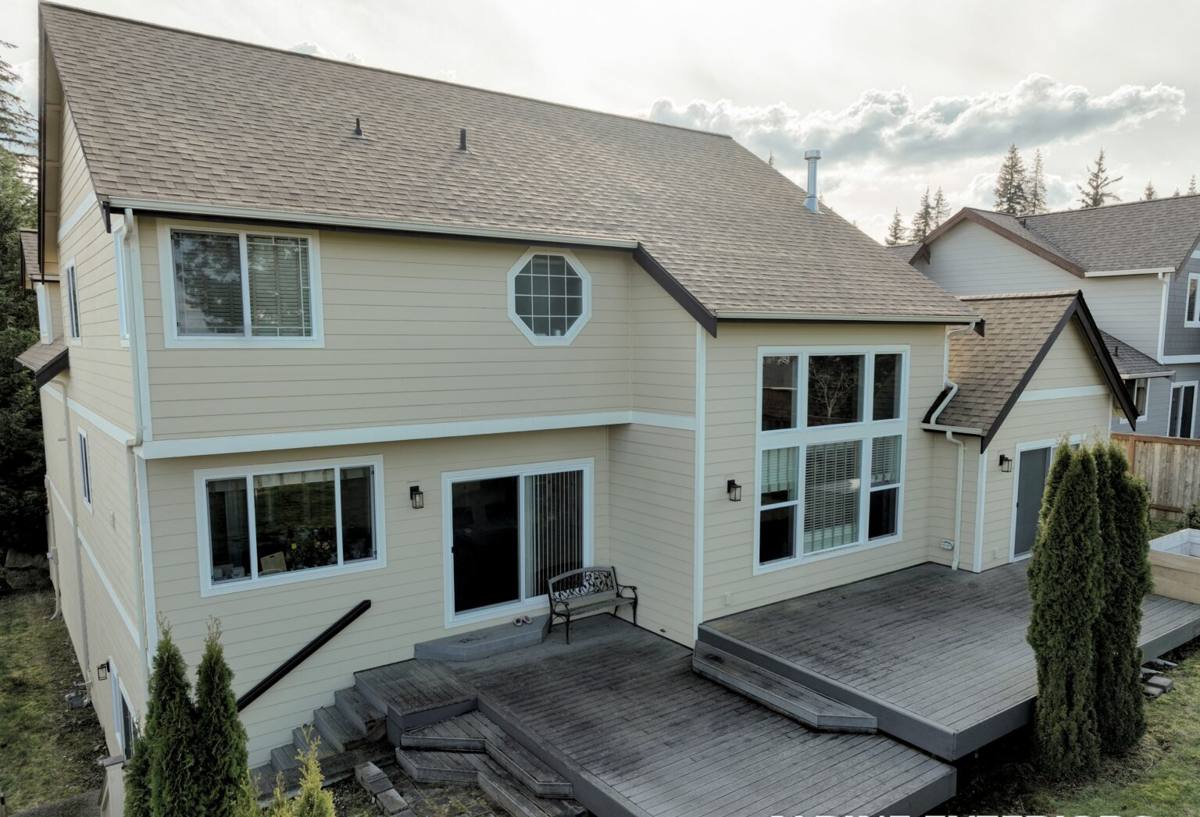
Signs Your Deck Needs Repair, Not Just a Wash
A lot of deck problems in this area hide in plain sight because the surface still looks okay. The damage that matters is usually underneath or where boards meet each other. Before you decide whether a deck needs repair, a rebuild, or just a good cleaning, look for these:
- Soft or spongy spots when you walk across the decking, especially near the house or at board ends
- Fasteners that have backed out, rust-streaked the wood around them, or sheared off
- Gaps opening up between boards, or boards that have cupped or crowned
- Green or black growth that keeps coming back within weeks of cleaning, particularly on the north side or under overhangs
- Any give, bounce, or wobble in the railing when you lean on it
- Water pooling on the surface instead of shedding off the edge
- Staining or dark streaks on the siding or foundation directly below the deck's edge
Any one of these on its own might be minor. Several at once, especially soft decking combined with a wobbly railing, usually means the structure underneath needs attention, not just the surface.
What Blanchard's Weather Does to a Deck
Salt Air
Proximity to the water means a steady, low-level dose of salt in the air, even on days without a storm. Salt is hygroscopic — it pulls moisture out of the air and holds it against whatever it lands on. On a deck, that means fasteners, hardware, and connectors corrode faster than they would a few miles inland, and wood fibers stay damp longer between rains than you'd expect just from looking at the forecast.
Driving Rain
This isn't gentle, vertical rain. Wind off the water pushes rain sideways into ledger connections, under flashing, and into the end grain of boards — the single most absorbent part of any piece of lumber. End grain that isn't sealed or protected will wick water for years, which is why so many deck failures start at board ends and stair stringers rather than the middle of the deck field.
Moss Season
Shade, moisture, and mild temperatures are exactly what moss and algae want, and Blanchard's tree cover and marine humidity deliver all three for most of the year. Moss doesn't just look bad — it holds water against the wood surface and keeps boards from drying out between rain events, which accelerates rot underneath a layer that looks green and harmless from a distance.
What a Correct Deck Repair Actually Involves
A repair that only replaces what's visible from the top often misses the parts of the deck doing the real structural work. We check these areas on every repair call, whether the homeowner asked about them or not:
Ledger Board and House Connection
The ledger is where the deck attaches to your house, and it's the single most important structural connection on the whole deck. Water intrusion here — often from missing or failed flashing — can rot both the ledger and the rim joist behind your siding. This is also where a lot of older decks were under-fastened by code standards that have since tightened up.
Framing: Joists, Beams, and Posts
Surface boards can look fine over a joist that's rotted from underneath. We check joist ends, post bases (especially where posts meet concrete footings and hold standing water), and beam connections for soft wood, rust bleed, and movement.
Fasteners and Hardware
In a salt-air environment, fastener choice matters more than almost anywhere else in the build. Repairs done with the wrong grade of screw or a mismatched connector can fail again within a couple of seasons, even if the woodwork itself was done well.
Decking Boards and Railings
Individual board replacement, re-securing loose boards, and railing repair are usually the most visible part of the job, but they're the last step — not the first — once the structure underneath is confirmed sound.
Drainage and Airflow
A deck that can't shed water and dry out between storms will keep failing no matter how many boards you replace. Part of a correct repair is making sure water has somewhere to go and air can move underneath the deck.
Repair Materials: What Holds Up in This Climate
What we use to repair a section of deck depends on what's already there, your budget, and how much longer you want the deck to last. Here's how the common options compare for a Blanchard-area repair:
| Material | Moisture & Salt Air Resistance | Moss/Algae Behavior | Maintenance | Best Use in a Repair |
|---|---|---|---|---|
| Pressure-treated lumber | Good when properly sealed; end grain still needs attention | Prone to growth without regular cleaning | Needs re-sealing every 1-3 years | Matching existing PT framing or decking cost-effectively |
| Cedar | Naturally decay-resistant but softer; benefits from sealing | Resists rot longer but still grows moss if shaded and wet | Periodic cleaning and oil/sealer | Matching an existing cedar deck's appearance and feel |
| Composite decking | Very good; doesn't absorb water like wood | Can still grow surface algae; cleans off easier | Occasional washing, no sealing | Board replacement where long-term, low-upkeep repair is the goal |
| Stainless or coated structural hardware | Best available corrosion resistance | Not applicable | None | Any repair touching ledger, joists, or posts near the water |
We don't push composite decking as a universal fix — on some homes, matching the existing wood is the right call for appearance and cost, and we'll say so plainly. Where we don't compromise is on the hardware: in this specific climate, using standard-grade fasteners on a structural repair is a false economy, because the labor to fix it again costs more than the better fastener would have up front.
Our Deck Repair Process
1. On-Site Inspection
We walk the whole deck, not just the spot you called about. Soft decking is often a symptom of a framing or drainage issue a few feet away, and we'd rather find that on the first visit than the second.
2. Straight Assessment
We tell you what's structural, what's cosmetic, and what's borderline — including if a full section or the whole deck makes more sense than a patch repair. You get an honest read before any work starts, not an upsell.
3. The Repair
We address the cause before the symptom: flashing and connections first, then framing, then decking and railings. Fasteners and hardware are matched to the exposure, not just to what's cheapest or already on the truck.
4. Protecting the Work
Where it applies, that means sealing end grain, confirming drainage and airflow underneath the deck, and giving you a realistic maintenance schedule for this climate — not a generic one pulled from a product label written for a drier region.
Repair vs. Replace: What Actually Drives the Decision
| Factor | Leans Toward Repair | Leans Toward Replacement |
|---|---|---|
| Framing condition | Joists and ledger are sound; problem is isolated | Rot found in multiple joists, the ledger, or several posts |
| Age of the deck | Newer deck with a localized issue | Older deck already near the end of its expected service life |
| Extent of damage | Damage limited to a few boards or one area | Damage spread across the deck field or recurring in multiple spots |
| Code compliance | Existing structure already meets current fastening and railing standards | Structure predates current standards and would need major rework to bring up to code anyway |
| Your plans for the home | You want to preserve the existing size, layout, and material | You've been wanting a different footprint, material, or layout |
Most of the deck calls we get in the Blanchard area end up being repairable, because problems here tend to show up as isolated wet spots — a ledger connection, a shaded corner, a stair stringer — rather than uniform failure across the whole structure. But we won't recommend a repair on a deck where the framing is compromised in multiple places just to avoid a harder conversation.
Between-Visit Maintenance Checklist
A repaired deck lasts longer in this climate with a little regular attention. This is the same checklist we hand homeowners after a repair:
- Sweep debris and fallen needles/leaves off the deck regularly, especially in fall — trapped debris holds moisture against the boards
- Rinse or lightly scrub moss and algae off the surface before it establishes, rather than after it's thick
- Check that gaps between boards stay clear so water can drain through instead of pooling
- Look under the deck once or twice a year for standing water, staining, or soft framing
- Re-seal exposed wood end grain and cut edges on the schedule appropriate for the material
- Keep gutters and downspouts near the deck clear so roof runoff isn't dumping extra water onto it
- Tighten or flag any fasteners that start backing out before they become a tripping hazard
Why a Crew That Already Works in Blanchard Makes a Difference
Deck repair isn't unique to this area in the abstract — the same failure points exist everywhere decks meet weather. What's different is which failure points show up first and how fast. A crew that repairs decks across Whatcom County and the Chuckanut corridor on a regular basis has already seen which fastener grades hold up here, which shaded corners of a Blanchard lot grow moss fastest, and which older decks in this area were built to standards that have since changed. That's the kind of judgment that only comes from doing this work locally and repeatedly — not from a general contractor's checklist written for a different climate.
If you're noticing soft spots, a wobbly railing, or moss that keeps coming back no matter how often you clean it, we're happy to come take a look. We'll give you a straight read on what's going on and a free, no-pressure estimate for fixing it — no obligation either way.