 Chuckanut
 Siding Installation in Blanchard: Built for This Stretch of Coast
Blanchard sits along the same coastal corridor we work out of in Chuckanut, tucked against wooded hillsides not far from Samish Bay and the water views that make Chuckanut Drive one of the more scenic drives in the state. That setting is part of why people build and stay here — and it's also exactly what makes a siding installation job here different from one on a dry inland lot. Homes along this stretch deal with salt-tinged marine air, storms that drive rain sideways into walls instead of straight down, and a moss season that can run most of the year on shaded, tree-covered lots. A siding installation that isn't planned around that combination tends to show it within a few wet seasons, not a few decades.
We install siding throughout the Chuckanut area, and Blanchard is regular territory for us — not a stretch assignment we take once and never come back to. On siding specifically, we install James Hardie fiber cement exclusively. This page walks through what this climate demands from a siding installation, what a correct job actually involves, and how our process runs on a Blanchard property.
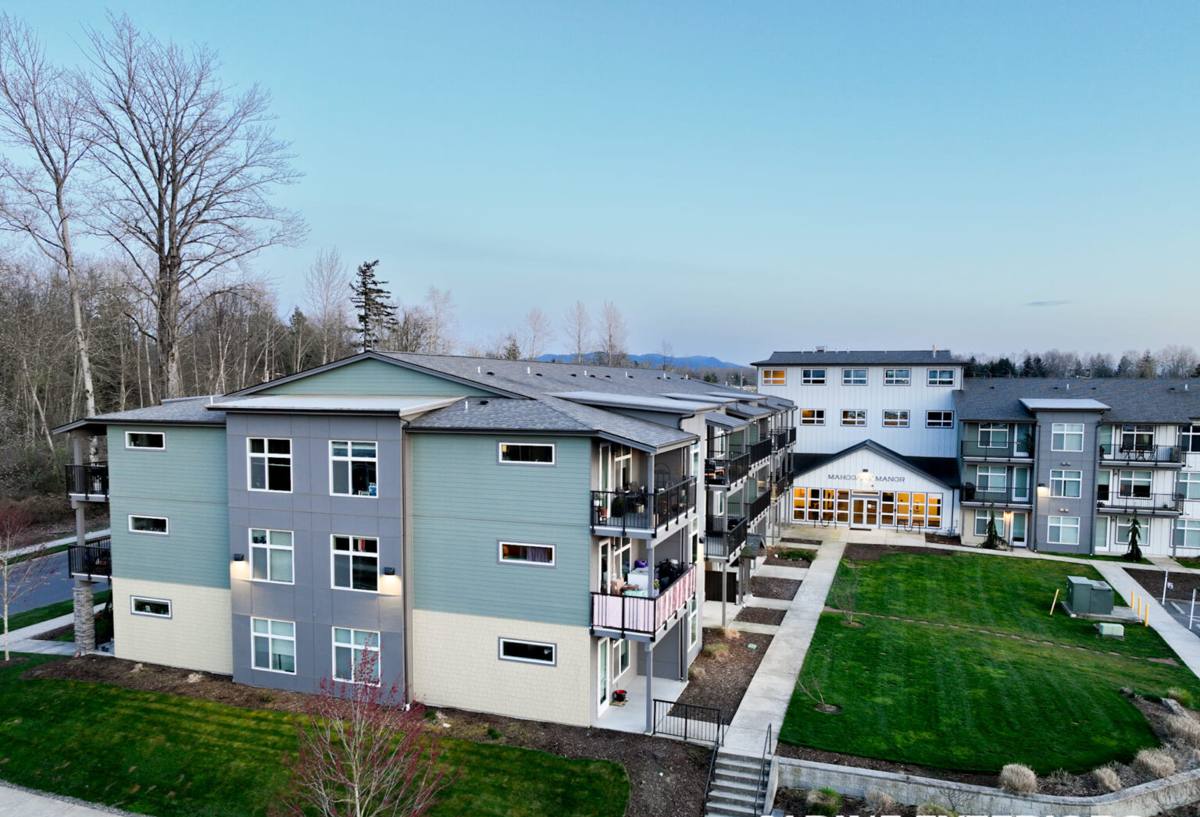
What Salt Air, Driving Rain, and a Long Moss Season Do to Siding Here
Salt Air and Corrosion
Proximity to the bay means Blanchard homes take in salt-laden air more directly than towns set further back from the water. Over years, that air works on fasteners, flashing, and lower-grade trim hardware, speeding corrosion in ways that aren't obvious at first. It's a slow process — by the time you notice rust streaking down a wall or trim starting to loosen, the underlying damage has usually been building for a while.
Wind-Driven Rain
Storms moving through this part of the coast rarely just fall straight down. Wind pushes rain sideways into wall assemblies, window flashing, and every seam where two building elements meet. A siding system and installation detail set built for calm, straight-down rainfall can still fail here if the water-resistive barrier and flashing underneath weren't built with wind-driven moisture in mind. That distinction — not the siding material alone — is usually what separates an installation that holds up for decades from one that starts leaking behind the cladding within a few winters.
A Moss Season That Doesn't Take a Break
Cool temperatures, high humidity, and heavy tree cover on many Blanchard lots add up to a moss and algae season that runs close to year-round on shaded, north-facing walls and rooflines. Moss isn't just a cosmetic problem — it holds moisture directly against whatever it's growing on, and sustained dampness against a moisture-sensitive surface is exactly what leads to soft spots and hidden rot over time.
What a Correct Siding Installation Involves
Checking the Substrate Before Anything New Goes Up
Once old siding comes off, or before new siding goes on a fresh build, the sheathing underneath has to be checked for rot, soft spots, or trapped moisture. Installing new siding over damaged sheathing just seals a problem behind the wall where it keeps getting worse, unseen. On a coastal lot like this, where moisture is already working overtime, that step isn't optional — it's the difference between a fix and a problem deferred a few years down the road.
Water Management, Flashing, and Fasteners
Most siding failures we see in this area trace back to water getting behind the cladding, not through it. That makes the house wrap, window and door flashing, and every wall penetration the part of the job that's easiest to rush and hardest to inspect once the new siding is up — which is exactly why we treat it as the most important step rather than an afterthought. Fastener choice and placement matter too: corrosion-resistant fasteners set to the manufacturer's spacing pattern hold up against this climate's salt air and moisture in a way that generic hardware doesn't.
Clearance and Finish Detailing
Keeping the siding's bottom edge clear of grade, decks, and hardscape prevents splash-back and standing moisture from attacking the lowest, most vulnerable courses first. And because James Hardie's ColorPlus finish is factory-applied and cured under controlled conditions, any touch-up at cut edges gets done with Hardie's matched touch-up product rather than field-mixed paint — keeping the finish consistent at exactly the joints most exposed to weather.
Why We Install Only James Hardie Fiber Cement Here
We made a deliberate decision to install one siding system rather than offer a menu of brands and materials. Spreading a crew across several products means shallower expertise in each one; concentrating on a single system means we install it to a consistently high standard, every time, on every Blanchard property we work. James Hardie fiber cement holds up to sustained moisture exposure without the swelling, softening, or edge damage that wood-based and some engineered products can show over time, and it's non-combustible regardless of what climate a home sits in.
| Product | Common trade-off in this climate |
|---|---|
| Vinyl siding | Can warp or become brittle under UV exposure and temperature swings; panel seams give wind-driven rain a path in |
| LP SmartSide / engineered wood | Wood-strand core is more moisture-sensitive at cut edges and fastener points than fiber cement |
| Primed spruce or cedar | Needs an ongoing paint and moisture-maintenance schedule to avoid rot — a real cost over time that's easy to underestimate upfront |
| Other fiber cement brands | May not offer a climate-specific HZ-style formulation or the same factory-finish warranty depth as James Hardie |
None of that means those products can't be installed well somewhere — it means they're trade-offs we're not willing to install and then stand behind in a climate that gives a wall this much sustained moisture, salt exposure, and shade. Hardie's HZ5 formulation is engineered specifically for regions dealing with heavy moisture and freeze-thaw cycling rather than desert heat or hurricane wind, which is a close match for what a Blanchard home actually faces.
James Hardie Product Lines We Install
Which Hardie profile fits a given home usually comes down to architectural style and how much wall area sits exposed to direct weather.
| Product line | Typical use |
|---|---|
| HardiePlank lap siding | The most common choice for traditional and craftsman-style homes; horizontal lap profile in several widths and textures |
| HardieShingle | A shingle-style profile for homes wanting a more textured, staggered or straight-edge look |
| HardiePanel | Vertical panel siding, often used on gables, accent walls, or more modern exteriors |
| HardieTrim | Fiber cement trim boards used around windows, corners, and fascia to match the siding's durability |
Color runs through Hardie's ColorPlus palette, engineered to resist the fading that field-applied paint typically shows within the first several years in this kind of marine climate.
How a Blanchard Installation Project Runs
- Inspection and estimate: We walk the property, look at current siding or sheathing condition, and note how sun, shade, and wind exposure differ wall by wall. That drives the estimate — not a flat per-square-foot number quoted sight unseen.
- Tear-off and substrate check: Old siding comes off and we inspect the sheathing before anything new goes up, pricing any repair honestly rather than covering a problem over.
- Weather barrier and flashing: House wrap, window and door flashing, and every penetration get detailed for wind-driven rain, not just straight-down rainfall.
- Installation to manufacturer spec: Fastening pattern, clearances, and caulking follow James Hardie's published guidance exactly, which is what keeps the manufacturer's warranty intact.
- Finish detailing and walkthrough: Touch-up work uses Hardie's matched ColorPlus product, and we walk the finished job with you before calling it done.
Signs Your Current Siding Needs Replacing
- Soft or spongy spots when you press on the siding, especially near the bottom courses or under windows
- Persistent moss or dark streaking on shaded or north-facing walls that keeps coming back after cleaning
- Paint that's peeling, bubbling, or wearing unevenly — often a sign of moisture trapped behind the surface
- Visible gaps, warping, or separation at seams and corner boards
- Rust staining running down from nail heads or metal trim pieces
- A musty smell or staining on an interior wall that backs up to an exterior problem area
What Affects Installation Cost on a Blanchard Property
| Factor | Why it matters |
|---|---|
| Home size and wall complexity | More corners, dormers, and cutouts mean more material waste and labor time than a simple footprint |
| Sheathing condition | Rot discovered during tear-off adds repair scope that can't be priced accurately until the old siding is off |
| Siding profile and trim detail | Lap width, trim choice, and any shingle or panel accent sections affect both material and labor cost |
| Site access | Steep or wooded lots, tight setbacks, or limited staging space can add time and equipment cost |
| Tear-off vs. new construction | Removing and disposing of old siding adds a labor step that new-construction installation doesn't require |
We walk through these factors during the estimate rather than quoting a flat number sight unseen, since two similarly sized homes can end up with meaningfully different costs depending on condition and site complexity.
Why a Crew That Already Works This Coast Matters
A contractor who installs siding on this stretch of coast regularly — not as an occasional out-of-area job — tends to catch details a generic installation misses: which walls actually hold moss longest on a given lot, how much clearance a specific wall needs given its grade and drainage, which flashing details tend to fail first after a hard winter here. We also handle permitting as part of the project, and we're easy to reach afterward if a warranty question or a minor issue comes up years down the line — not a name from an out-of-area lead service that stops answering the phone once the final payment clears.
If your Blanchard home needs new siding, or you're planning ahead for a replacement, we're glad to walk the property with you and put together a straightforward estimate — no pressure, no hard sell. Use the form below to request a free estimate.