 Chuckanut
 Deck Building in York — Built for Chuckanut's Coastal Climate
A deck in the York area of Chuckanut has to earn its keep differently than a deck built inland. This stretch of Whatcom County sits close enough to the water that salt-laden air, wind-driven rain, and a long stretch of damp, low-sun months are just part of the deal. A deck that looks great the first summer but starts showing soft spots, rust streaks, or slick green surfaces by year three isn't a good deck — it's a callback waiting to happen. Building one that holds up here starts with understanding what the local climate actually does to wood, fasteners, and framing over time, not just picking a decking board out of a catalog.
This page covers what we look at specifically for deck building projects in York: the climate factors that matter, what correct construction looks like from the footings up, how our process runs from first visit to final walkthrough, and why local experience changes the outcome.
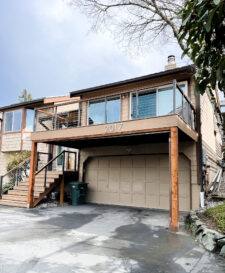
What Whatcom County Weather Does to a Deck
Three conditions do most of the damage to decks in this area, and they compound each other if a deck isn't built to account for them.
Salt Air and Metal Fasteners
Proximity to Puget Sound and Bellingham Bay means the air carries salt even a few miles inland, and that salt accelerates corrosion on any fastener or hardware that isn't rated for it. Standard electro-galvanized screws and joist hangers can start rusting within a season or two in a coastal-influenced microclimate. Once a fastener corrodes, it loses holding strength long before the rust is visible on the surface — that's the dangerous part, since the deck can look fine while the connection underneath is failing.
Driving Rain and Ledger Connections
Rain here doesn't just fall straight down — wind pushes it sideways into ledger boards, fascia, and any horizontal surface that isn't properly flashed. The ledger board (where the deck attaches to the house) is the single most common failure point on decks in wet climates, because water gets behind it, soaks the rim joist, and rots the connection from the inside out. This is invisible until the deck starts to feel spongy or, in worse cases, separates from the house.
Moss, Algae, and Deck Surfaces
Whatcom County's wet season runs long, and shaded or north-facing decks can stay damp for weeks at a stretch. That moisture feeds moss and algae growth on decking surfaces, stairs, and railings — which isn't just a cosmetic issue. A mossy deck board is a slip hazard, and moss holds moisture against the wood surface, which speeds up rot in untreated or poorly finished lumber.
Choosing the Right Decking Material for York Homes
There's no single "correct" material for every deck — it depends on budget, how much upkeep the homeowner wants to do, and how exposed the deck is to weather. Here's how the common options actually perform in this climate:
| Material | Moisture Behavior | Maintenance | Typical Cost Position |
|---|---|---|---|
| Pressure-treated wood | Resists rot when properly finished; can cup or check if left unsealed | Needs re-staining or sealing every 1-2 years in this climate | Lowest upfront cost |
| Cedar | Naturally rot-resistant, but softer surface wears faster under moss and moisture | Annual cleaning, periodic oil or stain | Mid-range |
| Composite decking | Doesn't rot or absorb water into the board core; surface can still stay damp and grow algae film | Periodic washing, no staining or sealing | Higher upfront, lower long-term labor |
| PVC/capped polymer | Fully sealed surface, best resistance to moisture and staining | Lowest maintenance; occasional cleaning | Highest upfront cost |
For a deck that gets heavy shade or sits close to the water, we generally steer homeowners toward composite or capped polymer boards specifically because of moss and algae — the sealed surface doesn't give organic growth the same foothold that raw wood grain does. That said, plenty of well-maintained cedar and pressure-treated decks in this area last decades; it comes down to whether the homeowner is willing to keep up with sealing and cleaning on schedule.
What a Correctly Built Deck Involves
The decking material gets all the attention, but the structure underneath it determines whether the deck is actually safe and long-lived. In this climate, a few details matter more than they would in a drier region.
Footings Set Below Frost Depth
Footings need to be sized and set to local frost depth and soil-bearing requirements. Undersized or shallow footings can shift over time, especially in soil that stays saturated for months during the wet season — that movement is what causes decks to develop a lean or uneven bounce years after installation.
Ledger Board and Flashing Done Right
Where the deck ties into the house, correct flashing — installed in the right order, lapped so water sheds outward instead of behind the siding — is non-negotiable. This is the detail that gets skipped most often on lower-quality deck builds, and it's the one most likely to cause hidden rot given how much wind-driven rain this area sees.
Fasteners and Hardware Rated for the Coast
Given the salt air issue covered above, we use fasteners and structural hardware rated for coastal or high-corrosion environments — stainless steel or heavy-duty coated options — rather than standard-grade hardware store fasteners. It costs a little more upfront and saves the homeowner from hidden structural problems a few years down the line.
Our Deck Building Process in York
- Site visit and consultation. We walk the property, look at drainage, sun/shade exposure, and how the deck will tie into the existing structure.
- Design and material selection. We talk through decking material, railing style, and layout based on how the space will actually be used and how much maintenance the homeowner wants to take on.
- Permitting. We handle the permit application and coordinate any required inspections with the local building department.
- Footings and framing. Footings are set to code, framing is built with corrosion-rated hardware, and the ledger connection is flashed correctly before anything else goes on top.
- Decking, railing, and stairs installed. Fastening method depends on material — hidden fastener systems for composite/PVC, or corrosion-rated screws for wood.
- Final walkthrough. We check the deck with the homeowner before calling the job finished, including a look at drainage under the deck and any transitions to stairs or the house.
Permits, Codes, and Guardrail Requirements
Deck construction in Whatcom County is subject to building permit and inspection requirements once a deck exceeds a certain height or size threshold — this isn't optional paperwork, it's what confirms the footings, framing, and railings meet code for load and fall protection. Guardrails are required above a certain deck height, and there are minimum requirements for railing height, baluster spacing, and stair guards. A licensed local crew handles this as a normal part of the job; a homeowner or unlicensed builder skipping the permit step is taking on liability that usually isn't worth the time saved.
Maintenance for Long Life in a Wet Climate
Whatever material a deck is built from, a little seasonal attention goes a long way in this climate. Homeowners who stay on top of this short list get noticeably more life out of their deck:
- Sweep leaves and debris off the deck surface regularly during fall — trapped organic matter holds moisture and speeds up moss growth
- Rinse or wash the deck surface at least once or twice a year to remove algae film before it becomes slick
- Check and re-seal or re-stain wood decking on the schedule appropriate to the product — don't wait until it's visibly graying
- Inspect fasteners and hardware periodically for rust staining, especially near the ledger board
- Keep gutters and downspouts near the deck clear so runoff isn't dumping extra water onto or under the structure
- Confirm under-deck drainage isn't pooling water against footings or posts
Why a Crew That Already Works York Matters
Deck building isn't just a set of national code minimums applied the same way everywhere. A crew that regularly works in the York area of Chuckanut already knows how local soil drains, how exposed a given lot is to wind off the water, and which construction details actually matter here versus in a drier inland climate. That local knowledge shows up in things like footing depth decisions, hardware selection, and where flashing gets extra attention — details that are easy to under-build if a crew is used to working somewhere with a milder, drier climate. It also means faster, smoother permitting, since we're already familiar with the local building department's process and inspection expectations.
Get a Free, No-Pressure Estimate
If you're planning a new deck or replacing an aging one in York, we're happy to come take a look, walk you through material options, and give you a straightforward estimate — no pressure, no sales script. Use the form below to get started.