 Chuckanut
 Metal Roofing in Edison: Built for What This Climate Actually Does to a Roof
Edison sits close enough to open water that salt-laden air is a daily fact of life, not an occasional nuisance. Add in driving, wind-blown rain off Puget Sound weather systems and a moss season that can run eight months or longer in a wet year, and you've got a set of conditions that will find every weak point in a roofing system faster than almost anywhere else in Whatcom County. A metal roof, installed correctly for this specific environment, holds up to that combination better than most alternatives. Installed wrong, or with the wrong materials, it can corrode, streak, or fail at the seams well before it should.
This page is about what a metal roof needs to actually perform in Edison — not generic installation talk that could apply anywhere.
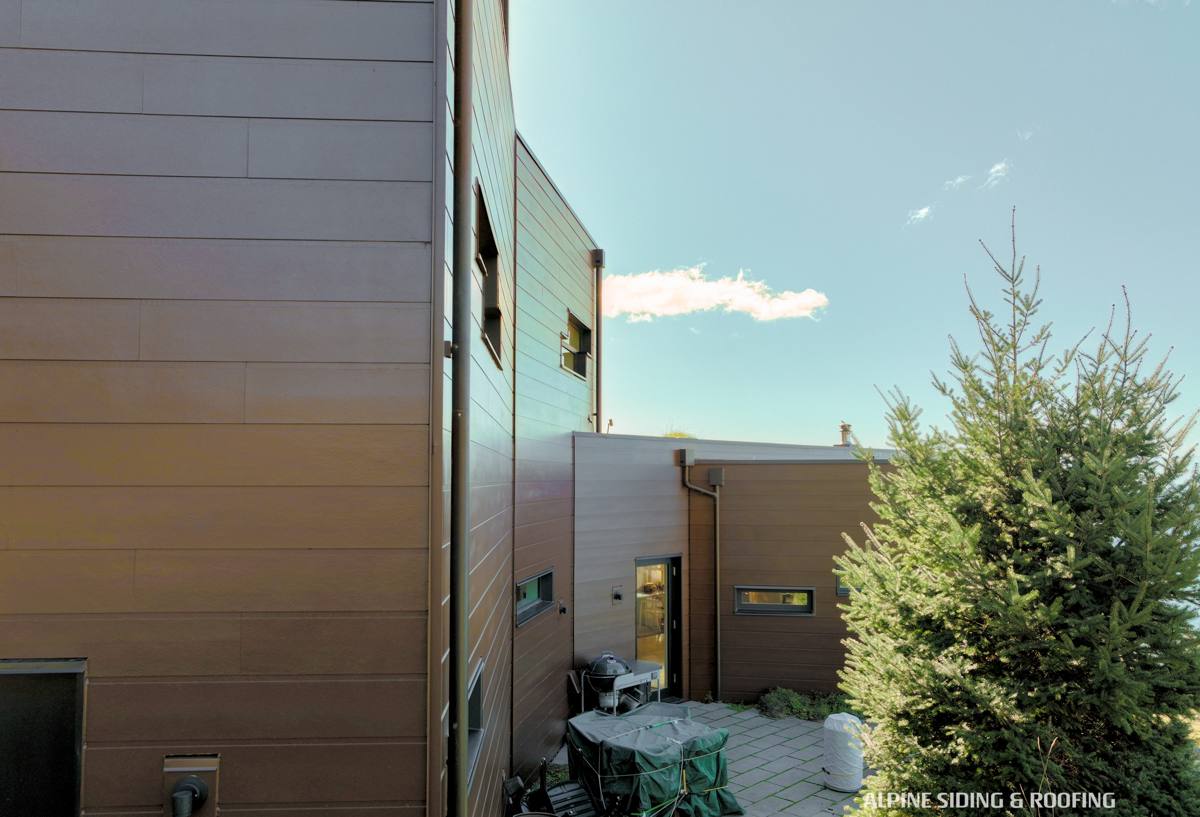
Why Edison's Climate Is Harder on a Roof Than Most People Assume
Salt Air and Corrosion
Airborne salt doesn't need to sit right on the coastline to do damage — it travels on wind and settles on any exposed metal, fastener, or cut edge. Over years, that exposure accelerates corrosion at the spots where a roofing system is most vulnerable: exposed screw heads, cut panel edges, and dissimilar-metal contact points where two different metals touch and react with each other. A roof spec that works fine forty miles inland can fail early here if the materials and fastener coatings weren't chosen with salt exposure in mind.
Driving Rain
Rain that comes in sideways doesn't behave like rain falling straight down. It gets pushed under lapped seams, around poorly sealed penetrations, and into any gap that a calmer climate might tolerate. Metal roofing handles water shedding well when it's detailed correctly, but wind-driven rain punishes shortcuts in flashing and seam work faster than a normal storm would.
A Long, Wet Moss Season
Moss needs shade, moisture, and organic debris to take hold, and Edison's tree cover combined with a long damp season gives it all three. Moss on an asphalt roof lifts shingles and traps moisture against the deck. On metal, the risk is different but not zero — moss and organic buildup in valleys, at panel laps, and around low-slope transitions can hold moisture against the finish and, over time, contribute to premature wear at those spots if the roof isn't kept clear.
What a Correct Metal Roof Installation Actually Involves
A lot of roofing problems in this region trace back to installation shortcuts rather than the material itself. For a metal roof to do its job here, several things have to happen in the right order and with the right materials.
- Deck inspection and repair first. Any soft, rotted, or water-damaged decking gets addressed before a single panel goes on — metal over a bad deck just hides the problem.
- A synthetic or high-quality underlayment rated for the exposure, installed as a full secondary water barrier, not an afterthought.
- Ice-and-water shield or equivalent protection at eaves, valleys, and penetrations — the places wind-driven rain and moss debris concentrate.
- Fasteners and flashing matched to the panel metal to avoid galvanic corrosion between dissimilar metals, which is a bigger deal near salt air than most homeowners realize.
- Correct panel overlap and seam technique for the specific system — standing seam, exposed fastener, or metal shingle each have different tolerances for wind and water intrusion.
- Proper attic and roof ventilation so trapped moisture from Edison's damp winters doesn't condense against the underside of the metal.
Skip or rush any one of these steps and the roof may look fine for a year or two before problems surface — usually at the worst possible time, mid-winter, when a repair crew is hardest to schedule.
Choosing the Right Metal Roofing System for This Property
Not every metal roofing system is the right fit for every home, and the choice matters more in a salt-air, high-rainfall environment than it would somewhere drier and further inland.
| System | Best For | Trade-Offs in This Climate |
|---|---|---|
| Standing seam (concealed fastener) | Homes wanting the longest service life and fewest maintenance points | Higher upfront cost; fewer exposed fasteners means fewer corrosion entry points over time |
| Exposed fastener panel | Budget-conscious projects, outbuildings, simpler rooflines | Exposed screws need periodic inspection and occasional re-torquing or replacement as washers age |
| Metal shingle / shake profile | Homes wanting a traditional look with metal's durability | More seams and laps than standing seam, so flashing detail at valleys matters even more |
Panel material matters too. Prepainted steel with a quality coating system performs well and costs less than aluminum, but it does rely on that coating staying intact — any deep scratch exposes bare steel to salt air. Aluminum won't rust even if scratched, which is part of why it's a common choice for properties closer to open water, though it typically costs more and can be more easily dented.
How Our Process Works, Start to Finish
- On-site assessment. We walk the roof (or inspect it safely if steep or fragile) and look at deck condition, existing ventilation, valley and penetration details, and any moss or moisture staining already present.
- Honest scope and options. You get a plain-English rundown of what's needed — repair versus full replacement, panel system options, and why we're recommending what we're recommending, including any trade-offs.
- Written estimate. No pressure tactics, no artificial deadlines. You get a clear number and a clear scope of work before anything is scheduled.
- Deck prep and correction. Any rot, soft spots, or prior water damage gets fixed before new material goes down.
- Underlayment, flashing, and panel installation using fasteners and details matched to the salt-air exposure and rainfall pattern typical of this area.
- Final walkthrough so you understand what was done, what the maintenance expectations are, and what to watch for going forward.
Maintenance in a Long Moss Season
Metal roofing needs less maintenance than most other roofing types, but "less" isn't "none" — especially with Edison's tree cover and damp winters. A short, regular checklist keeps a good roof performing the way it should for decades.
- Clear needles, leaves, and organic debris from valleys and low-slope areas at least once or twice a year, more often under heavy tree cover
- Check gutters and downspouts stay clear so water isn't backing up under eave flashing during heavy rain
- Look for any moss or algae growth starting to establish in shaded valleys and remove it before it spreads
- Have exposed fasteners (on exposed-fastener systems) inspected periodically for washer wear or loosening
- Watch for any scratches or chips in painted finishes, particularly after storms or falling branches, since exposed bare metal is where corrosion starts
- After any major windstorm, do a visual check for lifted panel edges or damaged flashing
What Drives the Cost of a Metal Roof in Edison
Every roof is different, and we won't quote a number without seeing the actual property, but the main variables that move cost up or down are consistent across most jobs in this area.
| Factor | Why It Matters Here |
|---|---|
| Roof complexity (valleys, dormers, penetrations) | More seams and transitions means more flashing detail — and more places wind-driven rain can find a way in if it's not done right |
| Panel system chosen | Standing seam costs more upfront than exposed-fastener but has fewer long-term maintenance points in a salt-air environment |
| Material (steel vs. aluminum) | Aluminum resists corrosion regardless of scratches but generally costs more than coated steel |
| Deck condition | Existing rot or moisture damage from moss or past leaks adds repair work before panels can go on |
| Access and roof pitch | Steeper or harder-to-access rooflines take longer and require more safety setup |
| Ventilation upgrades | Older homes often need ventilation improvements to keep condensation from forming under the new roof |
As a broad range, straightforward exposed-fastener metal roofing tends to sit closer to what a quality architectural asphalt roof costs, while standing seam systems run higher — but the difference in expected lifespan and maintenance burden over 30-plus years often closes that gap. We'll walk through the real numbers for your specific roof during the estimate, not before.
Why It Matters That We Already Work in Edison
A crew that mostly works fifty miles inland, in a drier microclimate, may spec a roof the way they always do — because it's what works where they usually build. That same spec can underperform here. Working regularly around Edison and the surrounding Chuckanut and Whatcom County area means we already know which fastener coatings hold up to the salt air, which flashing details actually stop wind-driven rain at valleys and penetrations, and how much moss pressure a given roofline is realistically going to see based on its sun exposure and tree cover.
That local pattern recognition doesn't show up on a spec sheet. It shows up in fewer callbacks, fewer surprises three winters in, and a roof that's actually built for the weather it will face rather than a generic version of "metal roofing."
Repair, Recover, or Replace: Making the Right Call
Not every issue on an existing metal roof means starting over. We look at a few things to figure out the right path:
- Isolated fastener or seam failure on an otherwise sound roof usually means targeted repair, not replacement
- Widespread coating failure or rust across multiple panels is a sign the system is nearing the end of its useful life
- Deck damage found during a repair changes the math — if the structure underneath is compromised, patching the metal on top doesn't solve the real problem
- Age combined with visible wear at fastener points is worth a full inspection before deciding, since some issues look worse than they are and others look minor but indicate a bigger problem underneath
We'll always tell you honestly which category your roof falls into rather than defaulting to the more expensive recommendation.
Get a Straight Answer About Your Roof
If you're weighing a repair, a full metal roof replacement, or you're just not sure what your current roof needs after another wet Edison winter, we're happy to take a look and give you a straightforward assessment. The estimate is free, there's no pressure to commit to anything on the spot, and you'll get a clear explanation of what we see and why we'd recommend it. Use the form below to get started.