 Chuckanut
 Roof Repair Built for Fairhaven's Coastal Weather
Fairhaven sits close to the water in Whatcom County, and that location shapes everything about how a roof ages here. The same views and marine air that make this stretch of Chuckanut and south Bellingham desirable also put extra stress on shingles, flashing, and fasteners. A roof repair here isn't just patching a leak — it's addressing a specific combination of salt air, driving rain, and a moss season that can run most of the year. A repair that ignores those factors tends to fail again within a season or two.
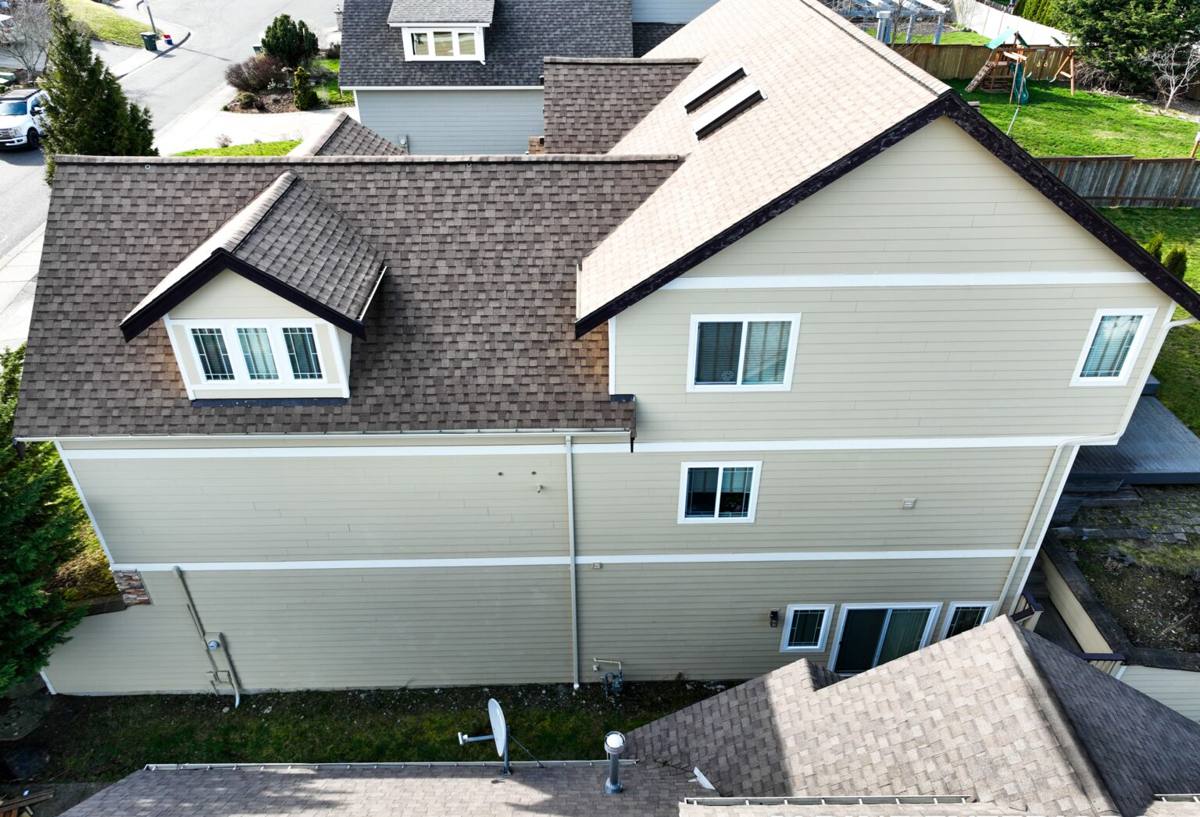
What Salt Air, Rain, and Moss Do to a Fairhaven Roof
Salt Air and Metal Components
Homes closer to Bellingham Bay deal with airborne salt that accelerates corrosion on exposed metal — nail heads, flashing edges, gutter hangers, and vent caps. Once a fastener or flashing seam starts to corrode, it stops sealing the way it should, and that's exactly where small leaks start. Repairs in this area need to account for that corrosion risk, not just match what's already up there.
Driving Rain
Storms coming off the water often bring wind-driven rain rather than straight-down rain. Wind-driven water gets pushed sideways and upward under shingle edges, around chimneys, and into valleys — areas that would stay dry in a calmer climate. A repair that only addresses the visible gap and not the water's actual path under wind pressure usually leaves the underlying problem in place.
Moss Season
Between the shade from mature evergreens common in this part of Whatcom County and the long stretch of damp, mild weather, moss has a long growing window here — often close to year-round. Moss holds moisture directly against the roofing surface, lifts shingle edges as it grows, and traps debris in valleys and gutters. Left alone, it shortens the life of an otherwise sound roof.
Signs Your Roof Needs Repair, Not Just a Look
Some warning signs are obvious from the ground; others only show up once you're paying attention to the right details. Here's what we tell Fairhaven homeowners to watch for:
- Dark streaking or thick moss patches, especially on north-facing slopes or areas shaded by trees
- Granules collecting in gutters or at the base of downspouts
- Shingles that look curled, lifted at the edges, or cracked
- Rust staining or visible corrosion around flashing, vent pipes, or chimney counterflashing
- Water stains on interior ceilings, especially after a windy storm rather than a calm rain
- Sagging or soft spots when walked on decking during a full replacement inspection
- Daylight visible through the attic at roof edges or around penetrations
Any one of these can point to a simple, contained repair. Several at once — or moss combined with interior staining — usually means the underlying deck or flashing has been compromised for a while.
What a Correct Roof Repair Actually Involves
Moss and Debris Removal Done Right
Moss removal has to be done carefully — scraping or pressure-washing too aggressively strips granules and shortens the life of the shingles it was meant to protect. We remove moss by hand where it's established, clear valleys and gutters of trapped debris, and treat the surface to slow regrowth, rather than just knocking the visible growth off the top.
Flashing: Where Most Leaks Start
Most roof leaks in this region trace back to flashing, not the shingle field itself — chimney counterflashing, valley metal, skylight curbs, and the step flashing along walls and dormers. A real repair means pulling back the surrounding shingles, inspecting the underlayment beneath the flashing, and resealing or replacing the metal so it sheds wind-driven rain the way it's supposed to, not just caulking over a visible gap.
Shingle, Shake, and Ridge Repair
Cracked, curled, or missing shingles get replaced with matching material where possible, with attention to how the new pieces tie into the existing wind and water seal. Ridge caps take a disproportionate amount of wind exposure near the water, so they're checked closely during any repair, even when the call was about a leak somewhere else on the roof.
Checking Attic Ventilation
A surprising number of "roof leaks" are actually condensation problems caused by poor attic ventilation — moist indoor air meeting a cold roof deck. In a climate as consistently damp as Whatcom County's, we check soffit and ridge venting as part of a repair visit, because fixing the surface without addressing airflow underneath just invites the same damage back.
Roofing Materials Common on Fairhaven Homes
Fairhaven's mix of historic and newer homes means we see a range of roofing materials, each with its own repair considerations in this climate:
| Material | Moss & Moisture Behavior | Repair Considerations |
|---|---|---|
| Asphalt composition shingle | Moderate moss risk; granule loss is the main aging sign | Widely available, straightforward to patch and blend with existing color runs |
| Cedar shake | Higher moss and moisture retention risk without airflow underneath | Repairs require matching shake thickness/exposure and confirming ventilation gaps are intact |
| Metal roofing | Low moss risk; sheds water and debris well | Repairs focus on fastener backouts, sealant at penetrations, and coating wear near the coast |
| Flat or low-slope membrane (additions, porches) | Ponding risk if drainage is off | Seam and flashing integrity matter more than material aging |
None of these materials is wrong for this area — each just needs to be repaired with its specific moisture behavior in mind, which is where a generic patch job tends to fall short.
How We Approach a Repair Call in Fairhaven
Our process is the same whether the issue is one missing shingle or a chronic leak that's been patched before:
- Walk the full roof, not just the reported problem area — leaks often show up away from where the water actually enters
- Check the attic from inside for staining, damp insulation, or ventilation gaps
- Identify the actual water path, which in wind-driven rain is often not a straight line down from the interior stain
- Remove moss and debris from the work area so the repair is done on a clean, dry surface
- Repair flashing, decking, and roofing material as needed, matching existing materials where possible
- Confirm the fix by checking drainage and flashing laps before we consider the job done
We also give a straight answer on whether a section of roof is a good candidate for repair at all, or whether it's reached the point where a patch is just delaying a larger cost.
Repair or Replace? Cost Factors to Weigh
Every roof reaches a point where repair stops being the economical choice. These are the factors that tip the decision one way or the other:
| Factor | Favors Repair | Favors Replacement |
|---|---|---|
| Roof age | Well within expected lifespan for the material | Near or past the material's typical service life |
| Extent of damage | Isolated to one section, flashing, or a few shingles | Widespread granule loss, multiple leak points, or deck damage |
| Repair history | First or infrequent repair | Same area has been patched multiple times already |
| Moss/moisture damage | Surface-level, caught early | Moss has been present long enough to affect the decking underneath |
| Ventilation condition | Attic airflow is adequate | Chronic condensation is damaging the deck from underneath |
We'll always give you a broad, honest range for either path during the estimate rather than pushing one option — some roofs genuinely only need a targeted repair, and we'll say so.
Why Hire a Crew That Already Works in Fairhaven
A contractor who works this part of Chuckanut and Whatcom County regularly already knows which flashing details tend to fail near the water, how aggressively moss needs to be managed on shaded lots, and how wind-driven rain from storms off the bay behaves differently than a straight-down downpour. That local pattern recognition matters more on a repair than it does almost anywhere else in the job — a repair is only as good as the diagnosis behind it, and a crew unfamiliar with this coastal, moss-heavy climate is more likely to fix the symptom instead of the cause.
Simple Maintenance Between Repairs
A few habits go a long way toward stretching the time between repair calls in this climate:
- Clear gutters and valleys of debris at least twice a year, more often under heavy tree cover
- Trim back branches that shade the roof and keep it damp longer than it needs to be
- Have moss treated before it becomes thick growth rather than after
- Check the attic after major windstorms for new staining, especially on walls facing the water
- Address small flashing or shingle issues promptly — they rarely stay small in this climate
If you're noticing moss buildup, a stubborn leak, or you just want a second opinion on a roof's condition, we're happy to take a look. Fill out the form below for a free, no-pressure estimate.