 Chuckanut
 Lake Samish's Climate Is Harder on Siding Than It Looks
Homes around Lake Samish sit in one of the more demanding microclimates in Whatcom County. The lake basin is ringed by steep, forested slopes that hold moisture close to the ground long after a storm has passed. Add the moist, salt-tinged air that moves up from Chuckanut Bay and Samish Bay, and you get a combination of driving rain, heavy shade, and near-constant humidity that most siding products were never engineered to handle for decades on end.
This isn't a page about James Hardie siding in general. It's about what Lake Samish homes specifically need from their siding, what a correct installation looks like in this setting, and why a crew that already works this shoreline understands details that get missed by contractors who mostly work drier, more open sites.
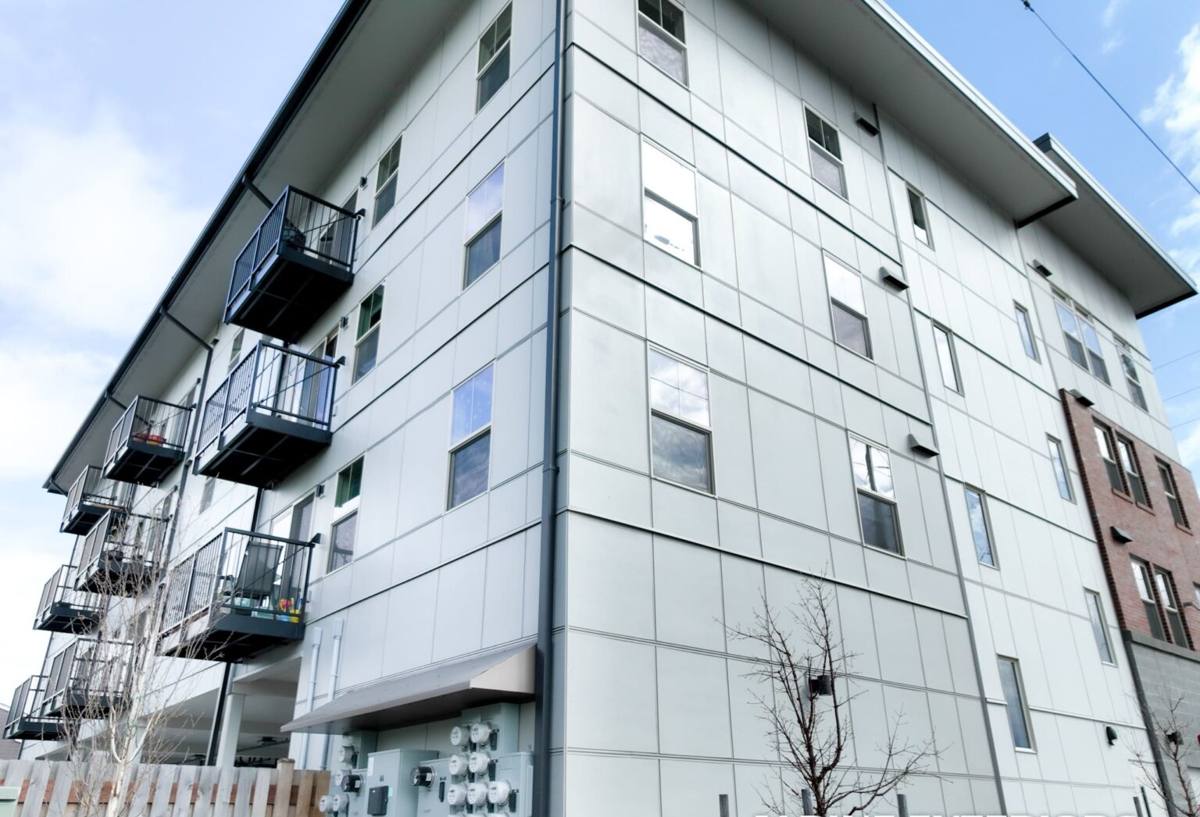
What Driving Rain, Salt Air, and Moss Actually Do to Siding
Every one of the climate factors around Lake Samish attacks siding in a specific, predictable way. Understanding the mechanism matters more than knowing the buzzword, because it changes what "correct installation" actually means for your house.
Driving rain and wind-driven water
Lake and mountain topography channels wind, and wind-driven rain doesn't just run down a wall — it gets pushed sideways and upward, working into laps, seams, and fastener penetrations that would stay dry on a calm, open lot. Siding that isn't dimensionally stable, or that isn't backed by correct flashing and a drainage plane, lets that water travel behind the cladding instead of off of it.
Salt-tinged, moisture-laden air
Air moving inland off the bay carries fine salt and moisture that settles on exterior surfaces and accelerates corrosion of fasteners, trim, and any siding material sensitive to swelling from repeated wetting. It also keeps humidity elevated even on days without rain, which slows drying time for whatever gets wet.
A long moss and algae season
Heavy tree canopy around the lake means long stretches of shade, slower evaporation, and organic debris — needles, pollen, leaf litter — collecting in laps and on horizontal trim. That combination is exactly what moss and algae need to establish, and once organic growth takes hold on a moisture-sensitive substrate, it holds water against the surface far longer than open exposure would.
None of this is unusual for the Pacific Northwest. But the intensity and duration are higher directly around Lake Samish than in more open parts of Chuckanut, which is why we treat homes here as their own case rather than defaulting to a generic install.
Why We Install Only James Hardie Siding Here
We are a James Hardie-exclusive contractor. We don't install vinyl, LP SmartSide, Cemplank, Allura, primed spruce, or cedar, and around Lake Samish that standard isn't a marketing position — it's the product line that holds up to the specific combination of moisture, shade, and organic growth described above.
HZ5 climate engineering
James Hardie manufactures its siding in different HZ (HardieZone) formulations matched to regional climate demands. Western Washington, including Whatcom County, falls in the zone where Hardie's moisture- and freeze-thaw-resistant formulation is specified. Fiber cement itself is dimensionally stable — it doesn't swell, cup, or absorb water the way wood-based or wood-derived siding products can, which matters directly on a site where wind-driven rain and shade-slowed drying are both working against the wall.
ColorPlus factory finish
James Hardie's ColorPlus finish is baked on in a factory-controlled process rather than sprayed or brushed on site, which gives it stronger adhesion and more consistent coverage — including on cut edges when properly treated — than field-applied paint. In a moss-prone environment, a finish that resists moisture intrusion at the surface is one less pathway for organic growth to gain a foothold. It also means less frequent repainting, which matters on a lake lot where scaffolding and access can be more involved than on a standard street-front home.
Non-combustible material
Fiber cement is non-combustible, which is a genuine advantage anywhere in Western Washington's increasingly long wildfire seasons, and it's a detail some Lake Samish homeowners specifically ask about given the surrounding tree cover.
What a Correct Installation Involves
James Hardie siding performs to its engineered lifespan only when it's installed to the manufacturer's specifications — and on a site like Lake Samish, the margin for error is smaller than it would be on a dry, open lot. Correct installation means:
- A continuous water-resistive barrier behind the siding, lapped correctly with flashing at every window, door, and penetration so water is directed out, not trapped in
- Proper fastener type, spacing, and depth — over-driven or under-driven nails are one of the most common causes of premature failure at lap joints
- Correct clearance at the bottom of the siding from grade, decks, patios, and roof lines, so splash-back and standing water don't sit against the bottom course
- Sealed and primed cut edges wherever a factory edge is trimmed on site, since an unsealed cut edge is the one place ColorPlus protection doesn't already cover
- Rain screen or drainage gap detailing appropriate to the wall assembly, giving any moisture that does get behind the cladding a path to drain and dry
- Trim and caulking joints sized and placed to accommodate normal material movement without cracking open over time
Skipping any one of these doesn't show up on day one. It shows up two, five, or ten years later as staining, soft trim, or paint failure — and by then it's a repair job, not a punch-list item.
Installed Correctly vs. Installed to Get It Closed In
| Detail | Done to spec | Common shortcut |
|---|---|---|
| Water-resistive barrier | Continuous, correctly lapped, integrated with flashing | Housewrap installed but flashing sequence skipped or reversed |
| Fastening | Manufacturer-spec nail type, spacing, and set depth | Whatever fastener is on the truck, driven with a framing gun on full power |
| Bottom clearance | Set clearance from grade, decks, and roofs per Hardie spec | Siding run tight to grade or a deck surface to save a trim cut |
| Cut edges | Primed/sealed on every field cut | Left raw, especially at rakes and inside corners |
| Caulk joints | Backer rod and joint sizing per manufacturer guidance | Caulk gun run over whatever gap is left |
The visible result of both approaches can look identical the day the crew leaves. The difference shows up in how the wall performs through the next ten Lake Samish winters.
Our Process for Lake Samish Projects
Because we already work this part of Chuckanut, our process accounts for the site conditions before the first board goes up:
- Site and exposure assessment — we walk the property and note tree cover, shaded elevations, water flow off the roof and surrounding grade, and any areas already showing moss or moisture staining on the existing siding or trim
- Substrate check — once old siding comes off, we inspect the sheathing and framing underneath for any moisture damage that needs to be addressed before new material goes up, rather than sided over
- Water-resistive barrier and flashing — installed and inspected before any siding closes it in, since this is the layer that does the real work if water gets past the cladding
- James Hardie installation to spec — correct fastening, clearances, and sealed cut edges throughout, with particular attention to shaded elevations and areas near grade or hardscape
- Trim, caulking, and final detailing — joints sized for long-term movement, not just a clean look on install day
- Walkthrough — we go over what was done and what routine upkeep looks like for your specific lot and exposure
Maintenance in a Moss-Prone, High-Moisture Setting
James Hardie siding is low-maintenance compared to wood-based alternatives, but "low-maintenance" isn't "no-maintenance" on a shaded lake lot. A simple seasonal routine keeps a correctly installed system performing the way it's designed to:
- Rinse siding annually with a garden hose and soft brush, focusing on shaded, north-facing, or tree-covered walls where moss and algae establish first
- Clear leaf litter, needles, and debris out of laps, trim ledges, and anywhere horizontal surfaces meet the wall
- Keep gutters clean and downspouts directed away from the foundation so roof water isn't adding to what the wall already has to shed
- Trim back vegetation and tree limbs that keep a wall section shaded and damp longer than the rest of the house
- Check caulk joints around windows, doors, and trim once a year and have any cracked or separated sections resealed before winter
- Avoid pressure washing directly into laps or at high pressure close to the surface — a soft wash is enough and won't force water behind the boards
Cost Factors on Lake Samish Properties
Every project is different, but the same handful of factors drive cost on most Lake Samish homes we work on:
| Factor | Why it matters here |
|---|---|
| Site access | Lake-side lots, slopes, and limited driveway access can affect staging, scaffolding, and material delivery |
| Existing siding removal and disposal | Tear-off scope and what's found underneath (moisture damage, old sheathing) affects labor before new siding even starts |
| Wall complexity | Elevations, dormers, and trim detail multiply flashing and cutting work |
| Tree cover and clearance work | Some sites need vegetation cut back before work starts to protect drying time and the new finish |
| James Hardie product line and profile | Lap width, texture, and trim selections affect material cost and install time |
We provide a written, itemized estimate after seeing the actual site — we don't quote lake-front or heavily shaded properties off a flat per-square-foot number, because the conditions above genuinely change the scope.
Why a Local Crew Matters More Here Than Elsewhere
A contractor who mostly works dry, open, in-town lots can install James Hardie siding correctly by the book and still miss the site-specific judgment calls that a place like Lake Samish demands — where to add extra flashing attention on a shaded north wall, how much bottom clearance to hold on a lot with uneven grade toward the water, or which elevations need a heavier hand on drainage detailing because they simply don't dry out as fast as the rest of the house. Working this stretch of Chuckanut regularly means those calls come from experience with these lots specifically, not a generalized checklist.
If you're planning a siding project on a Lake Samish home, we'd be glad to take a look and put together a free, no-pressure estimate — just fill out the form below.