 Chuckanut
 Building New in Silver Beach? Get the Windows Right the First Time
New construction is the one chance to install windows correctly from the studs out, before drywall, siding, and finish work make corrections expensive. In Silver Beach, that first-time-right window gets tested harder than it would inland. Homes here sit close enough to the water that salt-laden air, wind-driven rain, and Whatcom County's long gray moss season all work on a window assembly year-round, not just during a storm or two. We install new-construction windows for builders and homeowners in this part of Chuckanut, and this page walks through what that job actually involves — not the marketing version, the trade version.
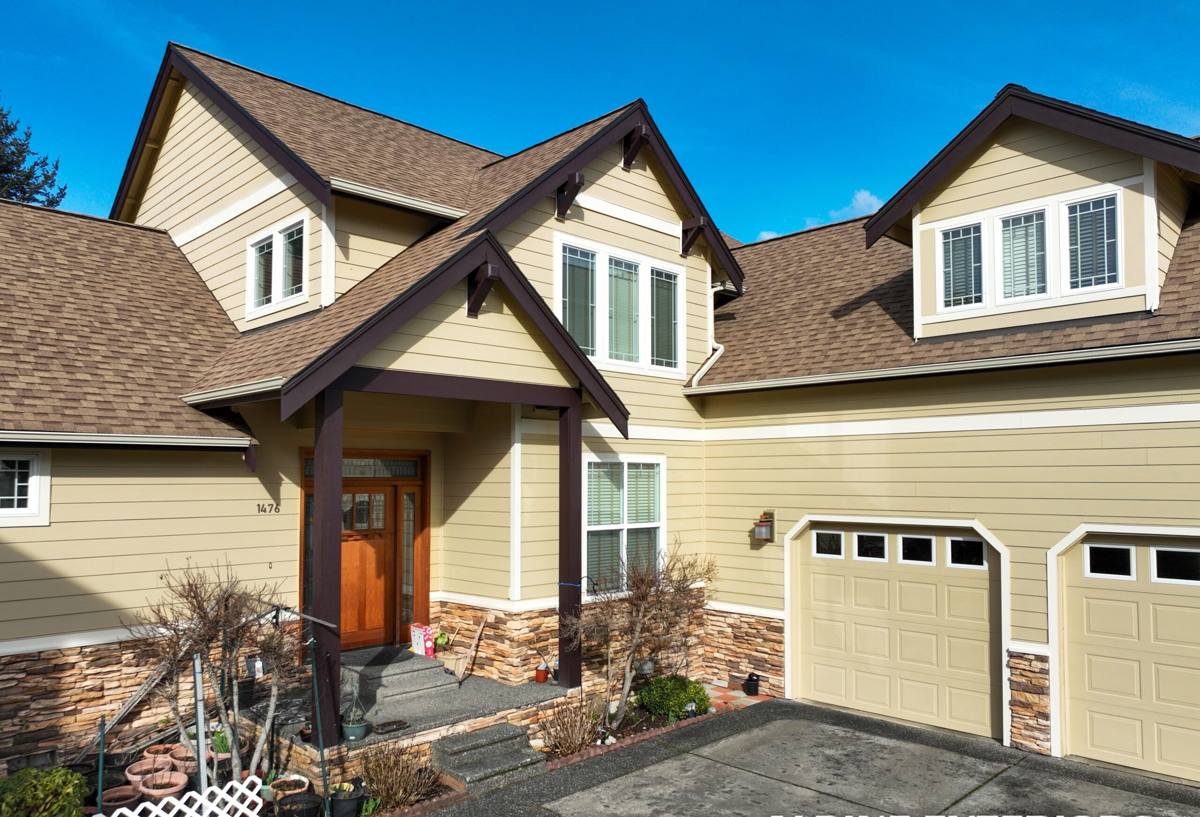
Why Silver Beach's Climate Changes the Window Equation
A window is a system: frame, glass, flashing, sill, and the rough opening it sits in. Get any one part wrong and the others don't save you. In Silver Beach, three local conditions push harder on that system than they would in a drier, more inland part of Whatcom County.
Salt Air and Metal Fatigue
Airborne salt accelerates corrosion on fasteners, weep-hole screens, and any exposed metal hardware. It also breaks down cheap finishes on aluminum components faster than a spec sheet printed for a national market would suggest. We favor corrosion-resistant fasteners and hardware on every install this close to the water, and we tell clients up front which components will need periodic attention because of it — not after the fact.
Wind-Driven Rain and Flashing
Rain that falls straight down is the easy case. Rain that's being pushed sideways by wind off the water finds every shortcut in a flashing sequence — a missed lap, a sealant bead used in place of proper shingling, a sill pan that wasn't sloped to drain. In new construction, this is entirely preventable, because you're building the opening before there's any siding to work around.
Moss Season and Sustained Moisture
Whatcom County's moss season isn't a single wet month — it's a long stretch of low sun, high humidity, and surfaces that rarely fully dry out. That doesn't just grow moss on roofs and siding; it means any water that does get behind a window opening has more time to sit before conditions dry it out. A marginal flashing detail that would recover fine in a drier climate can turn into hidden rot here simply because of how long the assembly stays damp.
What a Correct New-Construction Window Install Actually Involves
The Rough Opening Comes First
Before a window ever shows up on site, the rough opening needs to be square, correctly sized, and wrapped with the right water-resistive barrier detail. We check this regardless of who framed it — a window installed into a slightly out-of-square or improperly wrapped opening will never perform to spec, no matter how good the window itself is.
Sill Pan Flashing
The sill is the single most important detail on a new-construction window. It needs a pan flashing that's sloped to the exterior, with end dams to stop water from migrating sideways into the wall cavity. This is the detail that fails most often on jobs we're asked to inspect after the fact, and it's the one detail that's nearly impossible to fix correctly once the siding is on.
Shingle-Style Flashing Sequence
Sill pan first, then window, then jamb flashing, then head flashing, each lapped over the layer below like shingles on a roof — so water always sheds down and out, never behind. Tape and sealant support this sequence; they don't replace it. On a home exposed to sideways rain off the water, skipping a step here is the kind of shortcut that doesn't show up for a few years, and then shows up as rot inside a wall.
Setting, Shimming, and Fastening
The window has to be shimmed plumb, level, and square at every fastening point, not just at the corners. An out-of-square window stresses its own seals and hardware every time it's opened or closed, which shortens the life of weatherstripping and locking mechanisms well before the glass or frame would otherwise need attention.
Choosing a Frame Material for a Salt-Air, High-Moisture Site
There's no single "best" frame material for every home — it depends on budget, the home's design, and how much upkeep an owner wants to take on. Here's how the common options actually compare for a Silver Beach build.
| Frame Material | Salt Air / Moisture Behavior | Maintenance Needs | Where It Fits Best |
|---|---|---|---|
| Vinyl | Won't corrode; performs consistently in salt air | Low — occasional rinse of sills and tracks | Budget-conscious new builds, rental or spec construction |
| Fiberglass | Very stable in moisture and temperature swings; holds paint and finish well over time | Low to moderate | Owners planning to stay long-term who want minimal upkeep |
| Aluminum-Clad Wood | Good exterior weather resistance if clad and flashed correctly; interior wood needs protection from any leak | Moderate — depends on clad quality and installation | Homes prioritizing a wood interior look with exterior durability |
| Bare Aluminum | Prone to corrosion and condensation issues in coastal, high-moisture air unless thermally broken | Higher | Generally not our first recommendation this close to the water |
We don't push one material on every job. What we do insist on is that whatever frame is chosen gets flashed and installed the same rigorous way — the frame material affects long-term maintenance, but it doesn't excuse a shortcut in the installation itself.
Our Process for Silver Beach New-Construction Installs
- Opening inspection — we verify rough opening size, squareness, and water-resistive barrier before any window is set, regardless of who framed the structure.
- Sill pan and flashing plan — sloped sill pan with end dams, then a shingle-lapped sequence for jamb and head flashing suited to this site's wind-driven rain exposure.
- Setting and shimming — plumb, level, square, and fastened at every point specified by the window manufacturer, not just the corners.
- Insulation and air-sealing — low-expansion foam or backer rod and sealant around the frame perimeter, sized to avoid bowing the frame.
- Interior and exterior trim coordination — timed with siding and interior finish crews so the flashing laps are never buried out of sequence.
- Final function and weather check — every sash operates, locks, and seals correctly before we call the job done.
Mistakes We See Most Often on Coastal New Builds
- Sealant used as a substitute for proper flashing laps, instead of as a backup to them
- Sill pans that are flat or slightly reverse-sloped, trapping water instead of shedding it
- Standard-grade fasteners and hardware installed without accounting for salt-air corrosion
- Window openings wrapped before framing was fully squared, baking the problem into the wall
- Flashing sequence interrupted because siding crews arrived before window trim-out was finished
Every one of these is avoidable in new construction specifically because the wall is still open. On a remodel or replacement job, some of these details are hidden by the time a problem shows up; on new construction, there's no excuse for getting them wrong.
Why a Crew That Already Works Silver Beach Matters
General window installation knowledge gets you most of the way to a correct job anywhere. What it doesn't automatically account for is how a specific site behaves — how much wind-driven rain a particular orientation actually sees, how long moss-season humidity lingers on a shaded elevation, or which hardware grades hold up versus which ones need replacing within a few years of salt exposure. A crew that's done this work elsewhere in Chuckanut and the surrounding Whatcom County shoreline has already seen which shortcuts fail here and which details matter more than a generic spec sheet would suggest. That's not a marketing point — it's the difference between an install that meets code and one that's actually built for where it sits.
Keeping New Windows Performing Long-Term
A correctly installed window still needs some basic upkeep in this climate. A short annual routine goes a long way:
- Rinse sills, tracks, and exterior hardware periodically to clear salt residue before it accelerates corrosion
- Check weep holes on operable windows to make sure they aren't blocked by debris or moss growth
- Inspect exterior caulk lines each year and touch up any that have shrunk, cracked, or separated
- Watch for soft trim or discoloration at the sill and jambs, which can signal a flashing issue worth catching early
- Keep gutters and downspouts clear so roof runoff isn't sheeting down across upper window openings
Ready to Talk Through Your Silver Beach Build?
If you're framing a new home or addition in Silver Beach and want the window package planned correctly from the rough opening forward, we're glad to walk the site and talk through options with you. There's no pressure and no obligation — just a straightforward look at what your specific home needs, backed by a free estimate.