 Chuckanut
 Roofing in Alger: A Different Set of Conditions
Alger sits close enough to Chuckanut Bay and Samish Bay that salt-laden air is a regular part of the weather, not an occasional visitor. Add in Whatcom County's long wet season, driving rain that comes in sideways off the water, and tree cover that keeps roofs shaded and damp for weeks at a stretch, and you have a climate that is genuinely harder on a roof than most manufacturers' warranty testing accounts for. A roof replacement out here isn't just about swapping old shingles for new ones — it's about building an assembly that can shed that much water, resist corrosion from the salt air, and stay clean enough that moss doesn't get a foothold every winter.
This page is specifically about roof replacement for homes in and around Alger. If you're comparing options for your property, the details below are the ones that actually matter here, not generic advice pulled from a national roofing guide.
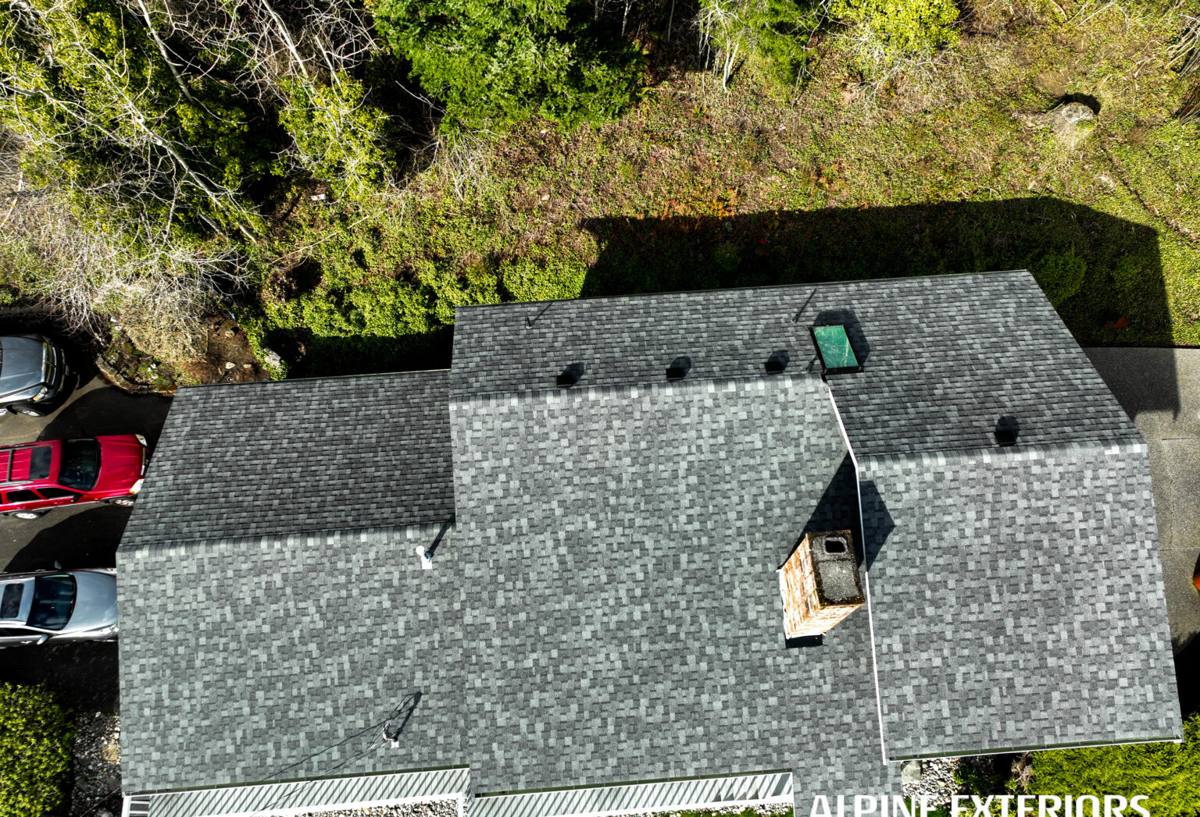
What Local Homes Need From a Roof
Three regional factors drive almost every decision on an Alger roof replacement:
- Salt air: Metal fasteners, flashing, and vents corrode faster this close to the water. Material and hardware choices need to account for that from day one, not get discovered as a problem five years in.
- Driving rain: Wind-driven rain off the bay pushes water sideways and uphill under shingles at valleys, eaves, and wall intersections. Underlayment and flashing details matter more here than in drier parts of the state.
- Moss season: Whatcom County's wet, shaded winters give moss and algae months to establish themselves. Once moss gets under shingle tabs, it lifts them and holds moisture against the deck — that's a slow leak waiting to happen, not just a cosmetic issue.
Signs a Roof Needs Replacement, Not Just a Repair
A lot of Alger roofs get patched for years past the point where patching still makes sense. Some honest signals it's time for a full replacement:
- Granule loss heavy enough that shingles look bald or the gutters are full of grit
- Moss growth that comes back within a season or two of cleaning, especially on north-facing slopes
- Soft or spongy spots underfoot, which usually mean the deck underneath has already taken on moisture
- Daylight visible through the roof deck from the attic, or staining on attic sheathing near the ridge or valleys
- Shingles curling, cracking, or losing their seal — common on older roofs that have gone through repeated freeze-thaw and wet-dry cycles
- Multiple past repairs in different spots, which usually signals the whole roof is aging out at once
If a roof is showing one or two of these in isolation, a repair can often buy real time. If it's showing several at once, or the roof is already past 20-25 years old, repair costs start adding up toward what a replacement would run anyway — with none of the peace of mind.
What a Correct Roof Replacement Involves
Tear-Off and Deck Inspection
A proper replacement starts with a full tear-off down to the deck, not a layover. That's the only way to actually see what's underneath — soft plywood, rotted sheathing near valleys, or old damage hidden by the previous roofing. Any compromised decking gets replaced before anything new goes down. Skipping this step is the single most common shortcut that leads to problems a few years later, and it's not something you can verify once the new roof is on.
Underlayment and Water Protection
Given how much driving rain this area gets, underlayment choice matters more here than in drier climates. Ice-and-water shield membrane belongs at eaves, valleys, and around penetrations like chimneys and skylights — the spots where wind-driven rain is most likely to work its way backward under the shingles. A synthetic underlayment across the rest of the deck adds a second line of defense if any water does get past the shingle layer.
Ventilation
Attic ventilation is easy to overlook but directly affects how long a roof lasts in a wet climate. Poor airflow traps moisture in the attic, which speeds up deck rot from underneath and makes conditions worse for moss and mildew from above. A correct replacement includes a look at intake and exhaust venting, not just the shingles themselves.
Flashing and Fasteners
Because of the salt air, hardware choice isn't a minor detail. Corrosion-resistant flashing and fasteners cost a little more up front and save real headaches later — rusted or degraded flashing around chimneys, vents, and wall intersections is one of the more common leak sources we find on older roofs in this area.
Material Selection
Most Alger homes land on architectural asphalt shingles rated for high wind and algae resistance, though metal roofing is a reasonable option for homeowners who want to minimize long-term moss and algae maintenance. Either can work well here — the right choice depends on budget, roof pitch, and how much ongoing maintenance a homeowner wants to take on.
Material Comparison for This Climate
| Material | Moss/Algae Resistance | Typical Lifespan | Maintenance in Salt Air |
|---|---|---|---|
| Standard 3-tab asphalt | Low — needs algae-resistant granules to help | 15-20 years | Moderate; granule loss accelerates near the coast |
| Architectural (laminate) asphalt | Moderate to good with algae-resistant options | 25-30 years | Moderate; still benefits from periodic moss treatment |
| Standing seam metal | Good — sheds moss more easily due to smooth surface and slope | 40-50+ years | Low, but fasteners and flashing must be corrosion-rated |
| Cedar shake | Poor without regular treatment | 20-30 years with upkeep | High; requires more frequent maintenance in wet, shaded settings |
This isn't a ranking of "best" material — it's a reference for trade-offs. A shaded, north-facing roof under trees will get more out of a moss-resistant option than an open, sun-exposed roof will, regardless of which material is chosen.
Cost Factors Homeowners Should Understand
| Factor | Why It Matters Here |
|---|---|
| Roof pitch and access | Steeper roofs and limited access (common on wooded Alger lots) add labor time |
| Deck condition | Hidden rot from long-term moisture found during tear-off adds material and labor cost |
| Underlayment upgrade | Extra ice-and-water shield at eaves/valleys costs more than minimum-code underlayment but reduces leak risk substantially |
| Ventilation work | Adding or correcting intake/exhaust venting is a smaller add-on when bundled into a full replacement |
| Material choice | Metal costs more upfront than asphalt but spreads that cost over a much longer lifespan |
We don't publish a flat price because these variables genuinely change the number from one Alger property to the next — a straightforward, accessible asphalt re-roof and a steep, tree-shaded metal roof with deck repairs are not the same project. A walk-through gives an honest number, not a guess.
Our Process
Chuckanut Siding runs roof replacements in a consistent order so nothing gets skipped:
- On-site inspection of the current roof, attic ventilation, and any visible deck or moss issues
- A written estimate that spells out material, underlayment, and any deck repair allowances
- Full tear-off to bare deck, with any damaged sheathing replaced and documented before covering it up
- Installation of underlayment, flashing, and roofing material to manufacturer specification
- Final walk-through so the homeowner can see the finished work and ask questions before we consider the job done
We also plan around this area's weather rather than fighting it — roofing during a stretch of steady rain isn't good for the deck or the new materials, so scheduling accounts for realistic weather windows rather than rushing a tear-off into bad conditions.
Why a Crew That Already Works Alger Matters
A roofing crew that mostly works drier, inland areas will often spec a roof the same way they would anywhere else in Washington. That's not usually a problem in Spokane. It is a problem in Alger, where a roof sits under coastal weather and tree cover for most of the year. Knowing which slopes on a given lot stay shaded and damp longest, which underlayment upgrades actually pay off given the rain patterns here, and which fasteners hold up against salt air over a decade rather than five years — that comes from doing the work locally and repeatedly, not from a spec sheet.
It also matters for something more basic: being reachable. If a flashing detail needs a second look after a heavy storm, or a warranty question comes up years later, a crew based in and around Chuckanut is a short drive away, not a call center in another region.
Questions Worth Asking Before You Hire
- Does the tear-off go all the way to the deck, or is a layover being proposed?
- What underlayment is being used at eaves, valleys, and penetrations specifically?
- Is attic ventilation being assessed, or just the shingles?
- Are flashing and fasteners rated for coastal/salt-air conditions?
- What does the manufacturer's warranty actually cover, and what would void it?
- Is the estimate itemized enough to show what happens if deck repair is needed once tear-off starts?
If a roof replacement is on the horizon for a home near Alger, we're happy to take a look and walk through what your roof actually needs — no pressure, no inflated scare-tactics about damage that isn't there. Reach out for a free estimate using the form below.