 Chuckanut
 Siding Installation Built for Sehome's Weather, Not Just Its Look
Sehome homes sit inside one of the more demanding climate zones in Whatcom County. The combination of salt-laden air moving in off the water, long stretches of driving rain, and a shade-and-moisture season that lets moss and algae take hold for months at a time means siding here works harder than siding almost anywhere else in the state. A siding installation job in Sehome isn't just a cosmetic upgrade — it's the single biggest factor in whether your home's walls stay dry, insulated, and rot-free for the next several decades.
This page is specifically about installing new siding on a home in Sehome — not a general overview of siding as a product category. If you're trying to understand what your home actually needs given where it sits, what a correct installation looks like, and why the crew you hire matters as much as the material, this is written for you.
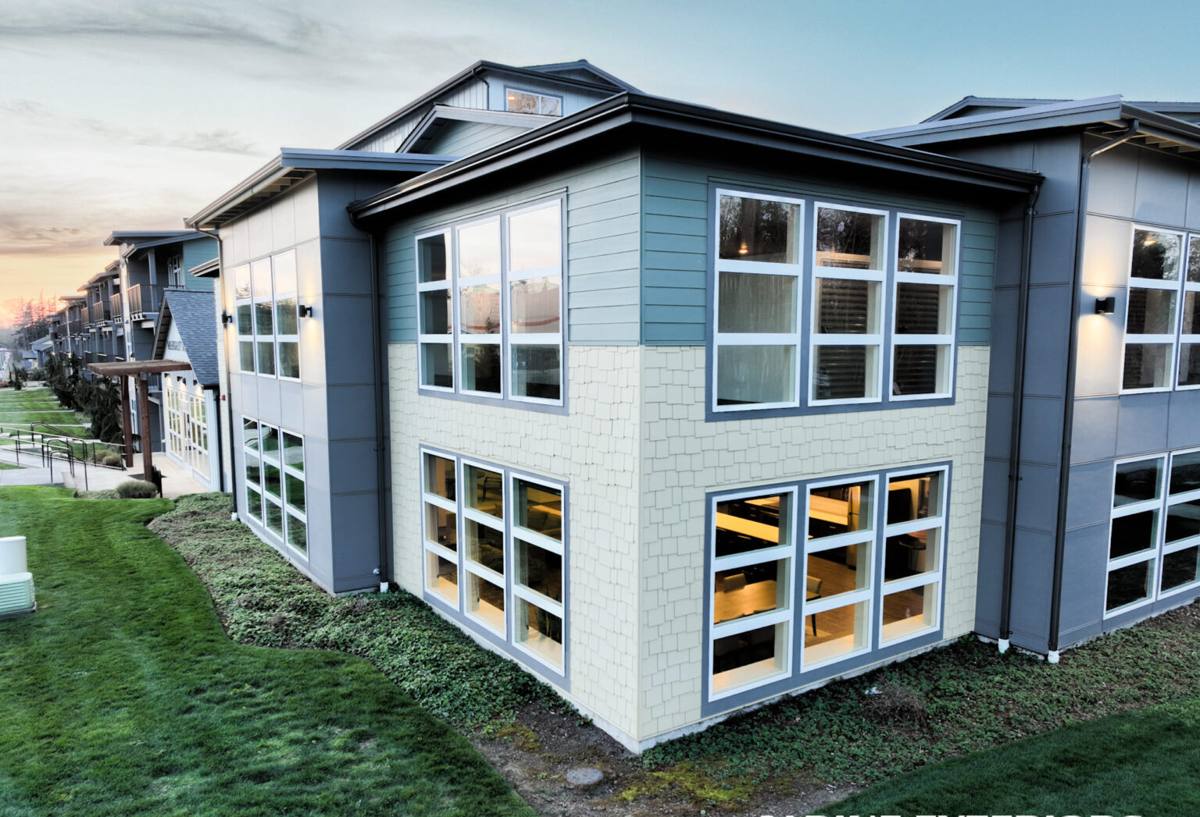
What Sehome's Climate Actually Does to Siding
Salt Air and Slow Corrosion
Proximity to marine air means airborne salt settles on exterior surfaces year-round, not just during storms. Salt is hygroscopic — it pulls moisture out of the air and holds it against whatever surface it lands on. On siding, that means fastener heads, trim edges, and any exposed cut ends stay damp longer than they would further inland. Over years, that constant low-grade dampness accelerates corrosion on unprotected fasteners and trim, and it speeds up paint and finish failure on materials that aren't engineered to handle it.
Driving Rain and Wind-Driven Wetting
Whatcom County storms frequently come with enough wind to drive rain sideways into wall assemblies rather than letting it simply run down the face of the house. That matters more than most homeowners realize — it's not the rain hitting the siding that causes problems, it's what happens behind the siding when water finds a lap joint, a fastener hole, or a poorly flashed penetration. Wind-driven rain tests every seam, every piece of flashing, and every inch of overlap in a siding system multiple times a year.
The Long Moss and Shade Season
Sehome's tree cover and cloud cover combine to keep north- and west-facing wall sections damp and shaded for a large part of the year. That's exactly the environment moss, algae, and mildew need to establish themselves. Once organic growth takes hold on a siding surface, it holds moisture against that surface even longer, which compounds the problem. Siding material, installation detailing, and even color choice all affect how much of this a home has to fight.
What a Correct Siding Installation Actually Involves
The material on the wall gets most of the attention, but in a climate like this, installation detailing is what actually determines whether a home stays dry. A correctly installed siding system is really a layered assembly, and every layer has a job.
The Weather-Resistive Barrier and Flashing
Before any siding goes up, the wall needs a continuous weather-resistive barrier with properly lapped and taped seams, plus flashing at every window, door, and penetration that directs water back out rather than into the wall cavity. This layer is the actual waterproofing system — the siding itself is the first line of defense, but the barrier behind it is what protects the structure if that first line is ever tested.
Fastening and Clearances
Fastener type, spacing, and depth all affect long-term performance, especially in a salt-air environment where corrosion resistance matters more than it would inland. Clearance gaps at the bottom of the siding, around foundations, and at roof lines keep splash-back and standing water away from cut edges and butt joints — the most vulnerable points in any siding system.
Joints, Caulking, and Butt Joint Treatment
Every horizontal and vertical joint is a potential water entry point. Correct installation means butt joints are properly backed and sealed, caulking is used only where it's actually appropriate (not as a substitute for proper flashing), and factory-cut or field-cut edges are sealed according to the manufacturer's specification. Skipping this step is one of the most common causes of premature siding failure, and it's invisible from the ground until moisture damage shows up years later.
Why We Install Only James Hardie Fiber Cement
We made a deliberate decision to install James Hardie fiber cement siding exclusively — not vinyl, not LP SmartSide, not Cemplank, Allura, primed spruce, or cedar. That's not a brand preference for its own sake; it's a response to exactly the conditions described above. Fiber cement is non-combustible, dimensionally stable in wet-dry cycling, and doesn't feed moss and algae growth the way wood-based products can. James Hardie's HZ5 product line is specifically engineered for climates like ours, with a factory-applied ColorPlus finish designed to hold up against UV and moisture exposure far longer than field-applied paint. It also carries a strong transferable warranty — but that warranty is only as good as the installation behind it, which is why installation quality gets equal billing with material choice on every page on this site.
Our Installation Process in Sehome
Every home is different, but the sequence of a correct installation doesn't change. Here's what the process looks like from first look to finished wall.
- On-site assessment: We walk the exterior, check for existing moisture damage, evaluate the current weather barrier condition, and identify any rot or structural issues that need addressing before new siding goes on.
- Removal and substrate check: Old siding comes off in sections so we can inspect sheathing and framing underneath, rather than covering up problems that are already there.
- Weather barrier and flashing installation: This is the step that gets skipped or rushed on lower-quality jobs. We treat it as the most important part of the project.
- Hardie panel or lap installation: Fastened, spaced, and joined to manufacturer specification, with attention to fastener corrosion resistance given the salt-air exposure common in this area.
- Trim, caulking, and finish detail: Corners, window and door surrounds, and joints get sealed correctly the first time.
- Final walkthrough: We review the finished job with you before calling it done.
| Phase | What Affects Timeline |
|---|---|
| Removal | Number of stories, existing siding type, hidden rot discovered underneath |
| Barrier & flashing | Number of window/door openings and penetrations to flash correctly |
| Siding installation | Total square footage, home shape and cut complexity, panel vs. lap profile chosen |
| Weather delays | Rain days during driving-rain season can pause exterior work |
Signs a Sehome Home May Need New Siding
Some warning signs are obvious; others show up gradually and get written off as normal weathering. Given Sehome's climate, we recommend a closer look if you notice any of the following:
- Persistent moss or algae growth that returns shortly after cleaning
- Soft spots, bubbling, or visible warping in wall sections, especially on shaded or north-facing walls
- Paint that's peeling or blistering faster than it should, particularly near the bottom courses
- Visible gaps opening up at seams, corners, or trim joints
- A musty smell or interior wall discoloration near exterior walls
- Rusted or corroded fastener heads showing through the surface
Cost Factors for Siding Installation
We don't publish blanket pricing because every Sehome home differs in size, shape, story count, and existing condition — but the factors that move a project's cost up or down are consistent.
| Factor | Why It Matters |
|---|---|
| Home size and wall complexity | More corners, gables, and cutouts mean more labor and material waste |
| Existing siding removal | Multiple layers or damaged sheathing underneath add scope |
| Substrate repair needed | Rot or moisture damage found during removal has to be fixed before new siding goes on |
| Panel vs. lap profile | Material and labor differ between Hardie panel and Hardie plank lap siding |
| Trim and detail work | Window surrounds, corner boards, and fascia detail add labor time |
| Access and story count | Two- and three-story sections require more scaffolding and time |
Why Hiring a Crew That Already Works in Sehome Matters
Installation quality is the difference between siding that performs for decades and siding that fails early — and installation quality is directly tied to how well a crew understands the conditions they're building for. A crew that regularly works in Sehome and the surrounding Whatcom County area already knows to prioritize flashing detail around openings, choose corrosion-resistant fasteners appropriate for salt-air exposure, and manage weather windows around driving-rain patterns instead of rushing installation between storms. That local familiarity shows up in the small decisions made throughout a job — decisions that don't appear on an estimate sheet but determine whether the siding is still performing well fifteen or twenty years from now.
Maintenance After Installation
Correctly installed James Hardie siding is low-maintenance, not no-maintenance. A periodic rinse to keep moss and algae from establishing on shaded wall sections, an annual look at caulking and trim joints, and prompt attention to any landscaping that's grown up against the wall line will keep the system performing the way it's designed to in this climate.
If you're weighing a siding project for a Sehome home, we're happy to take a look and walk you through what your home specifically needs — no pressure, no obligation. Request a free estimate below and we'll get back to you with an honest assessment.