 Chuckanut
 Siding Installation for Happy Valley Homes
Happy Valley sits in a part of Whatcom County where the weather doesn't take a break. Homes here deal with a near-constant mix of marine air, driving rain off the water, and long stretches of gray, damp weather that keep exterior surfaces wet for days at a time. That combination is hard on siding — any siding — and it's the reason installation quality matters more here than it does in drier parts of the state. A siding job that would hold up fine in eastern Washington can fail within a few years on a Happy Valley home if it's not built for this specific climate.
This page covers what a correct siding installation looks like for homes in this neighborhood, what we see go wrong on older houses in the area, and why we've standardized on one product system instead of offering the usual lineup of options.
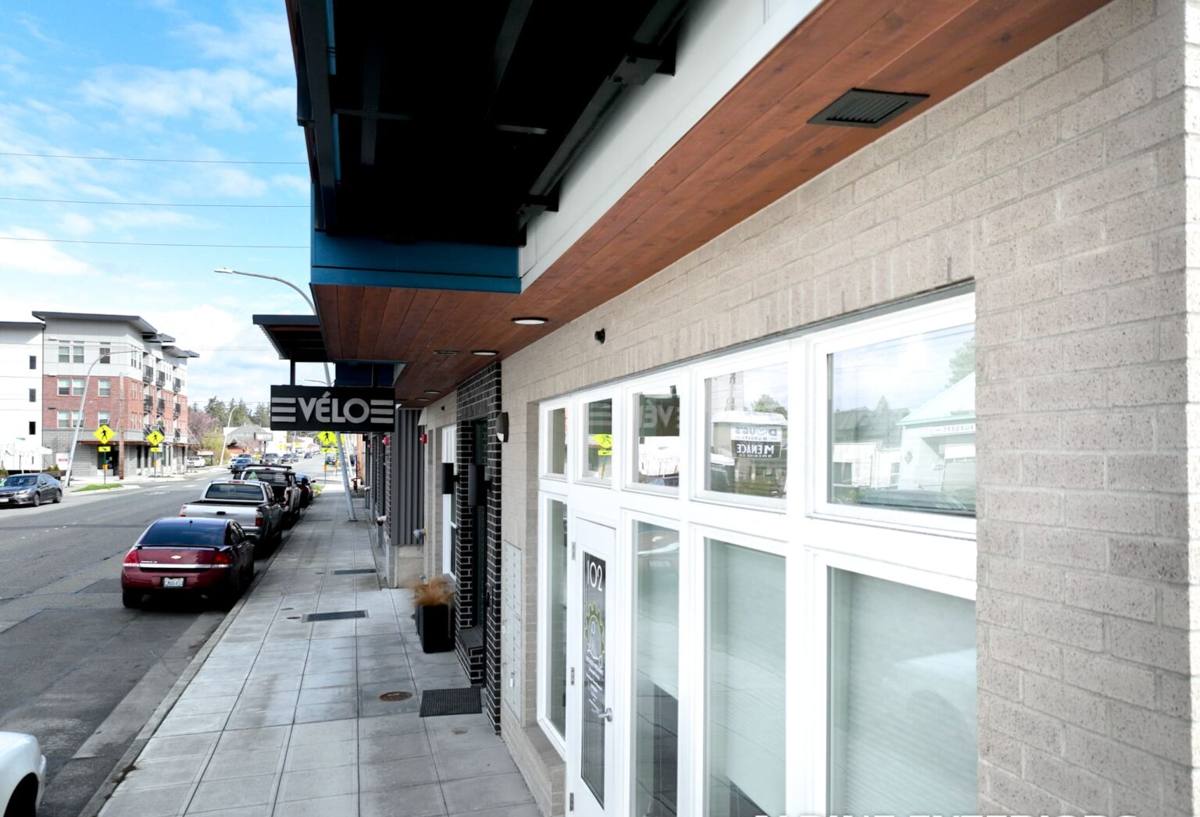
What Happy Valley's Climate Actually Does to Siding
Three things define the exterior conditions here, and each one attacks a different weak point in a siding system:
Salt Air
Proximity to open water means airborne salt is a constant, low-level presence on exterior surfaces. Salt accelerates corrosion of exposed fasteners, degrades certain paint finishes faster than inland exposure would, and settles into porous or damaged siding surfaces where it holds moisture against the substrate.
Driving Rain
This isn't gentle, straight-down rain. Wind-driven rain hits siding at an angle, which means it gets pushed up under laps, around trim, and into any gap in the flashing or caulking. A siding system that only sheds water when it falls straight down will leak here.
A Long Moss Season
Shaded and north-facing walls, roof lines that shed onto siding, and the sheer number of damp months in a row all add up to moss and algae growth that can run most of the year. Moss holds moisture directly against the siding surface for extended periods, which is a problem for any material that isn't inherently rot-resistant.
None of this is unique to any one home — it's the baseline condition for the whole area. What varies is how much of it a given house is exposed to, based on tree cover, sun exposure, and how close it sits to open water.
What a Correct Siding Installation Involves
Most siding failures we get called out to inspect aren't a product failure — they're an installation failure. The material held up; the details around it didn't. A correct installation in this climate means getting the following right, every time, not just on the parts that show:
- Weather-resistive barrier: A continuous, properly lapped water barrier behind the siding, with all seams and penetrations sealed before a single piece of siding goes up.
- Flashing at every transition: Windows, doors, roof-to-wall intersections, and deck ledgers all need flashing that directs water out and away from the wall assembly, not just caulk covering a gap.
- Correct clearances: Siding held up off decks, patios, and grade by the manufacturer's minimum distance, so splash-back and standing water don't sit against the bottom edge.
- Fastener placement and type: Corrosion-resistant fasteners, set at the correct depth and location — not overdriven, not missing the framing, not placed where they'll wick water into the panel.
- Proper joint and seam treatment: Butt joints, corners, and penetrations sealed and shimmed according to spec, not just caulked over as an afterthought.
Skip any one of these and the siding will look fine for a year or two before the driving rain and moss finds the weak point.
Why We Install Only James Hardie Fiber Cement
We don't offer vinyl, LP SmartSide, or the other engineered wood and composite options that come up in siding conversations. That's a deliberate standard, not a lack of options, and it comes directly from what this climate does to exterior materials over time.
Fiber cement doesn't rot, and it isn't a food source for the moss and algae that thrive on damp walls here. Engineered wood products are treated to resist moisture, but they're still wood-based at the core — if water gets past a compromised seam or a nick in the coating, especially in a climate this consistently wet, the material underneath is vulnerable in a way fiber cement simply isn't. Vinyl sheds water fine but expands, contracts, and can warp or crack with age and impact, and it doesn't offer the factory-cured finish that holds color in salt-exposed, sun-faded, damp conditions the way ColorPlus finishes do.
James Hardie's HZ5 product line is engineered specifically for climates like this one — wet, moderate-temperature, moss-prone. That's not a marketing detail; it affects the moisture management built into the product itself. Paired with a factory-applied ColorPlus finish, the color coat is baked on and warrantied separately from the substrate, so we're not relying on a field-applied paint job to hold up against years of salt air and rain.
We're upfront that this is a standard, not a universal rule for every siding job everywhere. But for homes in this specific climate, it's the material we're willing to put our name behind.
Our Installation Process in Happy Valley
1. On-Site Assessment
We walk the home and look at exposure — which walls take the worst of the driving rain, which sides stay shaded and damp longer, where moss and algae are already established, and what condition the current siding, sheathing, and trim are in underneath.
2. Tear-Off and Substrate Check
Old siding comes off and we inspect the sheathing and framing underneath before anything new goes up. Trapped moisture damage doesn't fix itself by covering it with new siding — if we find rot or compromised sheathing, we address it before installation continues.
3. Weather Barrier and Flashing
This is the step that determines whether the job lasts. We install a continuous weather-resistive barrier and flash every window, door, and wall transition before the first piece of Hardie board goes up.
4. Installation to Manufacturer Spec
Siding is installed with correct clearances, fastener spacing, and joint treatment, following James Hardie's published installation requirements — which is also what keeps the manufacturer's warranty intact.
5. Final Walkthrough
We walk the finished job with the homeowner, checking trim lines, caulking, and touch-up work before calling it done.
What We See Go Wrong on Older Homes Here
A lot of our estimate calls in this neighborhood come from homeowners dealing with the same handful of problems, which almost always trace back to installation shortcuts rather than the age of the siding itself:
- Missing or failed flashing around windows, leading to water staining or soft spots in the wall below
- Siding installed tight to decks or grade with no clearance, holding moisture against the bottom courses
- Heavy moss buildup on north-facing and shaded walls that's been left untreated for years, holding damp against the surface
- Caulk used as a substitute for proper flashing at trim and corner boards
- Fasteners driven through face nailing at the wrong depth, cracking the siding or creating water entry points
None of these are unusual — they're common results of siding being installed fast, or installed by a crew unfamiliar with what this specific climate demands.
Cost Factors for Siding Installation
Every home is different, but the same handful of factors drive cost up or down on most Happy Valley siding jobs:
| Factor | Why It Matters Here |
|---|---|
| Tear-off vs. new construction | Removing old siding and repairing any hidden moisture damage adds labor and sometimes sheathing replacement |
| Home size and wall complexity | More corners, dormers, and trim details mean more flashing and cutting time |
| Siding profile and accessories | Lap width, trim style, and corner treatment all affect material cost |
| Exposure level | Walls facing prevailing wind-driven rain often need extra flashing detail and clearance work |
| Existing moss or moisture damage | Rotted sheathing or framing found during tear-off has to be repaired before new siding goes on |
| Access and site conditions | Sloped lots, tree cover, and limited staging space affect labor time |
We give a firm, itemized estimate after the on-site assessment — not a phone-quote guess — because the condition behind the old siding is often the biggest variable.
Why a Local Crew Matters
A crew that already works this part of Whatcom County knows which walls on a typical Happy Valley home take the worst weather, how fast moss reestablishes on shaded siding here, and what clearance and flashing details actually hold up against wind-driven rain off the water — because they've gone back and looked at their own work years later. That local pattern recognition is the difference between a crew that installs siding correctly and one that's just installing it fast.
It also matters for permitting and inspection — knowing the local requirements and building department expectations ahead of time keeps a project moving instead of stalling on avoidable paperwork issues.
After Installation: What to Keep an Eye On
- Rinse moss and algae off shaded or north-facing walls once or twice a year with a soft wash — never a high-pressure wash aimed directly at siding seams
- Check caulking at trim and penetrations annually; recaulk any cracked or separated joints promptly
- Keep gutters and downspouts clear so roof water isn't dumping directly onto siding below
- Trim back vegetation and tree cover that keeps walls shaded and damp longer than necessary
- Watch for any staining or soft spots near ground level, decks, or window trim and have them checked early
Correctly installed Hardie siding is low-maintenance, not no-maintenance — a little attention each year keeps it performing the way it's designed to in this climate.
If you're planning a siding project in Happy Valley or anywhere nearby in Chuckanut, we're happy to walk the property and give you a straight, no-pressure estimate. Use the form below to get started.