 Chuckanut
 Siding Repair Built for Columbia's Coastal Climate
Homes in the Columbia neighborhood sit close enough to the water and the tree cover of the Chuckanut area that siding takes a different kind of beating than it does a few miles inland. Salt-laden air off the bay works into seams and fastener heads. Driving rain off Chuckanut Drive's exposed slopes drives moisture sideways into laps and trim. And the long, wet moss season here — often stretching from fall through late spring — keeps north- and west-facing walls damp for months at a time. None of that is dramatic on its own, but stacked together year after year, it's exactly the kind of slow, compounding stress that turns a small siding problem into a structural one.
This page is specifically about repairing siding on Columbia homes — not a general siding overview. If you're seeing cracked boards, soft spots, peeling paint, or dark streaking on your siding, what follows is how we diagnose it, what a correct repair actually involves, and why the material we use for repairs matters as much as the labor.
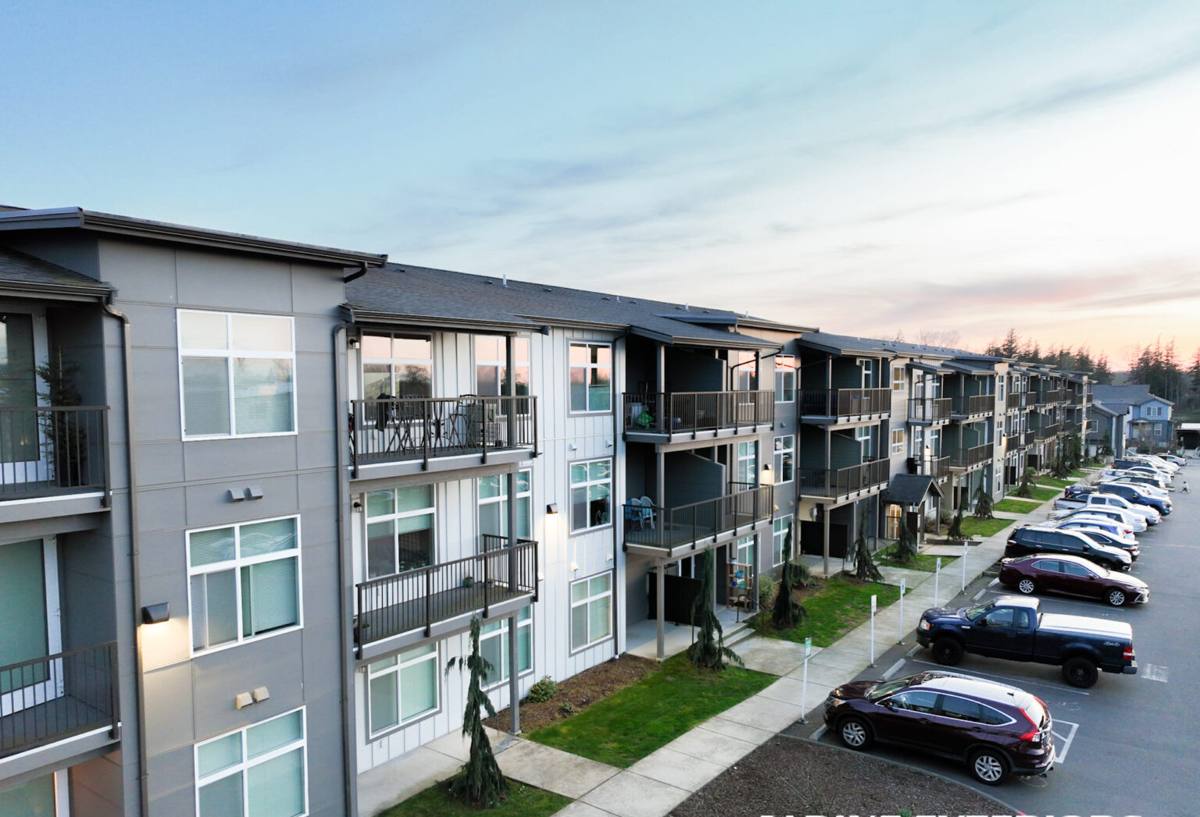
What Salt Air, Rain, and Moss Actually Do to Siding
Salt Air
Airborne salt is hygroscopic — it pulls moisture out of the air and holds it against whatever surface it lands on. On siding, that means fastener corrosion, accelerated paint and coating breakdown, and a steady chalky or gritty buildup that traps additional moisture against the wall. Homes closer to open water see this fastest, but Whatcom County's marine air carries it well inland from Chuckanut Bay and the Samish shoreline.
Driving Rain
Wind-driven rain doesn't just run down a wall — it gets pushed sideways and upward into laps, seams, and any gap in caulking or flashing. Once water gets behind siding instead of just running across the face of it, the damage shifts from cosmetic to structural: sheathing rot, insulation degradation, and eventually framing damage that costs far more to fix than the siding itself.
Moss and Algae
Moss doesn't just sit on siding — it holds water against the surface for extended periods and, given enough time, its rhizoids can work into seams, caulking, and any surface that isn't fully sealed. On wood-based products especially, that constant dampness is what starts rot from the outside in. On fiber cement, moss is mostly a coating and appearance issue if the product is sound, but it still needs to be dealt with before it masks a real problem underneath.
Common Siding Problems We See in Columbia
- Cracked, split, or delaminating boards, most often on south and west-facing walls that see the most rain impact
- Soft or spongy sections where moisture has gotten behind the siding and into the sheathing
- Persistent moss and algae staining on shaded, north-facing walls
- Failed caulking at trim, window, and door transitions, letting water track behind the siding
- Rust streaking or corroded fasteners from prolonged salt exposure
- Impact damage from storms, falling branches, or landscaping equipment
- Paint failure — peeling, bubbling, or chalking — often a sign of moisture trying to escape from behind the board
What a Correct Repair Actually Involves
Siding repair done right is not just pulling off a bad board and nailing up a new one that matches. A repair that's actually going to hold up in this climate starts with figuring out why the siding failed in the first place — otherwise you're just delaying the same problem.
Inspection and Moisture Testing
We check the damaged area and the surrounding siding, not just the obviously bad boards. Damage that's visible in one spot is frequently a symptom of a moisture path that extends further than what you can see from the ground. Where we suspect water has gotten behind the siding, we check the sheathing and framing condition before we close anything back up.
Flashing and Weather Barrier Check
A huge share of "siding failures" are actually flashing or house-wrap failures that let water in behind sound siding. We check window and door flashing, kick-out flashing at roof-wall intersections, and the condition of the weather-resistive barrier anywhere we've opened up a wall for repair. Replacing siding without fixing a bad flashing detail just resets the clock on the same failure.
Matching Material and Method
For repairs on existing James Hardie siding, we match the profile, exposure, and finish so the repaired section is not a visible patch. For homes with other siding materials, we'll walk you through your options honestly — including where a targeted repair makes sense and where the smarter long-term move is replacing the damaged section, or the wall, with fiber cement instead of restoring a material that's already showing its age.
Repair or Replace? How We Make the Call
Not every damaged section needs to come off the whole house, and not every repair is worth doing. The table below covers the factors that typically push a decision one way or the other.
| Factor | Leans Toward Repair | Leans Toward Replacement |
|---|---|---|
| Extent of damage | Isolated to one or two boards or a single wall section | Spread across multiple walls or recurring in the same areas |
| Underlying material condition | Sheathing and framing test dry and sound | Rot or moisture damage found behind the siding |
| Siding material | Existing James Hardie in good general condition | Aging wood, vinyl, or other product nearing end of service life |
| Cause of failure | One-time event — impact damage, a single failed caulk joint | Systemic issue — chronic moss/moisture, widespread caulk failure, poor original installation |
| Age of siding | Well within expected service life | Original installation is old and the repair would be a stopgap |
We'll tell you plainly which category your situation falls into. If a repair is the right call, that's what we'll recommend — we're not in the business of upselling replacement work a home doesn't need.
Why We Repair With James Hardie Fiber Cement
When a repair calls for new material — whether it's patching a section of existing Hardie siding or replacing a failing section of something else — we use James Hardie fiber cement, and only James Hardie. It's the one product we install and stand behind, for reasons that matter directly to a climate like this one:
- Non-combustible core that doesn't rot, delaminate, or feed moss the way wood-based products can
- ColorPlus factory finish, engineered to resist the fading and chalking that salt air accelerates on field-painted siding
- Climate-engineered HZ product lines, built specifically for wet, marine-influenced climates like Western Washington
- Strong, transferable warranty coverage that holds up as long as the installation is done to spec
- Proven long-term performance in exactly the kind of driving rain and prolonged dampness Columbia homes deal with
We don't install LP SmartSide, vinyl, Cemplank, Allura, primed spruce, or cedar. Each of those products has legitimate strengths, but between maintenance burden, moisture sensitivity, or installation tolerances, none of them hold up to this climate the way Hardie does when it's installed correctly — and repair work is not the place to introduce a second, mismatched product into a wall system that's already shown it has a moisture problem.
Our Siding Repair Process
- On-site inspection of the damaged area and surrounding siding, including a visual and, where warranted, physical check for moisture
- Diagnosis of the actual cause — impact, flashing failure, caulk failure, or chronic moisture exposure
- Honest recommendation: targeted repair, section replacement, or a note that full re-siding is the better long-term investment
- Removal of damaged material and inspection of sheathing, framing, and weather barrier underneath
- Repair or replacement of any compromised flashing or house wrap before new siding goes back on
- Installation of matched or replacement siding, fastened and finished to manufacturer spec
- Final walk-through so you know exactly what was found and what was done
Maintenance Checklist for Columbia Homeowners
A few habits go a long way toward keeping small siding issues from becoming repair calls, especially given how much moss and moisture pressure this area sees.
- Walk the exterior once or twice a year, focusing on north- and west-facing walls where moss and driving rain hit hardest
- Keep gutters clear so overflow isn't running down the siding face during heavy rain
- Trim back vegetation that shades siding and keeps it damp longer than it should be
- Check and refresh caulking at window, door, and trim joints every few years
- Remove moss buildup promptly with a gentle wash rather than pressure that can force water behind the siding
- Address soft spots, cracks, or peeling paint as soon as you notice them — these get more expensive to fix the longer they sit
Why Hiring a Crew That Already Works in Columbia Matters
Siding repair in this part of Whatcom County isn't the same job as siding repair in a dry inland climate. A crew that hasn't worked marine-exposed siding before can miss the difference between cosmetic moss staining and a real moisture problem developing behind it, or under-flash a repair in a way that fails again the next wet season. Working in and around Chuckanut regularly means we know which wall orientations take the worst of the driving rain, how aggressively moss needs to be managed here, and what a repair actually needs to hold up through another Whatcom County winter — not just look right the day it's finished.
If you're dealing with damaged, aging, or moss-covered siding on a Columbia home, we're glad to take a look and give you a straight answer about what it needs. Reach out for a free, no-pressure estimate using the form below.