 Chuckanut
 Storm Damage Roof Repair for Sedro-Woolley Homes
When a windstorm rolls through the Skagit Valley and up toward Sedro-Woolley, the damage to a roof isn't always obvious from the ground. A few lifted shingles, a bent piece of flashing, or a soft spot where wind-driven rain found its way under the roofing can sit quietly for weeks before it turns into a stained ceiling or a soggy attic. Chuckanut Siding repairs storm-damaged roofs for homeowners in and around Sedro-Woolley, and we build every repair around the reality of this area's weather: heavy seasonal rain, strong wind events, and a moss season that never really ends.
This page covers what storm damage actually looks like on a local roof, what a correct repair involves, and how our process works from the first call to the final inspection.
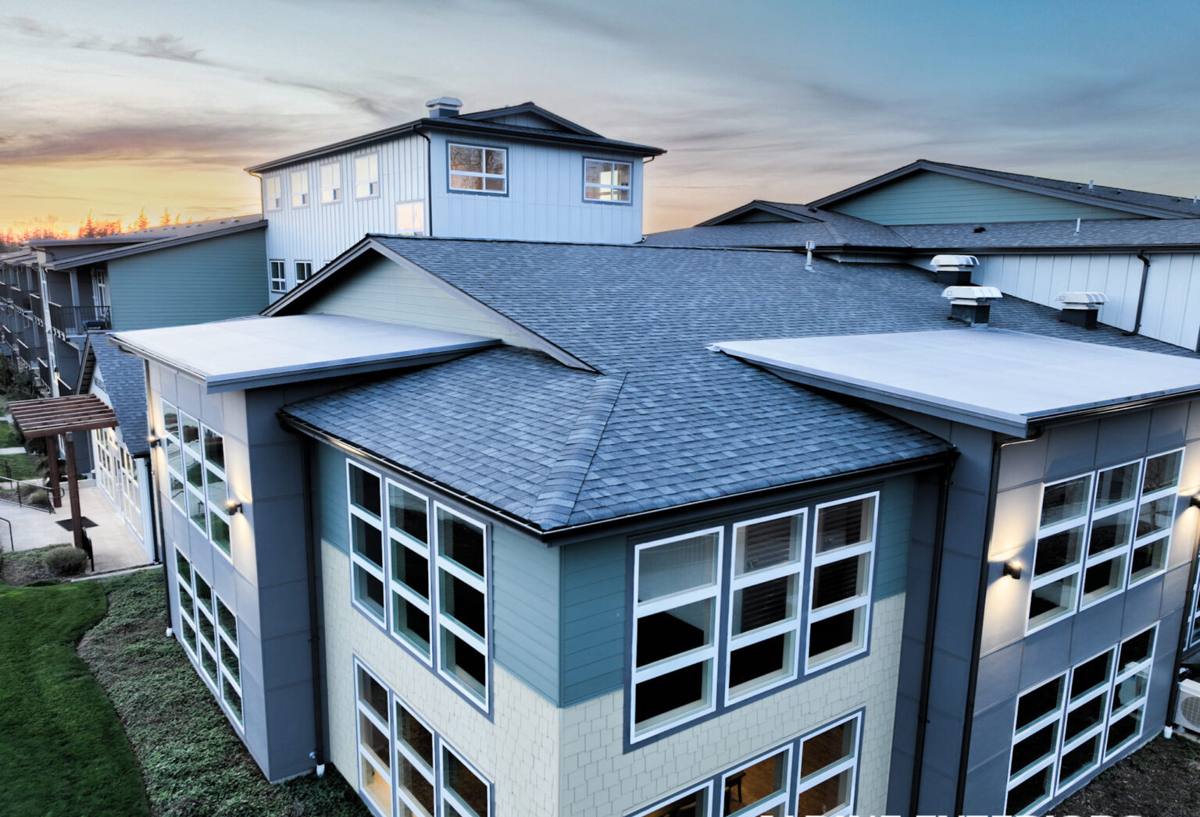
Why Local Roofs Take a Beating
Sedro-Woolley sits inland from the coast, but the marine air off Puget Sound still reaches this far up the valley. That means homes here deal with the same wet, wind-driven weather pattern as the rest of Whatcom County, just with a few local twists.
Driving Rain
Pacific storms don't just drop rain straight down here — wind pushes it sideways, which forces water up under shingle tabs, around chimney flashing, and into any gap that wouldn't matter in a calmer climate. A roof that's fine in a light shower can leak during a real storm simply because the water is hitting it at an angle instead of falling straight.
Salt-Tinged Air
Even well inland, moisture carried up the valley from the Sound can accelerate corrosion on exposed metal — nail heads, flashing, gutter fasteners, and vent caps age faster here than they would in a dry inland climate. Small rust spots on flashing are often the first visible sign that a storm has compromised the seal underneath.
A Long Moss Season
Shade, moisture, and mild temperatures give moss a long growing window in this part of Washington. Moss holds water against the roofing surface, works its way under shingle edges, and can lift tabs just enough for wind to finish the job during the next storm. A roof that looks intact from the driveway can already have moss working underneath it.
What Counts as Storm Damage
Not all storm damage is a missing shingle. On the roofs we inspect around Sedro-Woolley, damage usually falls into a few categories:
- Wind-lifted or torn shingles — tabs pulled loose or creased by gusts, breaking the seal even if the shingle is still in place
- Flashing failure — bent, rusted, or separated flashing around chimneys, skylights, and roof-to-wall transitions
- Moss-related lifting — shingle edges raised by moss growth, then torn further by wind
- Impact damage — bruised or punctured roofing from falling branches or wind-blown debris
- Gutter and edge damage — gutters pulled loose or drip edge bent, which redirects water back under the roofing instead of away from it
- Hidden decking damage — soft or delaminated sheathing where water has been getting in longer than the visible symptoms suggest
The last one matters most. A repair that only replaces the shingles you can see, without checking the decking underneath, often fails again in the next storm.
Warning Signs Worth a Closer Look
Most homeowners don't get on the roof after a storm, and they shouldn't — but there are signs visible from the ground or attic that mean it's worth having someone look:
- Shingle pieces or granules in the gutters or yard after a windstorm
- A new water stain on a ceiling or the top of an attic wall
- Daylight visible through the roof deck from inside the attic
- Gutters pulling away from the fascia or hanging unevenly
- Visible moss buildup, especially on the shaded, north-facing slope of the roof
- Flashing that looks bent, lifted, or separated around chimneys and vents
- A musty smell in the attic that wasn't there before
Any one of these is worth a call. Together, they usually mean water has already found a way in.
What a Correct Repair Involves
A storm damage repair isn't just swapping out the shingles that are obviously missing. Done right, it follows a sequence that protects the house first and fixes the roofing second.
1. Stop the Water
If a roof is actively leaking or has an open section, the first step is a temporary cover — tarping or sealing the exposed area — so no more water gets in while the repair is scheduled and completed.
2. Full Inspection, Not a Spot Check
We look beyond the obvious damage to check the surrounding shingles, the flashing, the decking, and the attic side of the roof. Storm damage rarely stays contained to one spot, and a repair that ignores the surrounding area often needs to be redone within a year or two.
3. Decking Assessment
If water has been getting in for a while, the plywood or OSB sheathing underneath may be soft, delaminated, or stained. Damaged decking has to be replaced before new roofing goes down — covering rotten decking with new shingles just hides the problem.
4. Flashing and Underlayment
Flashing and underlayment do more of the actual waterproofing work than the shingles themselves. Any repair that reuses old, corroded flashing or skips fresh underlayment in the repaired section is cutting a corner that shows up as a leak later.
5. Material Matching
Where possible, we match the replacement shingles to the existing roof in profile and color so the repair blends in rather than standing out as an obvious patch. Exact matches aren't always available if the original roof is older, and we'll tell you honestly if that's the case rather than promise a perfect match we can't deliver.
Our Process
- Call or request an estimate. Describe what you're seeing — a leak, missing shingles, storm damage — and we'll schedule an inspection.
- On-site inspection. We check the roof surface, flashing, gutters, and attic, and document what we find.
- Written estimate. You get a clear breakdown of what needs repair, what it involves, and the cost — no pressure to upsell into a full replacement if a repair will genuinely hold.
- Temporary protection if needed. If the roof is actively leaking, we address that first, before the full repair is scheduled.
- The repair. Decking replaced where needed, flashing and underlayment renewed, shingles matched and installed to manufacturer spec.
- Final check. We walk the repair and the surrounding roof area before calling the job done.
Repair or Replace? Factors to Weigh
Storm damage doesn't automatically mean a full new roof, but it's a fair question to ask. These are the main factors that push the decision one way or the other:
| Factor | Favors Repair | Favors Replacement |
|---|---|---|
| Age of existing roof | Roof is under roughly 12-15 years old | Roof is near or past its expected service life |
| Extent of damage | Damage is localized to one section | Damage is spread across multiple slopes |
| Decking condition | Sheathing is sound outside the damaged area | Widespread soft spots or rot found during inspection |
| Shingle condition elsewhere | Rest of the roof is still granule-intact and flexible | Shingles elsewhere are brittle, curling, or balding |
| Moss history | Isolated growth, roof otherwise sound | Long-term moss damage across large areas |
We'll walk you through where your roof falls on these factors during the inspection, in plain terms, so the decision is yours to make with real information.
Insurance and Storm Claims
Many storm-related roof repairs are covered under a standard homeowners policy, particularly wind and impact damage. We can document what we find during the inspection — including photos and a written description of the damage — to support a claim, but the claim itself is between you and your insurer. We're happy to meet an adjuster on-site if that's useful, and we'll always give you an honest read on the damage rather than exaggerate it to inflate a claim.
Why a Crew That Already Works Sedro-Woolley Matters
Storm damage repair isn't a specialty product — it's a skill that comes from seeing a lot of local roofs after a lot of local storms. A crew that already works in and around Sedro-Woolley knows what this area's wind patterns do to a roofline, how fast moss comes back in the shaded spots, and which flashing details tend to fail first in this climate. That local pattern recognition is what separates a repair that holds for years from one that needs a second visit next winter.
Being local also means faster response after a storm, when a lot of roofs in the area need attention at once, and it means we're still around the following year if a question comes up about the work we did.
If your roof took damage in a recent storm — or you're just not sure whether that lifted shingle is worth worrying about — we're glad to take a look. Request a free, no-pressure estimate using the form below, and we'll give you a straight answer about what your roof actually needs.