 Chuckanut
 Window Installation Built for York's Weather, Not Just Any Weather
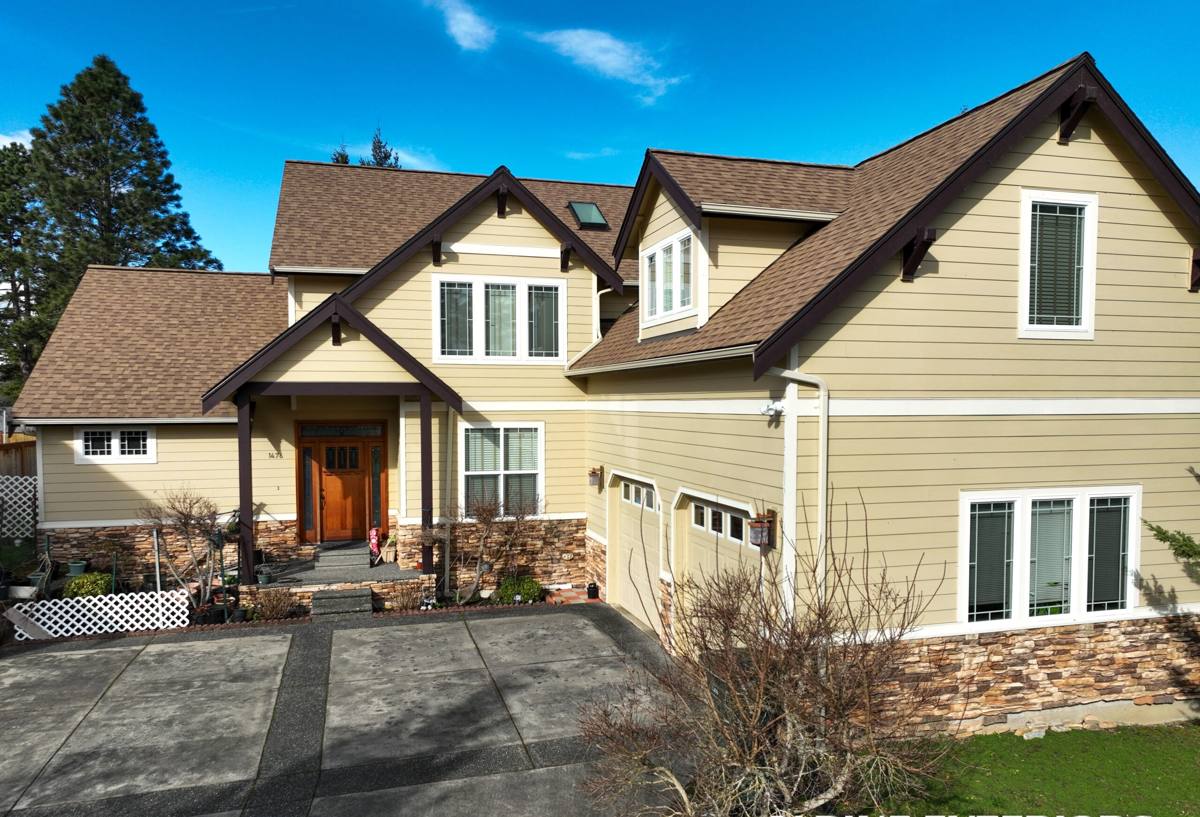
Homes in the York area near Chuckanut deal with a specific combination of conditions that most window installers don't think much about: salt-laden air off the water, long stretches of driving rain, and a moss season that can run most of the year in shaded spots. A window that's rated fine on paper can still fail early here if it's installed without accounting for how this particular corner of Whatcom County actually behaves. Good window installation in this area isn't just about picking a nice-looking unit — it's about how that window is flashed, sealed, and tied into the wall assembly so wind-driven rain and constant moisture never get behind it.
We work on homes throughout Chuckanut and the surrounding neighborhoods regularly, which means we're not guessing at how a house here will hold up. We're applying what we've already seen work — and what we've seen fail — on homes just like yours.
What Salt Air, Driving Rain, and Moss Actually Do to Windows
Salt Air and Metal Components
Salt in the air accelerates corrosion on anything metal — hinges, cranks, screws, and especially aluminum frames or cladding that isn't specifically finished to resist it. Over years, corroded hardware means windows that stick, don't seal fully, or won't lock properly. It's a slow problem, which is exactly why it gets ignored until a window won't close right anymore.
Driving Rain and Wind-Driven Moisture
This isn't a light-drizzle climate. Rain here often comes in sideways, pushed by wind off the water, which puts real pressure on window edges and the flashing behind them. A window that would be fine in a calm-rain climate can leak here if the flashing details and sealant work weren't done with wind-driven rain specifically in mind.
Moss, Shade, and Trapped Moisture
Tree cover and damp conditions mean moss and algae get a foothold on north-facing walls, sills, and anywhere water sits instead of draining. Moss holds moisture against wood trim and siding far longer than plain rain does, which is what turns a cosmetic issue into a rot problem around window openings if it's not kept in check.
Signs a York-Area Home's Windows Need Attention
Some of these show up gradually, so it helps to know what to actually look for:
- Soft or discolored wood trim around the window frame, especially on the bottom sill
- Fogging or a permanent haze between the panes of a dual-pane window (a sign the seal has failed)
- Windows that are hard to open, close, or lock — often a sign of swelling, corrosion, or a frame that's shifted
- Visible moss or dark staining running down from the window onto siding below
- Drafts or a noticeable temperature difference near the window on windy days
- Paint or finish peeling or bubbling specifically around the window opening, not the whole wall
- Condensation forming on the inside of the glass regularly, even in mild weather
Any one of these on its own might just need monitoring. Several together, especially around the same window, usually means water has been getting in for a while.
What a Correct Installation Actually Involves
It Starts Before the Window Goes In
Most window failures we get called out to fix weren't caused by a bad window — they were caused by a rushed installation. The opening has to be checked for existing rot or moisture damage, the weather-resistive barrier has to be properly integrated with the flashing (not just taped over gaps), and sill pans need to direct any water that does get past the window back out, not into the wall cavity. Skipping any of this is exactly how a brand-new window ends up with a leak two winters later.
Flashing Sequencing Matters More Than the Window Brand
Flashing has to be layered so water always sheds outward and downward — sill pan first, then side flashing, then the window, then head flashing over the top, integrated with the house wrap in the correct shingle-lap order. In a climate with regular wind-driven rain, getting this sequence wrong is the single most common cause of hidden leaks, regardless of how good the window itself is.
Sealants and Materials Suited to This Climate
Not every caulk or sealant is meant to handle constant damp cycling and salt exposure. We use sealants and fasteners rated for exterior, coastal-adjacent conditions, and we avoid hardware that's known to corrode quickly in salt air. It costs a little more up front and saves a lot of grief later.
Choosing a Window Frame Material for This Area
There's no single "best" window material — it depends on your home's exposure, your maintenance appetite, and your budget. Here's how the common options actually compare for a home dealing with salt air, wind-driven rain, and moss:
| Frame Material | Moisture & Salt Air Behavior | Maintenance | Typical Lifespan Here |
|---|---|---|---|
| Vinyl | Won't corrode or rot; performs well against salt air | Low — occasional cleaning | 20–30+ years |
| Fiberglass | Very stable in wet, salty, temperature-swinging conditions | Low | 30+ years |
| Wood (unclad) | Needs consistent upkeep to resist rot and moss in shaded, damp spots | High — refinishing and sealing on a schedule | Varies widely with maintenance |
| Wood-clad (vinyl or aluminum-clad) | Good if cladding and seals are intact; failure points are at joints | Moderate — watch the cladding seams | 20–30 years with care |
| Aluminum (uncoated or poorly finished) | Prone to corrosion and pitting in salt air over time | Moderate to high | Shorter in this climate unless properly finished |
For most York-area homes, we lean toward vinyl or fiberglass because they hold up with the least ongoing effort. That said, if you're matching a historic look or an existing wood-frame aesthetic, wood-clad options can still work — you just need to go in knowing the maintenance commitment.
Our Process for a York Window Installation Project
1. On-Site Assessment
We look at each opening individually — not every window on a house is in the same condition. We check for existing water damage, rot, and how exposed each window is to wind and rain based on its direction and any nearby shade or tree cover.
2. Product Selection Based on Exposure, Not Just Preference
We'll walk you through frame material, glass options (dual-pane with low-E coatings and argon fill is standard for this climate), and trim details, weighted toward what actually holds up on the more exposed sides of your home.
3. Removal and Opening Prep
Old windows come out carefully so we can inspect the framing underneath. Any soft or water-damaged wood gets addressed before a new window ever goes in — installing a new window over a compromised opening just hides the problem.
4. Flashing, Sealing, and Installation
This is where the climate-specific work happens: correct flashing sequence, sill pans, and sealants suited to salt air and constant moisture cycling, all integrated properly with your home's existing weather barrier.
5. Final Check and Cleanup
We test operation, sealing, and locking hardware on every window before we consider the job done, and we clean up the site fully — inside and out.
Why It Matters That We Already Work in York
A crew that's worked on homes throughout the Chuckanut area already knows which directions catch the worst wind-driven rain, where moss tends to build up fastest, and what kind of framing and construction is common in homes here. That's not something you can fully substitute with a general checklist — it's built from doing this work repeatedly in this specific area. It also means we're familiar with Whatcom County permitting expectations for window replacement, so there aren't surprises mid-project.
Being local also means we're not disappearing after the invoice is paid. If a question comes up after the install, we're a short drive away, not a call center.
Protecting Your Investment After Installation
A correct installation does most of the work, but a little upkeep keeps everything performing the way it should:
- Rinse salt residue off frames and glass periodically, especially on wind-exposed sides
- Keep gutters and downspouts clear so water isn't sheeting down over window heads
- Trim back vegetation that's shading a window and keeping it damp longer than it should be
- Check and touch up exterior caulking every year or two, since sealants do wear over time
- Clear moss or algae off sills and trim before it spreads onto the window itself
Ready for an Honest Look at Your Windows?
If you're dealing with drafty, foggy, or hard-to-operate windows in the York area, or you're just planning ahead before the next rainy season, we're happy to take a look. There's no pressure and no obligation — just a straightforward assessment of what your home actually needs. Use the form below to request a free estimate.