 Chuckanut
 Asphalt Shingle Roofing Built for Silver Beach's Marine Climate
Silver Beach sits close enough to the water that homes here deal with a different set of stresses than roofs a few miles inland in Chuckanut or elsewhere in Whatcom County. Salt-laden air, wind-driven rain off Bellingham Bay, and a moss season that can run most of the year all work against a roof that wasn't built or installed with those conditions in mind. Asphalt shingle roofing remains one of the most practical, cost-effective choices for this neighborhood — but only when the materials, ventilation, and installation details are matched to what Silver Beach actually throws at a house.
This page covers what we look at specifically for asphalt shingle roofing jobs in Silver Beach: the climate factors that matter, what a correct installation includes, how our process works, and what to expect in terms of upkeep and lifespan in this particular setting.
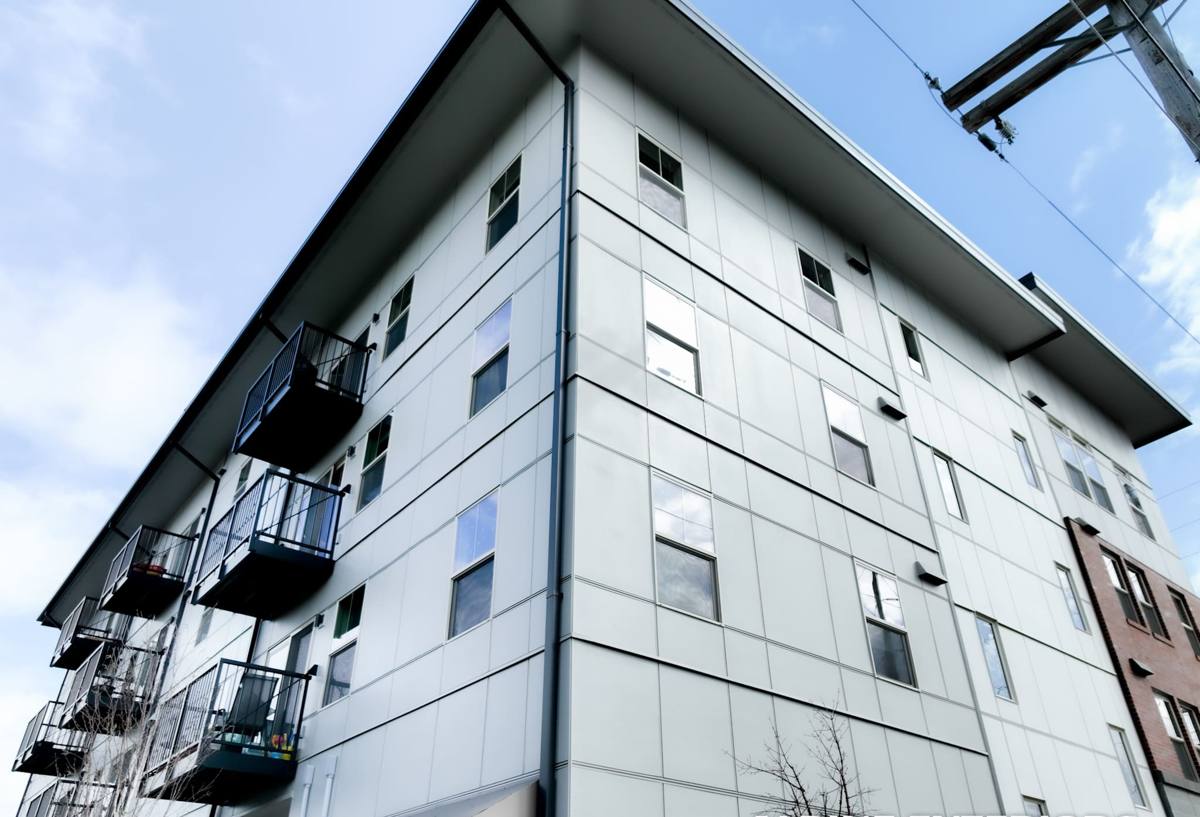
What Silver Beach's Climate Does to a Roof
Salt Air and Metal Fasteners
Proximity to saltwater means airborne salt settles on every exterior surface, including the roof. Over years, salt exposure accelerates corrosion on unprotected metal — flashing, fasteners, and drip edge in particular. A roof that would perform fine inland can show premature rust streaking and metal fatigue in a waterfront-adjacent neighborhood like Silver Beach if the wrong-grade metal or fasteners were used.
Driving Rain and Wind
Whatcom County gets plenty of rain generally, but homes near open water also catch more wind-driven rain — rain that doesn't fall straight down but gets pushed sideways under normal circumstances that would keep a standard shingle roof dry. That matters at every horizontal seam, valley, and penetration on the roof, where water can be pushed uphill under a shingle tab if the underlayment and flashing details aren't done right.
A Long Moss Season
Western Washington's mild, damp climate is close to ideal for moss growth, and shaded, north-facing roof slopes near the water stay damp longer into the season than roofs in drier, sunnier parts of the county. Moss isn't just cosmetic — it holds moisture against the shingle surface, lifts shingle edges as it grows, and can shorten the effective life of a roof significantly if left unaddressed.
What a Correct Asphalt Shingle Installation Includes
A shingle roof is only as good as the layers homeowners never see. For a Silver Beach home, we treat the following as non-negotiable, not upgrades:
- Ice-and-water shield at vulnerable areas — valleys, eaves, and around all penetrations, where wind-driven rain is most likely to find a way in
- Synthetic underlayment rated for the full roof field, not just felt paper, for better wind and moisture resistance during the install and over the life of the roof
- Corrosion-resistant flashing and fasteners appropriate for coastal-adjacent exposure, not standard-grade material chosen on price alone
- Balanced intake and exhaust ventilation so moisture-laden attic air actually gets out, rather than condensing under the roof deck
- Proper nailing pattern and shingle exposure per manufacturer specification — the single biggest factor in whether a shingle roof holds up in wind
None of this is unusual or exotic. It's simply doing the ordinary parts of a shingle installation correctly and matching material grade to the environment, rather than treating every roof in the county the same way.
Choosing the Right Shingle for a Waterfront-Adjacent Home
Not every asphalt shingle product is a good fit for a home exposed to salt air and heavy moss pressure. Algae-resistant (AR) shingles, which use copper- or zinc-infused granules, are worth the modest upcoming cost difference in this specific setting because they actively resist the moss and algae growth that plagues shaded, damp roof slopes near the water. We treat AR shingles as close to standard for Silver Beach rather than an optional add-on.
| Factor | Standard 3-Tab Shingle | Algae-Resistant Architectural Shingle |
|---|---|---|
| Moss/algae resistance | None built in | Copper/zinc granules actively resist growth |
| Wind rating | Lower, lighter profile | Higher, heavier laminated construction |
| Typical lifespan locally | Shorter given moss pressure | Longer with proper maintenance |
| Upfront cost | Lower | Moderately higher |
| Best fit | Budget-driven, low-moss slopes | Shaded, waterfront-adjacent homes like Silver Beach |
We don't push the most expensive option on every job. On a sunny, well-ventilated south-facing slope with little tree cover, a standard shingle can still perform well. The decision should be based on the specific roof's exposure, not a blanket recommendation, and we'll walk through that with you before quoting anything.
Our Installation Process for Silver Beach Homes
1. Roof and Attic Assessment
Before quoting a tear-off and reroof, we look at the existing deck condition, current ventilation setup, moss and algae staining patterns (which tell us which slopes need the most protection), and any signs of past leaks around flashing or penetrations.
2. Tear-Off and Deck Inspection
Old roofing comes off down to the deck so we can actually see what's underneath — soft spots, water staining, or rot that wouldn't show up from a surface inspection. Any damaged decking gets replaced before anything new goes down; covering up a compromised deck is how roofs fail early.
3. Underlayment and Flashing
This is where the climate-specific decisions from the sections above get applied — ice-and-water shield at vulnerable points, synthetic underlayment across the field, and corrosion-resistant flashing and fasteners throughout.
4. Ventilation Check and Correction
We verify intake and exhaust ventilation is balanced for the attic's size. Undersized or blocked ventilation is a common reason shingle roofs fail early in damp climates, since trapped moisture attacks the deck and shingles from underneath.
5. Shingle Installation
Shingles go down to manufacturer nailing and exposure specifications, with extra attention to valleys, hips, ridges, and any wall-to-roof transitions where wind-driven rain concentrates.
6. Final Walkthrough
We walk the completed roof and go over what was done, what the maintenance expectations are, and what warranty coverage applies before we consider the job finished.
Living With an Asphalt Shingle Roof Near the Water
Even a correctly installed roof needs some ongoing attention in this environment. A short seasonal checklist helps homeowners get the full lifespan out of their investment:
- Have moss physically removed (not just chemically treated) from shaded slopes before it establishes and lifts shingle edges
- Keep gutters clear so water isn't backing up under the shingle edge during heavy rain events
- Trim back overhanging branches to reduce shade and debris buildup on north-facing slopes
- Watch for granule buildup in gutters, which can signal shingle wear worth having inspected
- Have flashing and fasteners visually checked periodically for early signs of corrosion given the salt exposure
- Address any small leak signs — ceiling stains, damp attic insulation — promptly rather than waiting for a full failure
None of this requires a large annual budget, but skipping it in a moss-heavy, salt-air environment shortens a roof's life more than it would elsewhere in the county.
Why the Installation Crew Matters as Much as the Shingle
Two roofs using the identical shingle product can perform very differently depending on how the flashing, underlayment, and ventilation were handled. A crew that regularly works Silver Beach and the surrounding waterfront-adjacent parts of Whatcom County already knows which slopes tend to hold moisture, which flashing details need extra attention given the wind exposure, and which shingle grade actually makes sense for a given roof rather than defaulting to whatever is cheapest to install. That familiarity shows up years later in fewer callbacks and a roof that's still doing its job through the next moss season.
What Affects the Cost of a Shingle Roof in This Area
| Cost Factor | Why It Matters Locally |
|---|---|
| Roof pitch and access | Steeper or harder-to-access roofs near the water take longer and require more safety setup |
| Deck condition underneath | Rot or soft decking discovered during tear-off adds material and labor |
| Shingle grade chosen | Algae-resistant, higher wind-rated shingles cost more upfront but reduce moss-related maintenance |
| Ventilation upgrades needed | Older homes often need intake or exhaust vents added or corrected |
| Flashing and fastener grade | Corrosion-resistant material costs more but matters more this close to saltwater |
| Number of valleys and penetrations | Each one is a labor-intensive detail point, and Silver Beach homes with complex rooflines have more of them |
We don't quote roofs off a flat per-square rate without seeing the actual roof — the factors above can shift a bid meaningfully, and we'd rather give an honest number after a real look than a low estimate that changes once the tear-off starts.
Warranty and What to Expect Afterward
Asphalt shingle products carry manufacturer warranties covering material defects, and workmanship on the installation itself is a separate matter we stand behind directly. We'll go over both in plain terms before the job starts, including what voids manufacturer coverage (things like improper prior repairs or lack of ventilation) so there are no surprises later. A roof near the water in this climate should still be performing well well past a decade with reasonable maintenance — the goal of doing the underlayment, flashing, and ventilation correctly the first time is exactly to get that lifespan out of the investment.
If you're weighing a reroof or repair for a home in Silver Beach, we're happy to take a look and give you a straightforward, no-pressure estimate — just fill out the form below.