 Chuckanut
 Building Decks That Actually Hold Up in Bellingham
A deck in Bellingham lives a harder life than a deck almost anywhere inland. It sits low to the ground, catches whatever the Salish Sea throws at it, and spends a good chunk of the year damp instead of dry. We're a Chuckanut-based crew that works Bellingham regularly, and the decks we build here are designed around that reality from the framing up, not just picked off a catalog page and installed the same way we'd install one somewhere with a drier, calmer climate.
This page is about one thing: custom deck construction for Bellingham homes. Not a general overview of decking products, not a company-wide services list. What follows is what we've learned building and repairing decks in this specific stretch of Whatcom County, what a correctly built deck here actually requires, and how our process works from first call to final walkthrough.
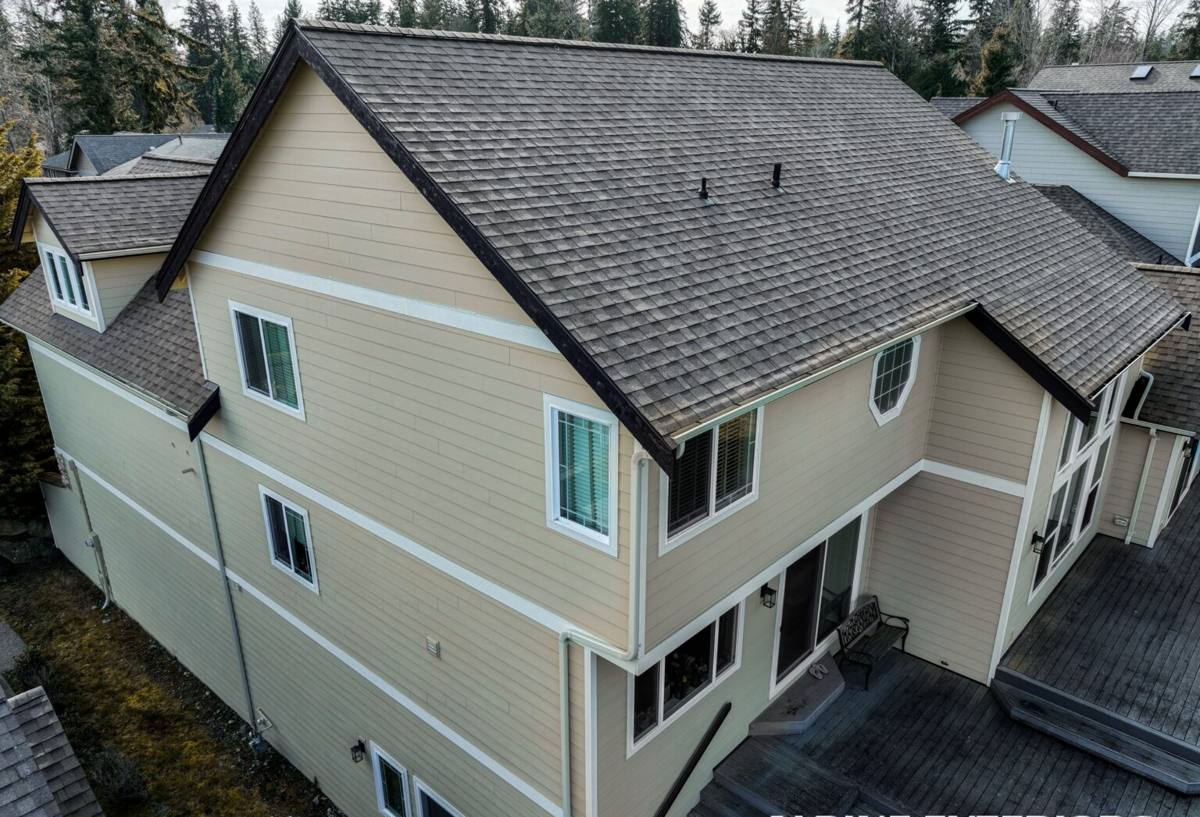
What Bellingham's Climate Does to a Deck
Salt Air and Slow Corrosion
Bellingham's proximity to the bay means a steady drift of salt-tinged, moisture-laden air moving across exposed structures, decks included. That kind of exposure is hard on fasteners, brackets, and any metal hardware that isn't properly rated for it. It's not dramatic damage you'd notice in year one. It's the slow kind: a ledger bolt that starts weeping rust streaks down the fascia board, a joist hanger that corrodes quietly under a deck board where nobody's looking, until a few years in when something that should have lasted two decades needs attention it shouldn't yet need.
Driving Rain and Standing Water
Rain here doesn't just fall, it gets pushed sideways by wind off the water often enough that it matters for how a deck is built. Water finds its way onto horizontal surfaces, into fastener holes, and along ledger connections from angles a calmer climate wouldn't test. A deck surface that doesn't shed water efficiently, or a substructure without real drainage planning underneath it, ends up holding moisture against wood and hardware far longer than it should. That prolonged wetness is the actual root cause behind most of the deck failures we see, not any one single storm.
A Long Moss Season
Mild temperatures, consistent dampness, and tree cover across much of Bellingham add up to a moss and algae season that can run most of the year on shaded decks, particularly ones under trees or on the north side of a house. Moss isn't just cosmetic. It holds moisture against the deck surface, and on wood decking it accelerates rot in exactly the boards that already get the least sun to dry out between rains.
What a Correctly Built Deck Requires Here
None of this is exotic. It's a handful of details that matter more in this climate than they would somewhere drier, and skipping any one of them is usually where a deck's problems start.
- Ledger flashing done right: The ledger board connection to the house is the single most common failure point on decks anywhere, and in a climate this wet, a poorly flashed ledger lets water track directly into the house's structural framing, not just the deck.
- Stainless or coated hardware rated for coastal exposure: Standard galvanized fasteners can corrode faster than expected this close to the bay. We spec hardware rated for the actual exposure, not the cheapest option that meets a generic code minimum.
- Proper drainage under the deck: Grading, gaps, and in some cases a drainage system underneath the joists so water doesn't pool against the substructure.
- Board spacing and airflow: Decking that's gapped and ventilated properly dries out between rain events instead of staying damp, which slows both rot and moss growth.
- Footings sized and set for local soil and frost conditions: Undersized or poorly set footings shift over time, especially with the wet-dry cycling this climate puts them through.
Decking Material Choices for This Climate
We build with both wood and composite decking, and which one makes sense depends on the homeowner's priorities, not a one-size answer. Here's how they actually compare in Bellingham's specific conditions.
| Factor | Wood Decking (Cedar / Pressure-Treated) | Composite Decking |
|---|---|---|
| Moisture behavior | Absorbs and releases moisture; needs sealing and airflow to manage it | Doesn't absorb water into the board itself; more consistent in wet cycling |
| Moss and algae resistance | More prone to surface growth in shaded, damp spots without regular cleaning | Better resistance, though shaded composite still needs occasional cleaning |
| Maintenance | Periodic sealing or staining to keep water out and control graying | Occasional washing; no sealing or staining required |
| Upfront cost | Generally lower material cost | Higher material cost, offset over time by lower maintenance |
| Appearance over time | Natural look that changes with weathering unless maintained | Consistent color and texture over the life of the product |
| Repairability | Individual boards are simple and inexpensive to replace | Board replacement is straightforward but material cost is higher |
Neither is the wrong answer. A well-maintained cedar deck can look excellent for years in this climate, but it takes an actual maintenance habit from the homeowner, sealing every couple of years and staying ahead of moss. Composite costs more up front and asks less of you afterward. We'll walk through both honestly during the estimate rather than pushing whichever one has a better margin.
Where Composite Decking Makes the Most Sense
Composite tends to be the better fit on decks with heavy shade, limited airflow, or a homeowner who travels or simply doesn't want a recurring maintenance task on the calendar. It handles the freeze-thaw and wet-dry cycling common here without the periodic upkeep wood needs to perform the same way.
Where Wood Still Makes Sense
Wood is often the right call on a budget-conscious project, a smaller deck where the maintenance time commitment is minor, or for homeowners who specifically want the look and feel of real wood and are willing to maintain it. Cedar in particular holds up reasonably well here when it's detailed and sealed correctly from the start.
Framing and Structure: What's Under the Boards Matters More Than the Boards
A lot of deck problems we get called out to inspect aren't decking problems at all, they're framing problems that finally showed up on the surface. Joists that were undersized for the span, a ledger that was never properly flashed, footings that were poured too shallow for the load and soil conditions. The decking on top can be brand new and still be sitting on a structure that's failing underneath it.
We frame every custom deck to actual load and span requirements for the design, not a generic minimum, and we use hardware and fasteners rated for this climate's exposure throughout the substructure, not just where it's visible. A deck's structure is the part nobody sees after the job is done, which is exactly why it has to be right the first time.
Our Process for a Bellingham Deck Project
1. On-Site Assessment
We walk the property, look at grade, sun and shade exposure, existing structure if there's a deck to replace, and talk through what the homeowner actually wants to use the space for. A deck built for quiet morning coffee is a different design problem than one built for entertaining a crowd.
2. Design and Material Conversation
We go over layout, decking material options, railing style, and any structural considerations specific to the site, including how the deck ties into the house and how water will move around and under it.
3. Straightforward Written Estimate
You get a clear scope and price before any work starts. No vague allowances that turn into change orders once the framing is open.
4. Permitting
Deck projects in and around Bellingham typically require a permit depending on size, height, and attachment to the structure. We handle that process so the finished deck is legal, inspected, and won't cause problems if you sell the house later.
5. Demolition and Framing
If there's an existing deck, we remove it and inspect what's underneath, ledger connection, house framing, and soil condition, before building new. New framing goes in to spec, with hardware and flashing detailed for this climate specifically.
6. Decking, Railing, and Finish Work
Decking is installed with proper spacing and fastening for the material chosen, railing goes in to code, and we do a final walkthrough with the homeowner before calling the job done.
Deck Maintenance in a Wet Climate
Even a well-built deck needs some ongoing attention here, and what that looks like depends on the material.
- Wood decks: Plan on cleaning and re-sealing every one to three years depending on sun exposure and how much shade and moss pressure the deck sees.
- Composite decks: An occasional wash to keep pollen, moss spores, and debris from building up in the texture, no sealing needed.
- Both materials: Keep gutters and downspouts near the deck clear so runoff isn't dumping directly onto or under the structure, and keep vegetation trimmed back to let air and sun reach shaded sections.
- Both materials: Check under-deck drainage and ledger flashing periodically, especially after a hard winter, since that's where slow problems tend to start.
Why a Local Chuckanut Crew Matters for This
We're not driving in from outside the region to quote a deck and disappear once it's built. We work Bellingham and the surrounding Chuckanut area regularly, which means we've already seen how decks in this specific climate age, where they tend to fail, and what actually holds up over time versus what looks fine on installation day and struggles by year three. That local, repeated exposure to this exact weather pattern is worth more than a generic national spec sheet, because the spec sheet doesn't know what Bellingham's rain and moss season will do to a fastener or a ledger connection over a decade.
Being local also means we're accountable after the job is done. If something needs a look two years down the road, we're not far away, and we're not a name you have to track down through a call center. That matters on a structure that's outdoors, load-bearing, and exposed to weather every single day it stands.
Getting Started
If you're planning a new deck or replacing one that's showing its age, we're happy to come take a look, walk the site, and talk through what makes sense for your home and how you actually plan to use the space. Reach out for a free, no-pressure estimate using the form below.