 Chuckanut
 Window Replacement Built for Bellingham's Weather
Bellingham sits close enough to Bellingham Bay and the Salish Sea that salt-laden air is a fact of life for anyone who owns a home here. Add Whatcom County's long wet season, driving rain off the water, and months of shade and moss growth on north-facing walls, and you have a climate that is genuinely hard on windows. Frames swell and stick, seals fail early, and hardware corrodes faster than it would twenty miles inland. When we replace windows in Bellingham, we're not installing the same product we'd put in a dry climate and hoping for the best — we're choosing materials and installation details specifically because they hold up here.
This page covers window replacement as its own service for Bellingham homeowners: what the local climate demands, what a correct installation actually involves, and how our process works from first look to final walkthrough.
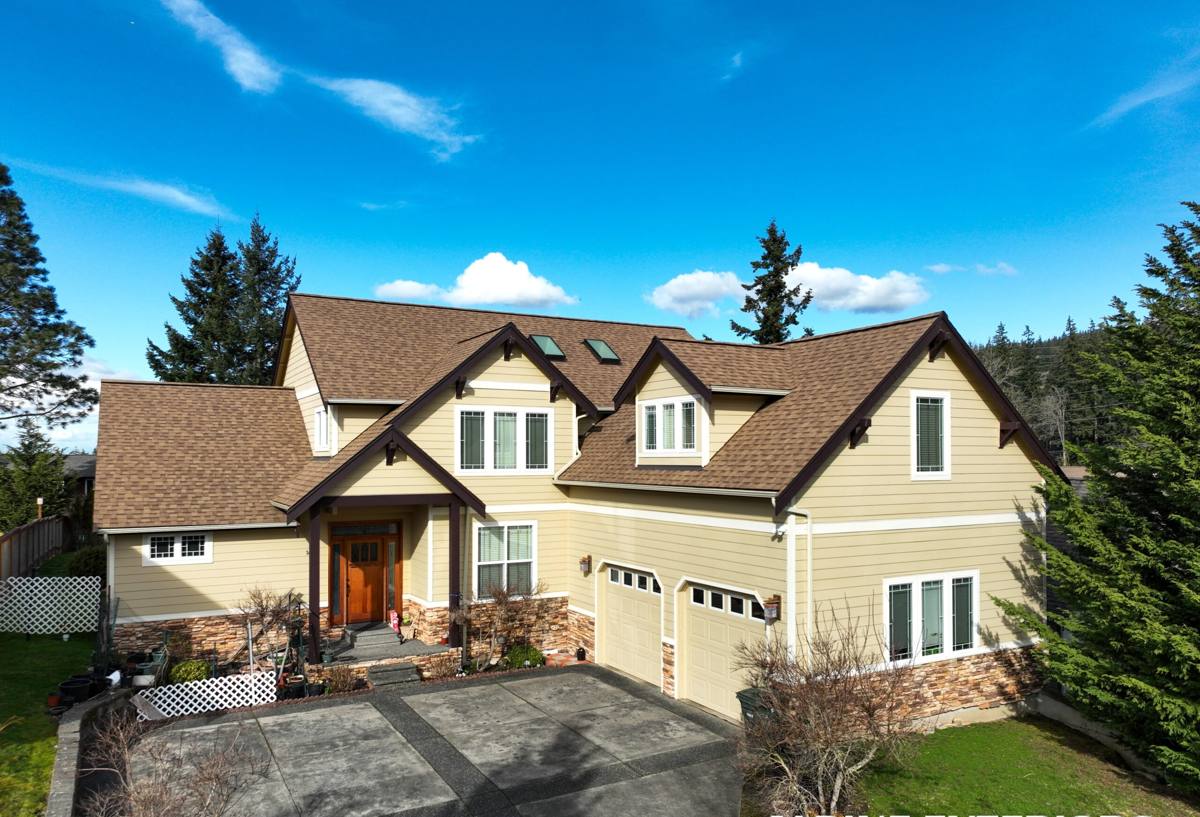
What Bellingham's Climate Does to Windows
Salt Air and Corrosion
Homes closer to the water take on airborne salt that settles on frames, hardware, and screens. Over years, that salt accelerates corrosion on lower-grade fasteners, hinges, and locking mechanisms, and it can dull or pit finishes that aren't rated for coastal exposure. This is one of the reasons we pay attention to hardware quality and finish specs, not just glass and frame material.
Driving Rain and Wind-Driven Moisture
Storms coming off the water don't just fall straight down — wind pushes rain sideways into wall assemblies, and that's where most window failures actually start. A window can have great glass and still leak if the flashing, sill pan, and sealant details around it are wrong. In our experience, most "bad window" complaints in this area are really installation and flashing problems, not product problems.
Moss, Shade, and Prolonged Dampness
Whatcom County's long moss season means shaded walls and window trim stay damp longer than homeowners often realize. Wood trim and sills that don't dry out between rain events are more prone to rot, and moss or algae growth around window edges can trap moisture against the frame. Material choice and proper drainage paths matter more here than they would in a drier climate.
Temperature Swings and Condensation
Bellingham doesn't get extreme heat, but damp, cool air combined with warm indoor heating in winter creates real condensation potential on older, poorly sealed windows. Homeowners often notice this as fogged glass or moisture pooling on sills — a sign the old window's seal or glazing has failed.
Signs It's Time to Replace, Not Repair
- Fogging or a visible haze between panes of double-pane glass — the seal has failed and can't be fixed, only replaced
- Frames that are soft, discolored, or show rot when pressed near the sill or corners
- Windows that won't stay open, won't latch fully, or have swollen shut with humidity
- Visible daylight or a draft you can feel around the frame when it's closed
- Hardware that's rusted, pitted, or seized from salt exposure
- Noticeably higher heating bills with no other explanation
- Condensation forming between panes, or consistently on the inside glass, even with reasonable indoor humidity
Not every issue on this list means full replacement — a stuck sash or worn weatherstripping can sometimes be repaired. But once the seal has failed or the frame has moisture damage, repair is a temporary patch, not a real fix.
What a Correct Window Replacement Involves
Swapping in a new window without addressing the opening around it is how leaks happen two years later. A proper replacement in this climate includes:
Inspecting the Rough Opening
Before anything goes in, we check the framing and sheathing around the existing window for hidden water damage or rot. In a wet climate like this, it's common to find soft wood or old damage that was hidden behind trim — better to find and address it now than to seal a new window over a problem.
Flashing and Sill Pan Details
This is the step that determines whether a window leaks in a driving rainstorm. A correctly flashed opening directs any water that gets past the window back out, not into the wall cavity. We use a sill pan and properly lapped flashing so water sheds down and out, following standard weatherproofing sequencing rather than relying on caulk alone to keep water out.
Air Sealing and Insulation
The gap between the window frame and rough opening needs to be sealed and insulated correctly — not overpacked with expanding foam, which can bow frames, and not left with big gaps that waste energy and let in drafts.
Frame, Glass, and Hardware Selection
We match the frame material, glass package, and hardware to the specific exposure of that wall. A window on a shaded, damp north wall may call for different material considerations than one on a sun-exposed south wall.
Interior and Exterior Finish Work
Trim, caulking, and paint or stain lines get finished cleanly on both sides, so the new window looks intentional rather than like a patch job.
Choosing the Right Materials for a Coastal-Influenced Climate
There's no single "best" window material for every home — it depends on exposure, budget, and the look you want. Here's how the common options generally hold up under Bellingham conditions:
| Frame Material | How It Handles This Climate | Maintenance Considerations |
|---|---|---|
| Vinyl | Good moisture resistance, doesn't rot or corrode; a common, cost-effective choice here | Low maintenance; quality varies significantly by manufacturer and reinforcement |
| Fiberglass | Very stable in wet, temperature-swinging conditions; resists warping and expansion | Low maintenance; typically a higher upfront cost than vinyl |
| Wood (clad or unclad) | Classic look, but bare wood is more vulnerable to our long wet season without diligent upkeep | Higher maintenance; clad exteriors reduce exposure but interior wood still needs attention |
| Aluminum | Durable but a poor insulator and prone to condensation in our damp, cool climate; we generally steer homeowners away from it for that reason | Low structural maintenance, but condensation and thermal performance are ongoing concerns |
We'll talk through these trade-offs honestly for your specific home and budget rather than pushing one material for every job — the right choice depends on which walls are exposed to weather, how the home is used, and what you're trying to solve.
Our Window Replacement Process in Bellingham
- On-site assessment. We look at your current windows, the condition of the openings, and the specific exposure of each wall — a west-facing wall catching driving rain gets different attention than a sheltered interior courtyard.
- Honest recommendation. We tell you which windows genuinely need replacement now, which can wait, and which are just cosmetic concerns — not everything needs to happen in one project.
- Written estimate. Clear pricing and scope before any work starts, no surprise add-ons.
- Careful removal. Old windows come out without damaging surrounding siding or trim any more than necessary.
- Correct installation. Sill pan, flashing, air sealing, and window set to manufacturer spec and proper weatherproofing sequence.
- Finish work. Interior and exterior trim, caulking, and touch-up so the result looks finished, not patched.
- Final walkthrough. We check operation, seals, and finish with you before we call the job done.
Why Hiring a Crew That Already Works in Bellingham Matters
Window replacement isn't just a product install — it's a weatherproofing job first. A crew that mainly works drier inland climates may not think twice about flashing details that matter enormously here, because in their normal work, a small gap or shortcut doesn't get tested by wind-driven rain the way it does near the water. A crew that regularly works Whatcom County homes already knows:
- Which wall orientations in this area take the worst weather and need extra attention to flashing and sealant
- How moss and prolonged dampness affect trim and sill materials over time
- Which hardware and finishes hold up against salt air without premature corrosion
- How to sequence work around this region's rain patterns so openings aren't left exposed longer than necessary
That local familiarity shows up less in what a window looks like on install day and more in whether it's still performing correctly five or ten years later.
Cost Factors to Expect
Window replacement pricing varies by window size, frame material, glass package, and how much work the opening needs beyond a simple swap. Rather than quote a number that won't fit your specific home, here are the main factors that move the price:
| Factor | Why It Affects Cost |
|---|---|
| Frame material | Vinyl is generally the most budget-friendly; fiberglass and clad wood cost more upfront |
| Number of windows | Per-window cost often drops slightly on larger multi-window projects due to shared setup and labor efficiency |
| Condition of the rough opening | Hidden rot or framing damage found during removal adds repair scope before the new window can go in |
| Glass package | Upgraded glazing for noise, energy performance, or condensation resistance costs more than standard double-pane |
| Window style | Fixed windows are simpler than operable double-hung, casement, or sliding units with more hardware |
| Trim and siding tie-in | Matching existing trim profiles or siding material adds finish labor |
A Few Things to Check Before You Hire Anyone
- Ask specifically how they'll flash and seal the opening — a vague answer is a red flag in this climate
- Confirm they carry proper licensing and insurance for work in Washington
- Ask what happens if they find rot or damage once the old window is out — get that answer in writing as part of the estimate process
- Get the warranty terms for both the window product and the installation labor in writing, and understand which one covers what
- Ask how they handle cleanup and protecting your landscaping and interior during the work
If your Bellingham home has windows showing fog, drafts, sticking frames, or visible wear, we're happy to take a look and give you a straightforward assessment of what's actually needed — no pressure, no upsell. Reach out for a free estimate using the form below, and we'll walk your home's windows with you and talk through what we'd recommend and why.