 Chuckanut
 Deck Building in Bow: Designed for Where You Actually Live
Bow sits close enough to the water that salt air is part of daily life, and close enough to the foothills that rain and shade linger longer than they do a few miles inland. A deck built here has to handle a different combination of stresses than a deck built in a dry inland town, and a lot of the decks we get called out to repair were built using generic techniques that never accounted for that. This page is about what it actually takes to build a deck in Bow that holds up — not a general overview of decks everywhere.
We work throughout Chuckanut and the surrounding Whatcom County communities, and Bow is a regular stop for us. That matters more than it sounds like it should: knowing which yards drain slowly, which lots catch the worst of the marine wind, and which framing details tend to fail first here saves you from paying for someone else's learning curve.
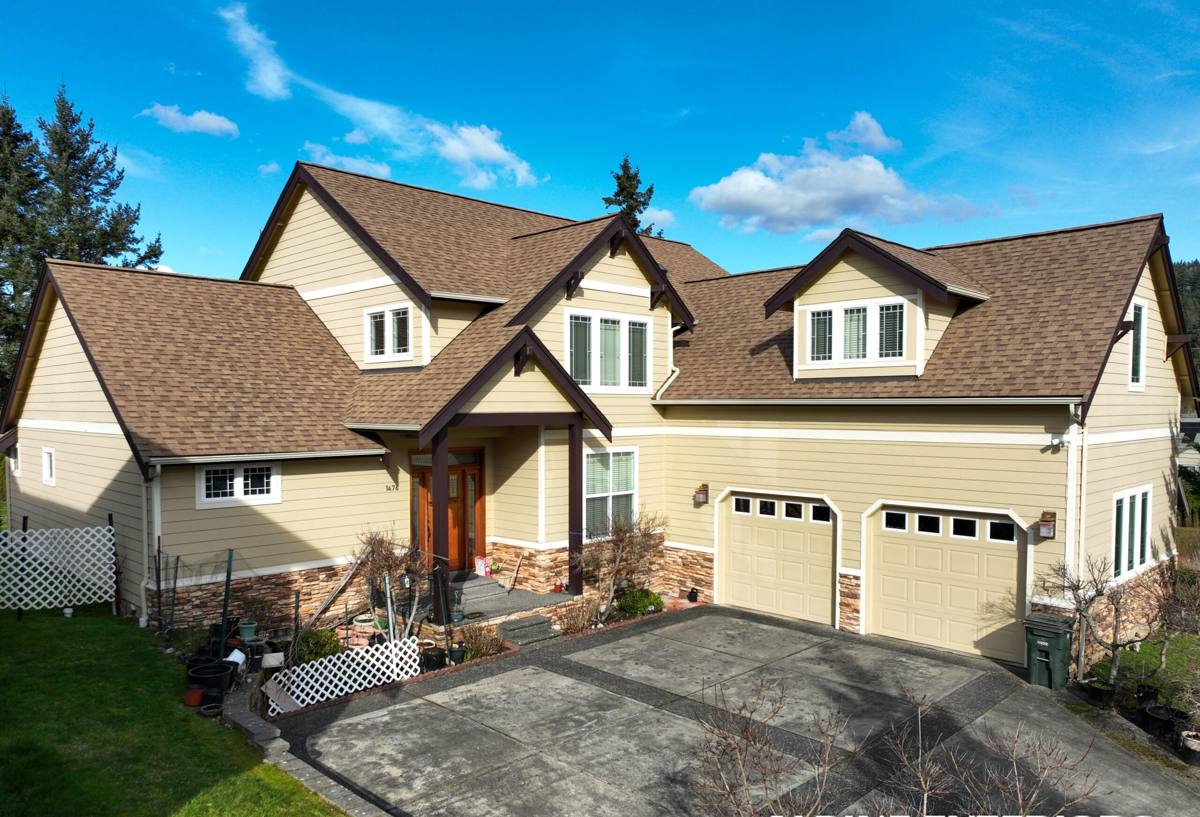
What Salt Air, Driving Rain, and Moss Actually Do to a Deck
These three factors don't act alone — they compound each other, and that's what shortens the life of a poorly built deck.
Salt Air
Airborne salt accelerates corrosion on any exposed metal — nails, screws, joist hangers, bolts, and railing hardware. Standard zinc-coated fasteners that would last decades inland can start showing rust streaks and pitting within a few seasons this close to the water. Once a fastener corrodes, it loses holding strength long before it looks obviously bad, which is exactly why hardware choice is a structural decision, not a cosmetic one.
Driving Rain
Rain that comes in sideways, driven by wind off the water, finds its way into joints and seams that vertical rain would never reach. It gets behind fascia boards, under poorly flashed ledger boards, and into end grain that isn't sealed. Once moisture gets trapped in a board or a framing member, it doesn't dry out quickly in our climate — and wood that stays damp for weeks at a time is wood that rots.
Moss and Algae
Chuckanut's long wet season and tree cover give moss and algae months to establish themselves on any horizontal surface that doesn't dry out fast. Beyond looking bad, moss holds moisture against the decking surface and makes boards genuinely slippery — a real safety issue on stairs and near entry doors. Decking with poor drainage gaps or facing the wrong orientation to sun and airflow will grow moss faster than one built with drying in mind.
Choosing Decking Material for a Bow Property
There's no single "best" decking material — there's a best material for your budget, your maintenance appetite, and how exposed your specific lot is to wind and salt. Here's how the common options actually compare in this climate.
| Material | Salt Air Resistance | Moisture/Rot Resistance | Moss Resistance | Maintenance |
|---|---|---|---|---|
| Pressure-treated wood | Fair — hardware is the weak point | Good if sealed regularly | Needs periodic cleaning | Annual sealing/staining |
| Cedar | Good, naturally | Good but softens over decades | Needs periodic cleaning | Sealing every 1-2 years |
| Composite decking | Excellent | Excellent — won't rot | Better, but still needs washing | Occasional washing, no sealing |
| PVC decking | Excellent | Excellent — fully moisture-proof | Best of the group | Occasional washing |
Composite and PVC decking cost more up front but remove the annual sealing cycle entirely, which matters a lot in a climate where that maintenance window is short and unpredictable. Wood decking isn't a wrong choice — plenty of homeowners prefer the look and the lower material cost — but it's an honest trade: you're signing up for more upkeep in exchange for a lower purchase price and a different appearance. We'll walk through the real trade-offs for your specific project rather than push one product line.
Framing and Substructure: Where Decks Actually Fail First
Most deck failures we see in this area don't start with the decking boards — they start underneath, where nobody looks until something feels soft or a railing wobbles.
Joists and Beams
We use fasteners and joist hangers rated for coastal/high-corrosion exposure, not standard interior-grade hardware. In a marine air environment, this single decision has more effect on a deck's 20-year lifespan than almost anything else in the build. We also make sure joists have proper airflow underneath — a deck built low to the ground with no ventilation traps humidity and never fully dries between rain events.
Posts and Footings
Footings need to sit below frost depth and bear on undisturbed or properly compacted soil — this part of Whatcom County has enough clay and moisture-retentive soil in places that a shortcut here shows up as a settling, uneven deck within a few years. Post bases should hold the post above the decking surface, not buried in it, so end grain isn't sitting in standing water.
Ledger Board Attachment
Where a deck attaches to the house is the single most common source of hidden rot, because a poorly flashed ledger lets water track directly into the house's rim joist. Proper flashing — installed correctly, in the right order relative to the house's existing weather barrier — is not optional. This is also the detail that's hardest to fix after the fact without tearing into the wall, so it has to be done right the first time.
Drainage and Moisture Management
A deck that sheds water well will always outlast one that doesn't, regardless of decking material. Good drainage design includes proper decking gap spacing for airflow, a slight slope away from the house on any solid or covered decking, and flashing at every point where the deck structure meets the house or penetrates through the surface, such as post connections. On covered or partially covered decks, a proper drainage system underneath keeps the space below usable and dry instead of turning it into a damp crawl area — a common request from Bow homeowners who want to use the space under an elevated deck for storage or a patio.
How Our Deck Building Process Works
- On-site assessment — we look at sun exposure, wind exposure, drainage patterns, and how the deck will attach to your home before we talk materials.
- Design and material selection — sizing, layout, railing style, and decking material chosen against your budget and maintenance preference, with the coastal-climate trade-offs explained plainly.
- Permitting — we handle the permit application and coordinate any required inspections so you're not chasing paperwork.
- Footings and framing — footings poured to proper depth, corrosion-resistant hardware throughout, ledger flashed correctly at the house.
- Decking, railing, and stairs — installed with proper spacing for drainage and airflow, and stair treads set up to shed water and resist moss buildup.
- Final walkthrough — we go over the finished deck with you, including what maintenance it needs and on what schedule.
Maintaining a Deck in Bow's Climate
A well-built deck still needs some seasonal attention in this climate — the difference is that the attention becomes routine maintenance instead of emergency repair.
- Sweep debris and standing leaves off the deck surface regularly, especially in fall when they trap moisture against the boards
- Wash down decking and railings at least once or twice a year to remove early moss and algae growth before it takes hold
- Check fastener heads and joist hangers periodically for rust streaks or corrosion, particularly on decks facing open water or prevailing wind
- Reseal or restain wood decking on the schedule appropriate to the product — don't wait until it's visibly gray and dry
- Keep gutters and downspouts near the deck clear so roof runoff isn't dumping extra water onto or under the structure
- Check stairs and high-traffic areas for slickness after wet weather — a light scrub goes a long way toward safety
Permits and Local Requirements
Most new decks in Whatcom County require a building permit, and the requirements can shift depending on deck height, whether it's attached to the house, and proximity to property lines. Skipping the permit process might feel like a shortcut, but it can create real problems later — at resale, with insurance, or if the deck was built to a lower standard than code requires. We pull the necessary permits as part of the build so it's handled correctly and doesn't become your problem down the line.
Why Hire a Crew That Already Works Bow
Building codes and material specs are the same on paper everywhere in the county, but the practical decisions — how much corrosion protection a given lot actually needs, how a specific yard drains after a heavy rain, which framing details tend to show problems first in this kind of exposure — come from having built and repaired decks in this specific area. We're not learning Chuckanut's climate on your project. We've already seen what a decade of salt air, driving rain, and moss season does to decks built without those factors in mind, and we build to avoid it from the start.
If you're planning a new deck, or replacing one that's showing its age, we're happy to come take a look and give you a straightforward, no-pressure estimate. Fill out the form below and we'll get in touch.