 Chuckanut
 New Roof Installation Built for Mount Vernon's Weather
A new roof is one of the biggest single investments a Mount Vernon homeowner makes in a house, and it's also one of the least forgiving when it's done wrong. In the Skagit Valley, a roof isn't just holding back rain — it's fighting a combination of salt-laden air moving up from Puget Sound and Padilla Bay, long stretches of driving rain off the water, and a moss season that can run most of the year in shaded, north-facing sections. A roof system that would hold up fine in a dry inland climate can fail early here if it wasn't chosen and installed with those specific conditions in mind.
This page covers what a correct new roof installation looks like for a Mount Vernon home, what local conditions demand from the materials and the install, and how our process works from first look to final walk-through.
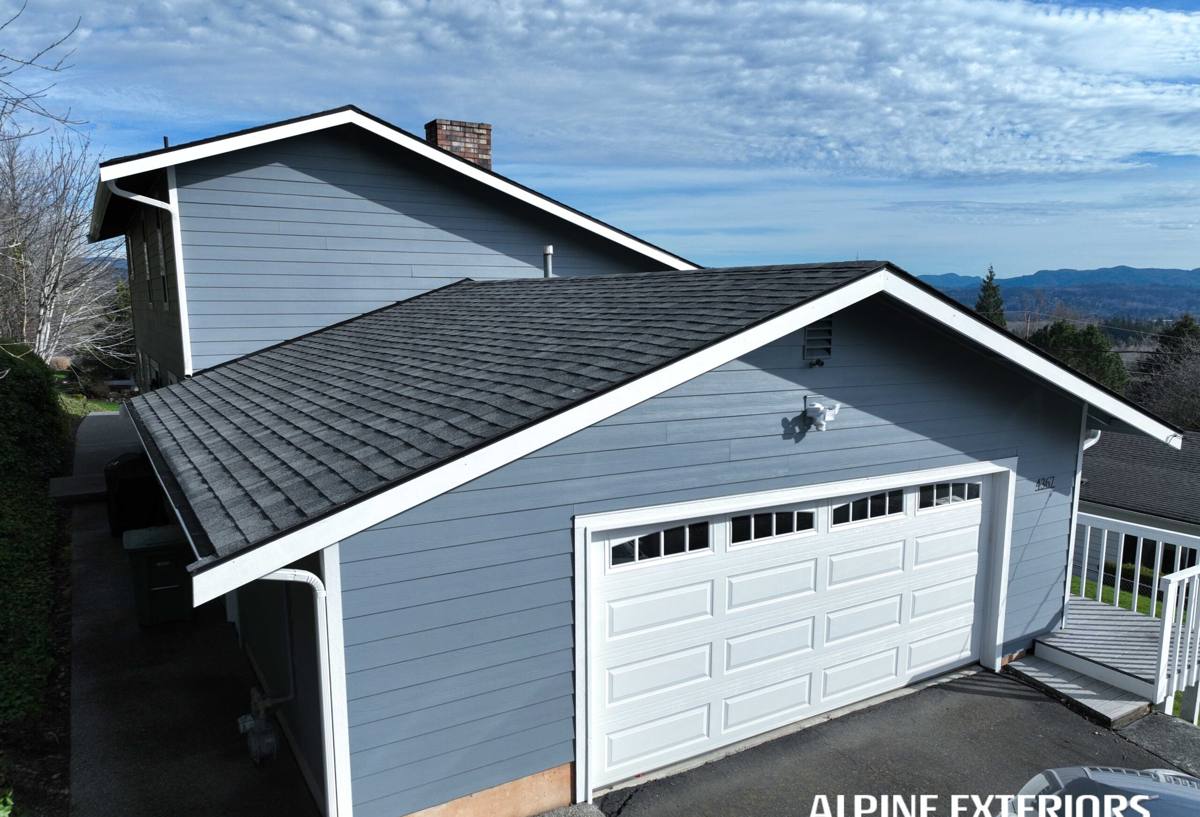
What Mount Vernon's Climate Actually Does to a Roof
Salt Air and Corrosion
Proximity to the Sound and the bay means airborne salt reaches roofs here more than most homeowners realize. Salt exposure accelerates corrosion on unprotected metal — flashing, fasteners, vent boots with metal collars, and any exposed hardware. Roofs installed with bargain-grade fasteners or flashing not rated for coastal exposure tend to show rust streaks and early metal failure well before the shingles themselves are worn out.
Driving Rain
Wind-driven rain off the water doesn't just fall straight down — it gets pushed sideways and upward under eaves, around valleys, and into any gap in the underlayment or flashing detail. A roof that's watertight in a light, vertical rain can still leak in a Skagit Valley windstorm if the underlayment, valley work, and step flashing weren't installed to handle rain moving at an angle.
Moss and Trapped Moisture
Shaded roof sections — north slopes, areas under mature trees, valleys that stay damp longer — grow moss readily in this climate. Moss isn't just cosmetic. It holds moisture against the roofing material, works its way under shingle tabs and shakes, and can lift edges enough to let water in. A new roof installed without attention to ventilation and slope in those shaded zones is set up to grow moss again within a few seasons.
What a Correct New Roof Installation Includes
A roof is a system, not a single product. Skipping or under-building any layer shortens the life of the whole thing, no matter how good the shingles or panels look on day one.
- Tear-off and deck inspection — full removal of the old roofing so the deck can actually be inspected, not just re-covered. Any soft, rotted, or delaminated sheathing gets replaced before anything new goes down.
- Ice and water shield in vulnerable zones — valleys, eaves, and roof-to-wall transitions get self-adhering waterproof membrane, not just felt, because those are the spots wind-driven rain finds first.
- Synthetic underlayment across the field — a durable, water-resistant layer under the roofing material that holds up during construction and adds a second line of defense for the life of the roof.
- Corrosion-resistant flashing and fasteners — proper metal specification at chimneys, walls, valleys, and penetrations, sized and finished for coastal-adjacent conditions rather than generic inland hardware.
- Balanced ventilation — intake at the eaves and exhaust at the ridge, sized to the attic, so moisture doesn't build up under the deck and shorten the roof's life from underneath.
- Correct roofing material installation — proper nail placement and count, correct exposure and overlap, and manufacturer-spec starter courses, which matter more to wind and water resistance than the brand name on the wrapper.
Choosing the Right Roofing Material for This Area
There's no single "best" roof for every house — the right choice depends on the home's style, slope, budget, and how much long-term maintenance the owner wants to take on. What we won't do is recommend a system that looks good on a sunny estimate day but creates a maintenance burden once it's dealing with a real Skagit Valley winter.
| Material | How It Handles This Climate | Maintenance Considerations |
|---|---|---|
| Architectural asphalt shingle | Good wind and rain performance when installed with proper underlayment and flashing; widely used and well understood locally | Moderate — periodic moss treatment on shaded slopes, gutter and valley checks |
| Standing seam metal | Excellent shedding of driving rain and moss resistance on steep slopes; needs marine-grade fastener and coating specification near the water | Low — occasional fastener and sealant checks over decades |
| Cedar shake | Traditional regional look, but holds moisture longer than other options and is more moss-prone without diligent upkeep | Higher — regular treatment and inspection needed to manage moisture and moss |
| Composite/synthetic shingle | Consistent performance in wet, salt-exposed conditions with less material variability than natural products | Low to moderate — generally straightforward care |
We'll walk through these trade-offs honestly during the estimate — including where a lower-maintenance option might cost more up front but save money over the life of the roof.
Our Installation Process
1. On-Site Assessment
We inspect the existing roof, deck condition, attic ventilation, and any trouble spots — valleys, chimneys, past leak history — before quoting anything. This is also when we talk through material options for the specific slopes and exposure on that house.
2. Clear, Itemized Estimate
You get a written scope covering tear-off, deck repair contingencies, underlayment, flashing, ventilation, and the roofing material itself — so there's no ambiguity about what's included before work starts.
3. Tear-Off and Deck Prep
Full removal of old roofing, deck inspection, and replacement of any compromised sheathing. This is the step that determines whether the new roof has a sound foundation.
4. Waterproofing and Flashing
Ice and water shield in the vulnerable zones, synthetic underlayment across the field, and properly detailed flashing at every penetration, valley, and wall transition.
5. Roofing Installation
Installed to manufacturer specification for fastening, exposure, and ventilation — the details that actually determine how the roof performs in wind and rain, not just how it looks from the street.
6. Final Walk-Through
We review the completed roof with you, confirm ventilation and flashing details, and make sure the site is cleaned up — no stray nails or debris left in the yard or gutters.
Why Hire a Crew That Already Works in Mount Vernon
A roofing crew that regularly works Skagit Valley homes already knows which slopes in this area tend to hold moss, how far inland wind-driven rain still causes problems, and which flashing and fastener specs actually hold up against salt air over years, not just through the first winter. That local pattern recognition is hard to substitute with a generic install checklist, and it shows up later — in the roof that's still tight and moss-free after a decade versus the one that needed premature repairs.
It also matters for accountability. A crew based in the region has a reputation to protect with the neighbors, contractors, and inspectors they'll keep working with — which tends to show up in the quality of the details nobody sees once the roofing is down.
Signs Your Mount Vernon Roof May Need Replacement, Not Repair
- Granule loss heavy enough to see bare spots or find granules pooling in gutters
- Multiple layers of roofing already installed, limiting future repair options
- Widespread moss or moisture staining on the underside of the deck in the attic
- Soft or spongy spots when walking the roof, indicating deck damage
- Repeated flashing or valley leaks despite past patch repairs
- Roof age near or past the material's expected service life
If only one or two of these apply, a targeted repair may still make sense — we'll tell you honestly if replacement isn't necessary yet.
What Affects the Cost of a New Roof
| Factor | Why It Matters |
|---|---|
| Roof size and pitch | More square footage and steeper slopes mean more material and labor time |
| Material choice | Asphalt, metal, cedar, and composite options carry different material and installation costs |
| Deck condition | Rotted or damaged sheathing found during tear-off adds repair scope |
| Number of penetrations and valleys | Chimneys, skylights, and complex valley layouts add flashing labor |
| Ventilation upgrades | Adding or improving intake/exhaust ventilation where the existing system is inadequate |
| Access and site conditions | Steep lots, mature trees, or limited staging area can affect labor time |
We give a firm, itemized number after the on-site assessment — not a vague range that changes once the crew shows up.
Ready for a Straight Answer on Your Roof?
If your Mount Vernon roof is showing its age, dealing with recurring moss, or you just want an honest opinion on whether repair or replacement makes more sense, we're glad to take a look. Fill out the form below for a free, no-pressure estimate — no obligation, just a clear picture of what your roof actually needs.