 Chuckanut
 Window Replacement Built for Bow's Weather, Not Just Any Weather
Homes in Bow sit close enough to the water and the Chuckanut hillside that they take a different kind of beating than houses twenty miles inland. Salt-laden air off the water works into hardware and frame joints. Driving rain off Puget Sound doesn't fall straight down here — it comes in sideways against west and south-facing walls. And the long, wet stretch of the year that Whatcom County calls "moss season" keeps siding, trim, and window sills damp for months at a time. Windows that were installed without those conditions in mind tend to fail years before they should.
Replacing windows in a home like this isn't just a swap-the-glass job. It's a chance to fix whatever let moisture in the first time, and to choose materials and installation details that actually hold up to salt air and constant rain. That's the job we focus on for Bow homeowners — not a generic install, but one built around what this specific stretch of coastline does to a house.
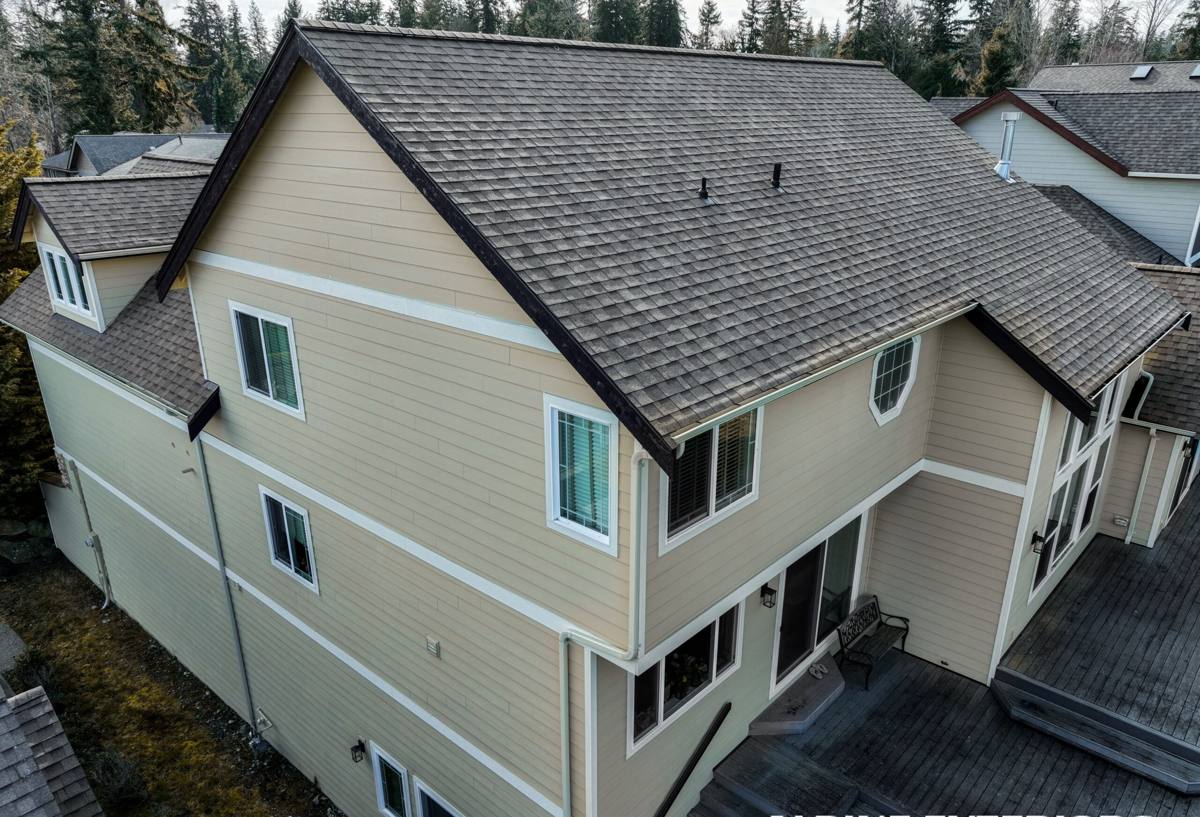
What Salt Air, Rain, and Moss Actually Do to Windows
Salt Air and Hardware
Salt in the air accelerates corrosion on anything metal — window locks, hinges, screen frames, and especially the fasteners behind trim that you never see until they've already failed. Aluminum-clad exteriors and lower-grade hardware are the first things to show it, usually as pitting, stiff operation, or a lock that won't quite seat anymore.
Driving Rain and Water Intrusion
Wind-driven rain doesn't test a window's glass — it tests the seal around it. Flashing, sealant, and the way the window is integrated with the wall assembly matter more here than in a calmer climate. Most window failures we find in this area aren't glass failures at all; they're water finding a path around the frame and into the wall cavity, usually because of a flashing detail that was skipped or a sealant joint that was never designed to take this much rain.
Moss Season and Sustained Moisture
The long wet season means wood trim, sills, and any organic material around a window stays damp far longer than it does in drier parts of the state. That sustained moisture is what feeds rot and moss growth on sills and lower sashes. A window that would be fine in eastern Washington can be rotting from the inside out here simply because it never gets a real chance to dry out between storms.
Signs a Bow Home's Windows Need Replacing
Most homeowners don't notice window failure until it's visible from the inside. By then, the damage is usually further along than it looks. Watch for:
- Fogging or a milky haze between panes — a sign the seal has failed and the insulating gas is gone
- Soft or spongy wood at the sill or lower frame corners
- Persistent moss or dark staining on the sill that keeps coming back after cleaning
- Windows that are hard to open, lock, or that rattle in wind
- Noticeable drafts or a cold spot near the window even with it closed
- Condensation forming on the inside of the glass regularly during winter
- Visible daylight or gaps around the frame from outside
Any one of these on its own might just need repair. Several together, especially on the sides of the house that take the most weather, usually mean it's time to replace rather than patch.
What a Correct Window Replacement Job Involves
The window itself is only part of the job. What separates a replacement that lasts from one that leaks again in five years is almost always in the details around it:
- Removing and inspecting the old window opening down to the framing, not just popping in a new unit over old damage
- Repairing any rot or water damage found in the sill or framing before anything new goes in
- Flashing the opening correctly — integrated with the house wrap or building paper so water is directed out, not trapped behind the new window
- Proper shimming and leveling so the window operates correctly and doesn't stress the seals over time
- Sealing with the right products at the right joints — not just a bead of caulk around the outside trim
- Insulating the gap between the window frame and the rough opening without overpacking it, which can bow the frame
Skip any of these steps and you can end up with a brand-new window that fails the same way the old one did, just faster, because the underlying water path was never fixed.
Choosing Materials for a Coastal, Wet Climate
There's no single "best" window material — the right choice depends on the exposure of the specific wall, your maintenance tolerance, and budget. Here's how the common options hold up in conditions like Bow's:
| Material | Salt Air / Moisture Resistance | Maintenance | Typical Lifespan |
|---|---|---|---|
| Vinyl | Good — won't corrode or rot | Low | 20–30 years |
| Fiberglass | Very good — stable, resists warping | Low | 30+ years |
| Wood, clad exterior | Good if clad and sealed properly; vulnerable at joints and cuts | Moderate — watch cladding seams | 20–30 years with upkeep |
| Aluminum | Fair — prone to corrosion and condensation in salt air | Moderate | 15–25 years |
For most Bow homes, especially on walls that face the water or catch the prevailing rain, vinyl or fiberglass tend to be the lower-maintenance, longer-lasting choice. Clad wood windows still make sense where the look matters and the homeowner is comfortable keeping an eye on the cladding seams. We'll talk through what fits your specific walls rather than pushing one material across the whole house.
Our Window Replacement Process
- On-site assessment. We look at each window from both sides, check for rot, drafts, and failed seals, and note which walls take the worst weather.
- Honest recommendation. We tell you which windows genuinely need replacement now, which can wait, and why — not a full-house upsell if it isn't warranted.
- Material and quote. We walk through material options for your specific exposure and give you a clear, itemized quote.
- Removal and repair. Old windows come out, framing gets inspected, and any rot or water damage is repaired before anything new is installed.
- Correct installation. New windows are set, flashed, shimmed, insulated, and sealed to shed water rather than trap it.
- Final check. We test operation, locks, and weatherproofing before we consider the job done.
What Affects the Cost of Window Replacement
Every home is different, but the same handful of factors drive most of the price difference between jobs:
| Factor | Why It Matters |
|---|---|
| Number and size of windows | More and larger openings mean more material and labor |
| Material chosen | Vinyl, fiberglass, and clad wood carry different unit costs |
| Rot or damage found during removal | Framing repair adds time before a new window can even go in |
| Wall exposure | Weather-facing walls often need more careful flashing and sealing work |
| Access and second-story work | Scaffolding or lift access adds labor time |
As a rough starting point, homeowners in this area typically see per-window installed costs somewhere in the low to mid four figures, with the total shaped heavily by how many windows are involved and what we find once the old ones come out. We'd rather give you a real number after a walkthrough than a range that doesn't match your actual house.
Why Hire a Crew That Already Works This Coastline
A contractor who mostly works drier, inland areas can still install a window competently — but they may not think to check the details that matter most here: how the flashing ties into a wall that gets driving rain from a specific direction, which hardware finishes actually hold up to salt air, or why a sill that looks fine in July is soft by February. Working regularly in and around Chuckanut and Whatcom County's coastal communities means we've seen how these specific conditions play out over years, not just at the moment of installation. That shows up in fewer callbacks and windows that are still performing well a decade later.
Keeping New Windows Performing in This Climate
Even a well-installed window benefits from a little seasonal attention here:
- Rinse salt residue off frames and hardware periodically, especially on water-facing sides
- Clear moss and debris from sills before it holds moisture against the frame
- Check exterior sealant joints once a year and re-caulk any that have cracked or pulled away
- Make sure gutters and downspouts nearby are directing water away from the wall, not onto it
None of this is heavy maintenance — it's the same kind of upkeep any exterior surface needs in a wet coastal climate, and it goes a long way toward getting the full lifespan out of a new window.
Get a Straight Answer About Your Windows
If you're not sure whether your windows need replacing or just some attention, we're happy to take a look and tell you honestly which it is. We offer free, no-pressure estimates for Bow homeowners — fill out the form below and we'll set up a time to walk the house with you.