 Chuckanut
 Window Replacement for Burlington Homes, Done by People Who Work This Ground
Burlington sits close enough to the water and low enough in the valley that its houses take a particular kind of beating year after year. Salt-laden air drifts in off the Sound, driving rain comes sideways for weeks at a stretch in the winter, and the mild, damp shoulder seasons keep everything green — including the north sides of windows and the wood trim around them. Old aluminum-frame or original wood windows that were fine for their first twenty years start showing their age fast once these conditions get into the seals, the frames, and the wall behind them.
We're a Chuckanut-based crew, and Burlington is inside our regular working radius, not a stretch job we drive out for once a year. That matters more than most homeowners realize when it comes to window replacement — the right install here isn't the same as the right install in a drier inland town, and a crew that only occasionally works this corner of the county doesn't always know that.
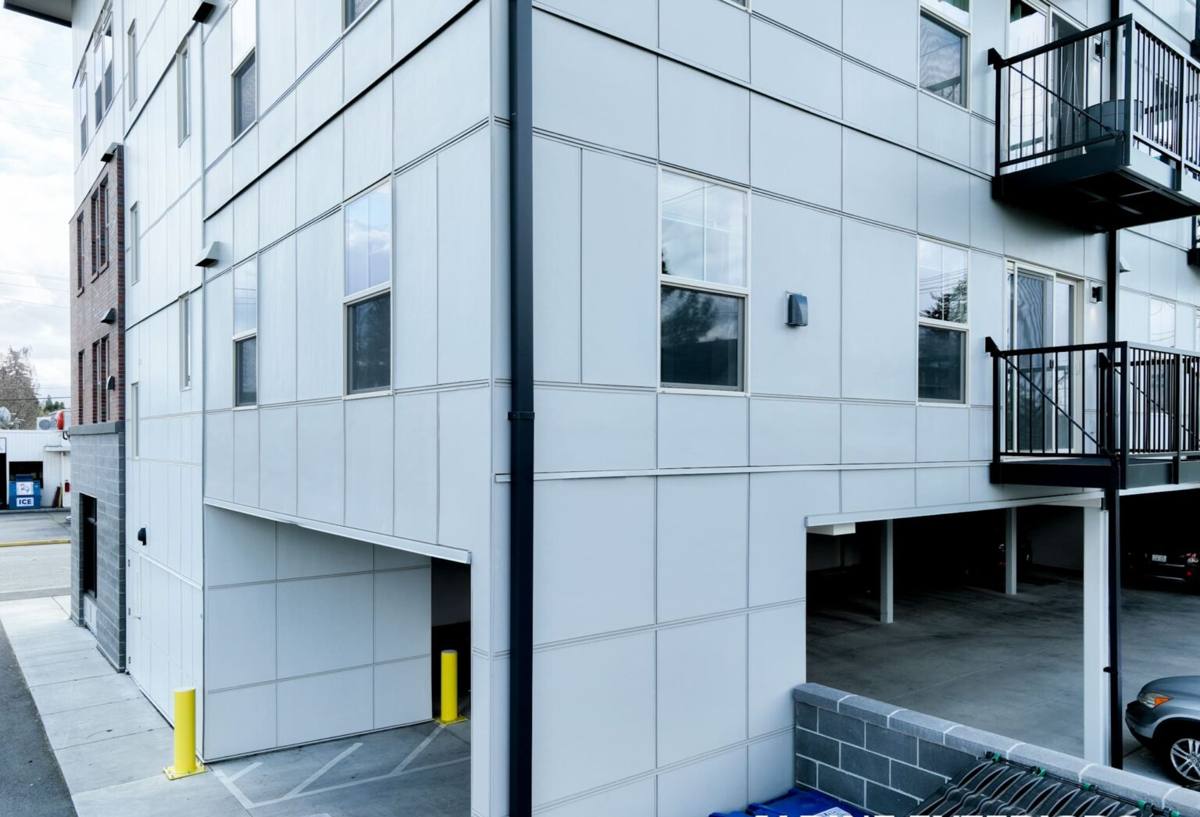
What This Climate Actually Does to Windows
Three things do most of the damage locally, and they compound each other:
Salt Air
Even a few miles inland, airborne salt accelerates corrosion on aluminum frames, hardware, and fasteners. Older aluminum sliders and single-hung windows in particular tend to show pitting, stiff or seized tracks, and hardware that won't latch cleanly anymore.
Driving, Wind-Driven Rain
Rain that comes in at an angle doesn't just sit on the sill — it gets pushed up under trim and into any gap in the flashing or sealant. Over enough winters, this is what turns a small failed seal into water damage inside the wall cavity, long before it shows up as a visible stain.
A Long Moss and Mildew Season
Cool, damp air for much of the year means moss and mildew get a real foothold on north- and west-facing exteriors, including window sills, wood trim, and caulk lines. Once moss is established in a joint, it holds moisture against the material constantly, which is exactly what accelerates wood rot and breaks down sealants faster than sun and dry heat ever would.
None of this means Burlington homes need exotic materials or a special product line — it means the installation details (flashing, sealant choice, drainage path) have to be right the first time, because the climate doesn't give a mediocre install much time to fail quietly.
Signs It's Time to Replace, Not Repair
- Visible condensation or fogging between panes of double-glazed units (a sign the seal has failed)
- Wood frames that are soft, spongy, or dark-stained at the corners or sill
- Windows that won't stay open, won't latch, or have become hard to operate
- Noticeable draft or cold spot near the frame even when the window is fully closed
- Visible daylight or gaps around the frame from outside
- Aluminum frames with heavy pitting, corrosion, or chalky white residue on the metal
- Moss or persistent green growth in the sill joints or trim that keeps coming back after cleaning
- A jump in heating bills that isn't explained by anything else in the house
A single fogged unit doesn't always mean the whole house needs new windows — sometimes it's one bad seal. But if you're seeing three or more of these at once, or the windows are original to a home built before the 1990s, full replacement is usually the more honest recommendation than patching.
What a Correct Window Replacement Job Involves
The window itself is maybe half the job. The other half is everything around it, and it's the part that determines whether the install survives our winters:
- Removing the old unit without damaging the rough opening, then checking the framing and sill for rot or moisture damage before anything new goes in
- Correcting any water damage found — replacing soft wood, not sealing over it
- Installing or repairing flashing so water sheds outward and down, never into the wall cavity
- Setting the new window level, plumb, and square, with proper shimming so the frame isn't under stress
- Sealing with the correct sealant for the material and location — not just running a bead of caulk around the outside and calling it done
- Insulating the gap between the frame and rough opening without overpacking, which can bow the frame
- Verifying operation — every sash opens, closes, and locks smoothly before we consider the job finished
Skipping the flashing and drainage steps is the single most common shortcut we see on prior installs when we're called out to fix a leak — and it's also the step that's invisible once the trim goes back on, which is exactly why it matters who's doing the work.
Comparing Frame Materials for This Climate
| Frame Type | How It Handles Salt Air & Moisture | Maintenance | Typical Lifespan |
|---|---|---|---|
| Vinyl | Doesn't corrode; handles damp climates well | Low — occasional cleaning | 20–30+ years |
| Fiberglass | Very stable in moisture and temperature swings; resists warping | Low | 30+ years |
| Wood (clad or unclad) | Attractive, but exposed wood is vulnerable to rot and moss if not maintained | Higher — needs painting/sealing on a schedule, especially in shaded, damp spots | 15–25 years depending on upkeep |
| Aluminum | Prone to pitting and corrosion in salt-air exposure over time | Moderate | 15–20 years in coastal-influenced areas |
We don't push one material on every job. Wood-clad windows still make sense on homes where the look matters and the owner is committed to upkeep. But for most Burlington replacements, we steer people toward vinyl or fiberglass on the exterior-facing side specifically because they hold up against salt air and damp shade without a maintenance schedule attached — it's a trade-off we're upfront about, not a knock on wood as a material.
Glass and Performance Options
Beyond the frame, the glass package affects comfort and condensation resistance more than most homeowners expect:
- Double-pane, low-E glass is the practical standard now for this climate — it cuts heat loss and reduces interior condensation on cold, damp mornings
- Argon or krypton gas fill adds a modest efficiency boost between panes; worth it on most full-replacement jobs, less critical on a single problem window
- Impact or laminated glass isn't a requirement here the way it is in hurricane zones, but some homeowners choose it for sound dampening near busier roads
We'll walk through what actually makes sense for your specific windows rather than upselling every option on every job.
Our Process for Burlington Jobs
- On-site assessment — we look at each window individually, not just from the curb; frame condition, sill condition, and signs of past water intrusion all get checked
- Honest recommendation — repair where repair makes sense, replace where it doesn't, explained in plain terms
- Written estimate — clear line items, no vague allowances
- Scheduled install — timed with weather in mind where possible, since open wall cavities and wet weather don't mix
- Removal, framing check, and correct installation — flashing, sealing, and insulation done to hold up through a full winter, not just look finished on install day
- Final walkthrough — every window operated and checked before we call it done
What Affects the Cost
| Factor | Why It Matters |
|---|---|
| Number of windows | Per-window cost typically drops on larger jobs due to shared setup and scheduling |
| Frame material chosen | Vinyl and fiberglass vs. wood-clad carry different material costs |
| Existing water or rot damage | Framing repair adds labor and material beyond the window itself |
| Window size and type | Large picture windows or specialty shapes cost more than standard sliders |
| Access and site conditions | Second-story or hard-to-reach windows take more time to do safely |
We give real ranges during the on-site visit once we've actually seen the windows and the framing behind them — not a number pulled from a phone call.
Why a Crew That Already Works Burlington Matters
Window replacement isn't a product you drop in — it's an install that has to account for how a specific house, in a specific spot, handles wind and water. A crew based in Chuckanut and working Burlington regularly has already seen how homes in this stretch of Whatcom and Skagit county weather over time: which directions take the worst of the driving rain, where moss tends to establish first, and which older installs tend to fail and why. That's not something you get from a crew passing through once. It shows up in fewer callbacks and installs that are still sealed tight five winters later.
If your windows are showing their age, or you just want a straight opinion on whether repair or replacement makes more sense for your home, we're happy to take a look. Reach out for a free, no-pressure estimate using the form below.