 Chuckanut
 Windows Built for Columbia's Corner of Whatcom County
Columbia homes sit in one of the more demanding microclimates a window has to survive around Chuckanut. You've got salt-laden air rolling off the water, wind-driven rain that doesn't just fall but gets pushed sideways into wall assemblies, and a moss season that stretches for months and keeps everything damp longer than homeowners further inland ever have to deal with. Windows here don't fail because the glass wears out. They fail because the seals, the flashing, and the frame material weren't chosen or installed with this specific combination of moisture and salt in mind.
We work Columbia regularly, which matters more than it sounds like it should. A window crew that mostly works dry, inland neighborhoods brings dry-climate habits with them — habits that leave gaps in a coastal Whatcom County install. We don't have that problem because this is the environment we install in every week.
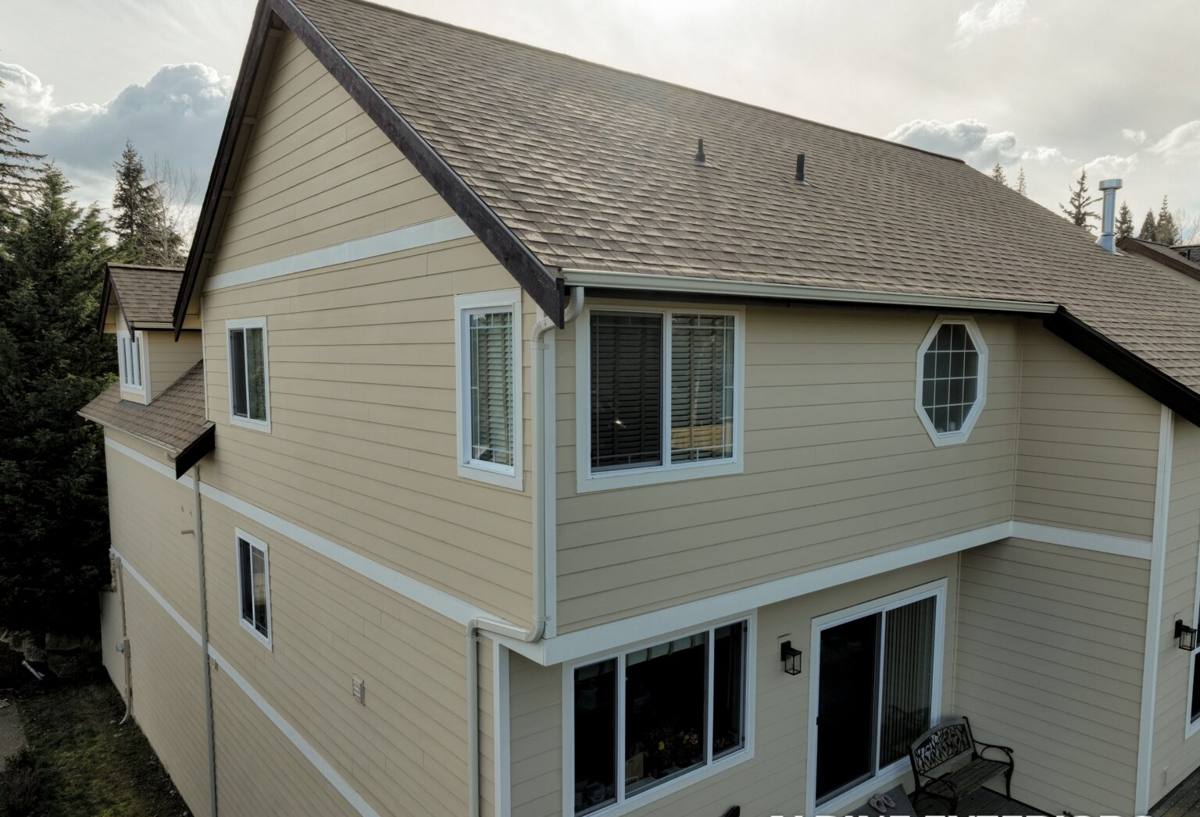
What Salt Air, Driving Rain, and Moss Actually Do to a Window
Salt Air
Airborne salt accelerates corrosion on anything metal — hardware, hinges, cranks, and especially aluminum cladding or frames that aren't specifically rated for coastal exposure. It also breaks down some sealants and gasket materials faster than a standard warranty accounts for, which is why the fastener and sealant choice on a coastal install matters as much as the window unit itself.
Driving Rain
Wind-driven rain doesn't behave like rain on a calm day. It gets forced sideways and upward under trim and into any gap in the flashing, which means a window can look properly installed and still leak two winters later if the water management behind the trim wasn't done correctly the first time. Most of the window failures we get called out to fix in this area aren't glass problems — they're flashing and sealant problems.
Long Moss Season
Extended dampness feeds moss and algae growth on sills, trim, and anywhere water sits instead of draining. Beyond the cosmetic issue, sustained moisture against wood trim or a compromised seal is exactly the condition that leads to rot and hidden water intrusion behind the window frame.
What "Energy-Efficient" Actually Means for This Climate
In Whatcom County, energy-efficient windows are doing two jobs at once: keeping conditioned air in and out, and keeping bulk water and moist air out of the wall assembly. A window that's efficient on paper but poorly sealed against wind-driven rain will still cause problems, just different ones — condensation, trapped moisture, and eventually rot around the frame. We evaluate both sides of that equation, not just the U-factor on a spec sheet.
| Feature | Why It Matters in Columbia |
|---|---|
| Low-E glass coating | Reduces heat loss through glass during the cold, wet months that dominate the local calendar |
| Argon or krypton gas fill | Adds insulating value between panes without adding bulk to the frame |
| Multi-point locking hardware | Pulls the sash tighter against the frame, resisting the pressure differences that come with driving wind and rain |
| Corrosion-resistant hardware | Salt air degrades standard hardware faster; marine-grade or coated hardware holds up |
| Proper frame material for exposure | Some materials handle sustained moisture and UV better than others in this specific setting |
| Correctly detailed flashing | This is what actually keeps driving rain out of the wall — more important than the glass package in most failures we see |
What a Correct Installation Involves Here
Swapping a window unit is the easy part. Getting the water management right around it is where most of the skill — and most of the failure risk — actually lives, especially in a location that takes as much direct weather as Columbia does.
- Removing the old unit without damaging surrounding sheathing or existing weather barrier
- Inspecting the rough opening for hidden rot or moisture damage before anything new goes in
- Installing flashing tape and pan flashing sequenced correctly with the house wrap — lapped so water sheds outward, never trapped behind the frame
- Setting the window level, plumb, and square, with shims that won't compress or rot over time
- Sealing with sealant products rated for the coastal exposure and temperature swings this area sees
- Insulating the gap between frame and rough opening properly — not overpacked, not left empty
- Finishing exterior trim so water sheds away from the window rather than pooling against it
- A final water and function test before we call the job done
A Quick Homeowner Checklist
If you're trying to figure out whether your current windows are already giving you trouble, walk the exterior and check for these signs:
- Soft or discolored trim directly below or beside a window
- Persistent moss or dark staining on sills that keeps returning after cleaning
- Condensation building up between panes, which usually means a failed seal
- Drafts you can feel near the frame on a windy day
- Difficulty locking or latching a sash that used to close easily
- Visible daylight or gaps around the frame from inside
Frame Material Trade-Offs for a Coastal Whatcom County Home
There's no single "best" frame material for every house — it depends on exposure, budget, and how much upkeep a homeowner wants to take on. Here's how the honest trade-offs shake out for a property dealing with salt air and sustained moisture.
| Material | Upside Here | Trade-Off to Plan For |
|---|---|---|
| Vinyl | Doesn't rust or rot; low maintenance in salt air | Can expand/contract with temperature swings; frame color/quality varies by manufacturer |
| Fiberglass | Very stable dimensionally, holds paint well, strong moisture resistance | Higher upfront cost than vinyl |
| Wood-clad | Classic look for period homes in this area | Needs more diligent sealing and upkeep to handle sustained coastal moisture |
| Aluminum | Slim sightlines, strong for larger openings | Conducts cold and is more prone to corrosion in salt air unless properly coated and specified |
We'll walk you through which option fits your specific house, orientation to weather, and budget rather than defaulting to whatever's easiest to install.
Why We Don't Cut Corners on Flashing Detail
It's tempting for a crew in a hurry to caulk around a new window and call the flashing work "close enough." In a dry inland town, that shortcut might not show up for years. In Columbia, with wind-driven rain hitting the building envelope directly, it shows up fast — usually as a stain on interior drywall or trim rot within a couple of wet seasons. Our standard is to treat flashing sequencing as the part of the job that actually protects the house, with the window unit itself being only half the equation. That's not a sales pitch — it's just what holds up out here.
Our Process for a Columbia Window Project
1. On-Site Assessment
We look at existing window condition, signs of moisture intrusion, current frame material, and how exposed each elevation of the house is to prevailing wind and rain direction.
2. Straightforward Recommendation
You get an honest read on what needs replacing now versus what can wait, along with frame and glass options that fit the exposure your home actually gets — not a one-size-fits-all upsell.
3. Written Estimate
Clear scope, clear materials, no vague line items.
4. Installation
Careful removal, rough opening inspection, correct flashing sequencing, and proper sealing — done by a crew that installs in this exact climate on a regular basis.
5. Walkthrough and Test
We check function, seal, and finish with you before we consider the job complete.
Maintenance That Actually Matters Here
New windows still need a little seasonal attention in a climate like this one. A few habits go a long way toward protecting the investment:
- Rinse salt residue off frames and hardware periodically, especially after storms
- Clear moss and debris from sills and tracks before it holds moisture against the frame
- Check exterior caulking annually for cracking or gaps, particularly after the first year of settling
- Keep gutters and downspouts clear so roof runoff isn't cascading directly onto window heads
Why Hiring a Crew That Already Works Columbia Matters
A window installer who mostly works dry, low-exposure sites can install a beautiful-looking window that still leaks in this location within a season or two, because the failure points here aren't visible on installation day — they show up after the first real string of driving rain. Working Columbia and the surrounding Chuckanut area regularly means we already know which elevations take the worst weather, how local moisture and moss patterns behave against trim and siding, and what installation details actually hold up rather than just what looks finished at handoff. That local experience is the difference between a window that performs for a couple of years and one that performs for its full expected lifespan.
If you're weighing a window replacement or repair in Columbia, we're glad to come take a look and give you a straight answer — no pressure, no upsell, just what your home actually needs. Reach out for a free estimate using the form below.