 Chuckanut
 Building a Deck That Actually Holds Up in Silver Beach
A deck in Silver Beach lives a harder life than a deck built fifty miles inland. Between salt-laden air, long stretches of driving rain, and a moss season that seems to start earlier every year, this stretch of Whatcom County asks more of outdoor structures than most parts of the state. A deck that would be perfectly fine in a dry climate can start showing corrosion, soft spots, and slick, moss-covered boards within a couple of seasons here if it wasn't built with that reality in mind.
We build and rebuild decks for homes in this neighborhood regularly, and the patterns are consistent. The decks that last are the ones where the builder thought about moisture management and material selection before the first board went down — not after the first winter revealed a problem. This page walks through what that actually looks like: the materials, the construction details, and the process, specific to a custom deck built for a Silver Beach home.
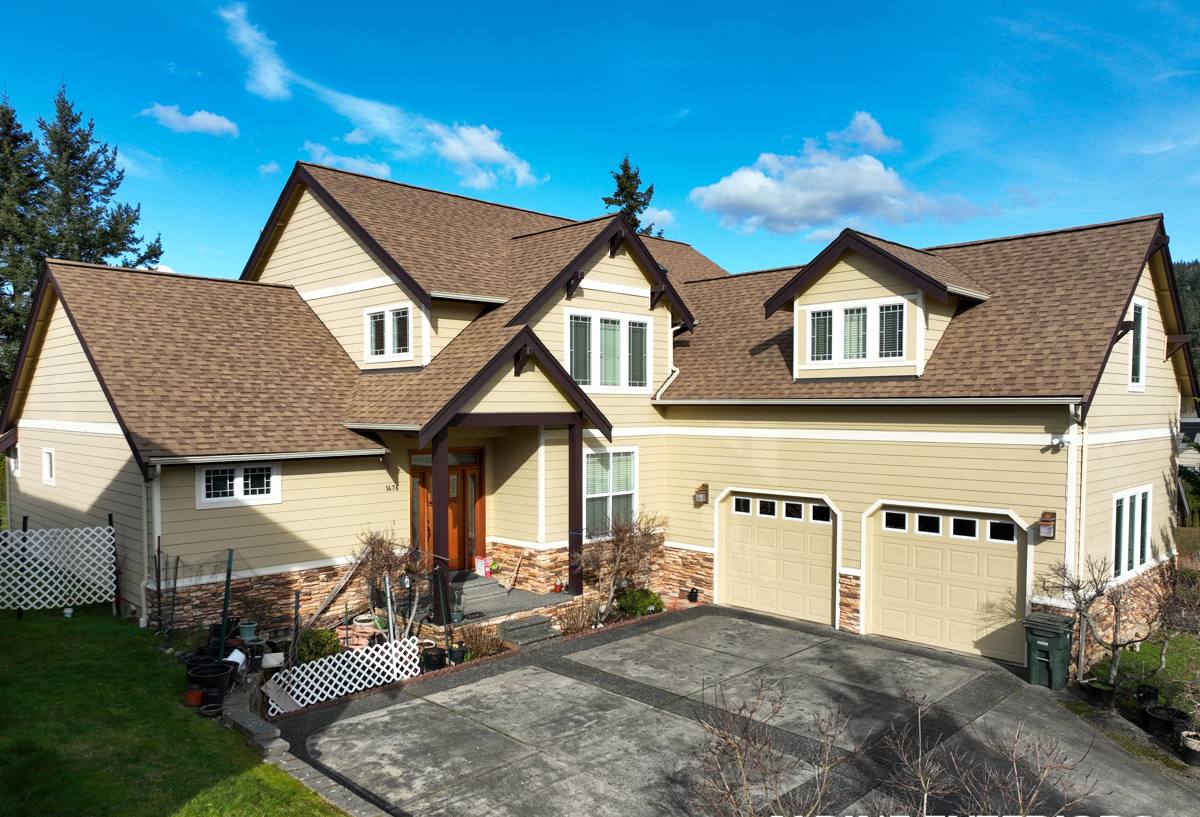
What Local Conditions Do to an Unprotected Deck
Before talking about solutions, it's worth understanding exactly what's working against a deck here. It's not one thing — it's three conditions compounding on each other year-round.
Salt Air and Metal Fasteners
Airborne salt accelerates corrosion on any exposed metal — nails, screws, joist hangers, bolts. Standard galvanized hardware that would last decades in a dry inland climate can start rusting and staining the wood around it much sooner near the water. Once a fastener starts to corrode, it loses holding strength long before the rust is visible from the surface, which is part of why hardware selection matters more here than in most parts of the state.
Driving Rain and Hidden Rot
Rain that comes in sideways doesn't behave like rain falling straight down. It gets pushed up under rail caps, behind fascia boards, and into ledger board connections — the single most common failure point on any deck attached to a house. A ledger that isn't properly flashed will trap water against the house's rim joist, and that rot can go on quietly for years before it shows up as a soft spot or a sagging deck edge.
Moss and Slip Hazards
Whatcom County's long, damp shoulder seasons are ideal moss-growing conditions, especially on decks with any shade or north-facing exposure. Beyond the cosmetic issue, moss on a walking surface is a real slip hazard, and moss that's allowed to establish itself on wood decking holds moisture against the board surface, which speeds up graying, splintering, and rot in traditional lumber.
Choosing the Right Decking Material for This Climate
There's no single "best" decking material for every home — it depends on budget, how the deck will be used, and how much upkeep the homeowner wants to take on. But in a salt-air, high-moisture environment, some options clearly perform better than others over the long run.
| Material | Upfront Cost | Moss & Moisture Resistance | Ongoing Maintenance | Typical Lifespan Here |
|---|---|---|---|---|
| Pressure-Treated Lumber | Lowest | Fair — needs sealing to perform well | Annual cleaning, re-staining every 2-3 years | 15-20 years with upkeep |
| Cedar | Moderate | Good natural resistance, but surface needs protection | Regular cleaning and periodic sealing | 15-25 years with upkeep |
| Capped Composite / PVC | Higher | Excellent — non-porous surface resists moss and staining | Occasional washing, no staining or sealing | 25+ years |
Pressure-treated lumber is still a reasonable choice for homeowners who want the lowest upfront cost and don't mind staying on top of maintenance. Cedar offers a warmer, more traditional look with decent natural rot resistance, but it still needs regular care in this climate to keep moss and graying at bay. Capped composite and PVC decking cost more up front, but their non-porous surface is a real advantage where moss and standing moisture are the enemy — there's no wood grain for spores to take hold in, and no annual staining schedule to keep up with. For a lot of Silver Beach homeowners, especially those with shaded or north-facing outdoor space, that trade-off pays for itself in reduced upkeep alone.
What a Correctly Built Deck Involves
The decking material is the part everyone sees, but it's the structure underneath and behind it that determines whether the deck is still solid — and still attached to the house — in fifteen years.
Ledger Attachment and Flashing
Where the deck attaches to the house is the highest-risk point for water intrusion, and it's the detail most likely to get shortcut on a lower-quality build. A correct ledger installation uses proper flashing that directs water away from the rim joist, not just caulk, which degrades and fails silently over time. This is the single detail we spend the most time getting right, because it's the one that's hardest to inspect and most damaging to get wrong.
Fasteners and Hardware
Given the corrosion issue discussed above, hardware rated for coastal or high-moisture exposure — stainless steel or heavy-duty coated fasteners — makes a real difference over standard galvanized hardware. It costs more per fastener, but replacing a rusted joist hanger means tearing into a finished deck, which costs far more than the hardware upgrade would have in the first place.
Footings and Framing
Footings need to be sized and set to local frost depth and soil conditions, and framing needs joist spacing appropriate to the decking material chosen — composite decking, for example, often has different span requirements than traditional lumber. Getting this wrong doesn't usually show up immediately; it shows up as bounce, sag, or squeaking a few years in.
Drainage and Airflow Underneath
A deck built low to the ground or over poorly draining soil traps moisture underneath the structure, which speeds up rot in the framing even if the surface decking is holding up fine. Proper grading, gravel, and airflow beneath the deck matter as much as anything visible from above.
Railings, Fascia, and Finish Details Built for the Coast
The details that finish out a deck — railings, fascia boards, stair treads, post caps — are also the details most exposed to driving rain and salt air, since they're often vertical or horizontal surfaces that catch weather head-on rather than shedding it. We pay attention to how these pieces are fastened and capped so water isn't trapped behind them, and we favor railing systems and fascia materials that hold up to repeated wetting and drying without cupping, splitting, or corroding at the connection points. A deck can have excellent decking boards and still look tired within a few years if the rail system and trim weren't built with the same standard in mind.
Our Process, Start to Finish
Every custom deck we build for a Silver Beach home follows the same basic sequence, adjusted for the specific site and the homeowner's goals.
- On-site assessment. We look at the house's existing rim joist condition, the site's drainage and sun exposure, and any access or permitting considerations before recommending an approach.
- Design and material selection. We walk through decking, railing, and layout options honestly, including the maintenance trade-offs of each, so the decision fits the homeowner's budget and how they actually plan to use the space.
- Permitting. Deck permits are typically required for structures attached to the house or above a certain height, and we handle that process rather than leaving it to the homeowner.
- Framing and structural work. Footings, ledger flashing, and framing go in first, with inspections at the appropriate stages.
- Decking, railing, and finish work. Surface materials and details go on last, once the structure underneath is confirmed sound.
- Final walkthrough. We go over the finished deck with the homeowner, including what maintenance — if any — the chosen materials will need going forward.
Living With a Deck in a Moss-Prone Climate
Even a well-built deck needs some seasonal attention in Whatcom County. What that attention looks like depends heavily on the material chosen, but a few habits apply across the board.
- Sweep debris — leaves, needles, moss spores — off the deck surface regularly, especially in shaded areas, rather than letting it sit through a wet stretch.
- Rinse or gently scrub the surface a couple of times a year to keep moss from establishing, particularly on north-facing or heavily shaded sections.
- Check railing connections and any visible hardware annually for early signs of rust staining, which can signal a fastener starting to corrode.
- Keep gutters and downspouts near the deck clear so runoff isn't dumping extra water onto or under the structure.
- For wood decking, plan on reapplying sealant or stain on the schedule appropriate to the product — skipping a cycle in this climate shows up faster than it would somewhere drier.
- Look underneath the deck occasionally for standing water or poor drainage, which is often the first sign of a grading issue rather than a decking issue.
Why Hire a Crew That Already Works Silver Beach
A deck built by a crew unfamiliar with this specific coastal, high-moisture environment can still look right on the day it's finished — the problems that come from cutting corners on flashing, hardware, or drainage don't usually show up right away. They show up two or three winters later, after the driving rain and salt air have had time to find every weak point. Working in this neighborhood regularly means we've already seen how different materials and construction details hold up here specifically, not in a generic climate zone, and we build accordingly rather than relying on standard specs that were written for drier parts of the state.
If you're planning a new custom deck or replacing one that's showing its age, we'd be glad to take a look and talk through what makes sense for your home and budget. Reach out using the form below for a free, no-pressure estimate.