 Chuckanut
 Windows Built for What Burlington Weather Actually Does to a House
If you own a home in the Burlington area, you already know the climate here doesn't do "mild" for long. Whatcom County sits close enough to the water that salt-laden air works its way into everything metal and wood, driving rain comes in sideways more often than straight down, and there's a stretch of the year — call it moss season — where anything shaded and damp stays that way for weeks. Windows sit right at the front line of all three. A window that's a good fit for a drier inland climate can still fail here, not because it's poorly made, but because it wasn't detailed for this specific mix of salt, wind-driven water, and prolonged damp.
This page is about one job: custom window replacement for Burlington homes, done by a crew that works this specific area regularly and knows what the local conditions do to a window over five, ten, and twenty years.
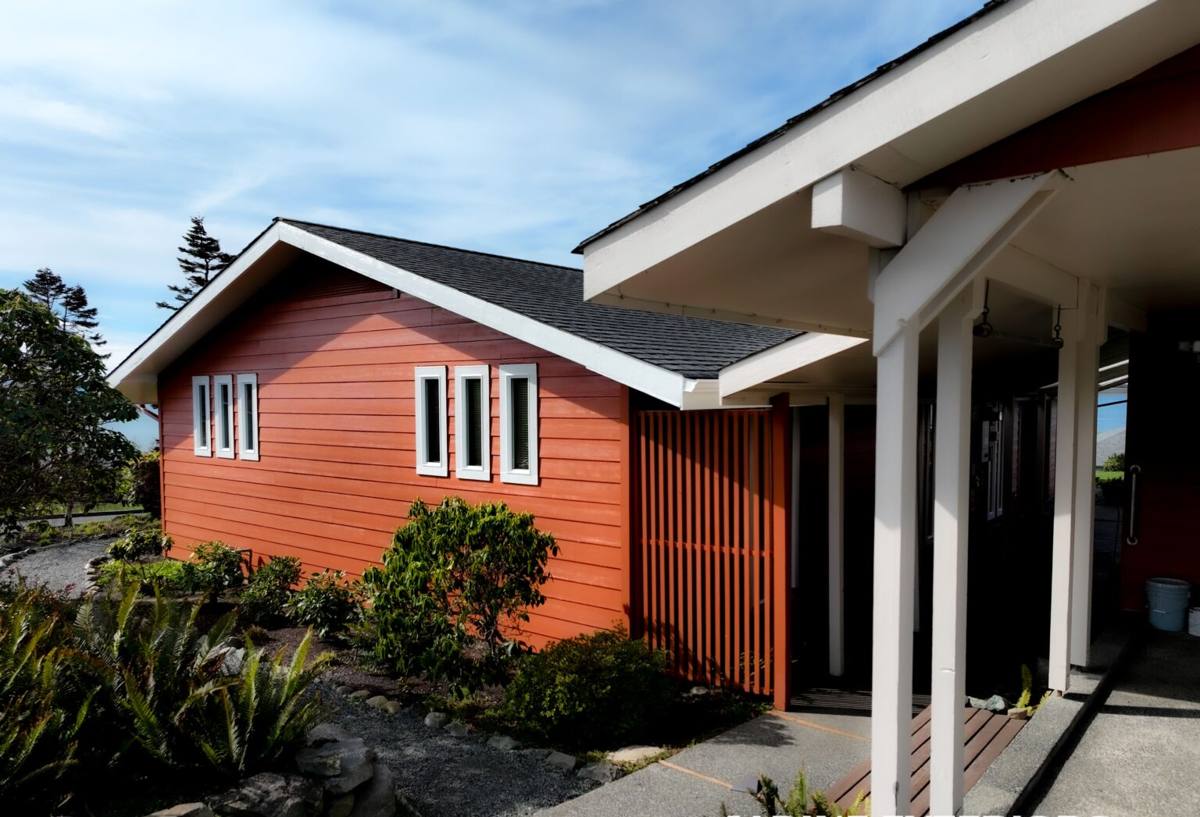
What "Custom" Actually Means Here
Custom doesn't mean fancy shapes or upcharges — it means the window is sized, flashed, and specified for your actual opening and your actual exposure, not pulled off a generic size chart. Most homes in this area were built across a range of decades, and openings are rarely perfectly square or standard-sized once you account for decades of settling, old trim work, or prior remodels. Custom windows are manufactured to the real dimensions of your opening, which matters for two reasons:
- A properly sized unit seals correctly on the first install, without shims and gaps that become long-term leak points.
- Correct sizing means the flashing and weather barrier can be installed as designed, instead of improvised around a window that doesn't quite fit.
On a Burlington-area home, that second point carries more weight than it would somewhere drier. Wind-driven rain finds gaps that gravity-only rain never would, so the margin for "close enough" is smaller here than it is in a lot of the country.
Exposure-by-Exposure Considerations
Not every wall of a house takes the same beating. We look at each elevation separately:
- West and southwest-facing walls typically catch the most wind-driven rain and the most direct salt-air exposure. These get the most attention on flashing detail and sill pan design.
- North-facing and shaded walls dry out slower and are where moss, algae, and general dampness linger longest — frame material and finish matter more here than water intrusion risk.
- South-facing walls get more UV cycling, which over time stresses seals and finishes even though water isn't the main issue.
Why Salt Air, Rain, and Moss Season Matter for Window Choice
Salt Air
Proximity to Puget Sound and the Salish Sea means airborne salt is a real, ongoing factor for homes in and around Chuckanut and Burlington — not just for waterfront properties. Salt accelerates corrosion on exposed metal hardware, fasteners, and some window frame components. It's not usually dramatic or fast; it's a slow wear pattern that shows up as pitting, stiff hardware, or premature finish failure years down the road if the wrong materials were used or corrosion-resistant hardware wasn't specified.
Driving Rain
Rain that comes in at an angle, pushed by wind off the water, tests a window's weatherproofing in ways vertical rain doesn't. It gets under poorly lapped flashing, through undersized weep systems, and into gaps around trim that a straight-down rain would never reach. The sill pan, the flashing sequence, and the sealant detail around a window matter as much as the window unit itself when driving rain is a regular occurrence.
Moss Season
The long stretch of cool, wet, low-sun months creates ideal conditions for moss and algae to establish on north-facing trim, sills, and anywhere water sits or shade lingers. Beyond the cosmetic issue, sustained dampness against wood trim or poorly sealed frame junctions is what eventually causes rot. Window trim and sills that hold moisture longer need materials and details that can tolerate that, or regular maintenance attention.
What a Correct Window Job Involves
A window replacement is really three jobs stacked together, and skipping any one of them is where problems start:
- Removal and opening inspection. Old windows come out, and we check the framing, sill, and sheathing underneath for hidden rot or water damage before anything new goes in. This is the step that gets skipped by crews trying to move fast, and it's the step that matters most in a wet climate.
- Flashing and weatherproofing. A sill pan, properly lapped house wrap or weather barrier, and correctly sequenced flashing tape around the window opening — installed so water is always directed outward and down, never trapped behind the siding.
- Window installation and finish. The unit itself, set level and square, fastened per manufacturer spec, insulated around the frame without over-packing (which can bow the frame), and trimmed out.
Any window, even a good one, installed without steps 1 and 2 done correctly will eventually leak in this climate. That's not a scare tactic — it's just how wind-driven rain and long wet seasons interact with gaps in a building envelope.
Frame Material: Honest Trade-Offs for This Climate
| Material | How it holds up locally | Maintenance |
|---|---|---|
| Vinyl | Good moisture and salt resistance, no corrosion risk; performance varies by manufacturer quality | Low — occasional cleaning |
| Fiberglass | Very stable in temperature swings and damp conditions, strong long-term option near the water | Low |
| Aluminum-clad wood | Attractive, but hardware and cladding seams need good detailing to resist salt-air corrosion over time | Moderate |
| Bare wood | Classic look but the most vulnerable to sustained moisture and moss-season dampness without diligent upkeep | High |
We'll walk through which of these fits your home's style, budget, and exposure — there's rarely one universal right answer, and part of our job is being straight with you about the upkeep each option actually requires rather than just selling the option with the best margin.
Cost Factors Worth Understanding Before You Get a Quote
| Factor | Why it moves the price |
|---|---|
| Number and size of openings | More glass area and more units means more material and labor |
| Frame material | Vinyl, fiberglass, and clad-wood carry different material costs |
| Condition of existing framing | Hidden rot found during removal adds repair scope before the new window can go in |
| Opening shape and access | Custom shapes, upper-story access, or tight trim work take more time |
| Glass package | Upgraded glazing for energy performance or noise reduction adds cost per unit |
We'll give you honest broad ranges once we've actually looked at your openings — anyone quoting a firm number sight unseen is guessing, and guesses on a wet-climate job tend to guess low until the framing gets opened up.
Our Process for Burlington Homes
- On-site walkthrough. We look at each window opening, note exposure direction, existing condition, and any signs of past water intrusion.
- Honest scope and options. You get a clear rundown of frame material choices, what each involves, and a realistic cost range — no pressure toward the most expensive option.
- Careful removal. Old units come out cleanly, and we inspect the opening before moving forward.
- Proper flashing and install. Sill pans, weather barrier lapping, and flashing sequence done to hold up against driving rain, not just to pass a quick visual check.
- Finish and walkthrough. Trim, caulking, and a final check with you before we call it done.
What to Ask Any Contractor Before Hiring Them
- Do you inspect the framing and sheathing before installing the new window, or just swap the unit?
- What's your sill pan and flashing sequence, specifically?
- Are you familiar with how salt air and driving rain affect window hardware and seals in this area?
- Can you show me examples of frame materials in person, not just a brochure?
- What's covered under warranty, and for how long — both the product and your labor?
Why a Local Crew Matters for This Job
Window installation isn't exotic work, but the details that make it hold up in Whatcom County are learned locally, not from a general training manual. A crew that regularly works Burlington and the broader Chuckanut area has already seen how salt air ages hardware on this side of the mountains, how a west-facing wall here takes rain compared to an east-facing one, and where moss tends to establish first on local homes. That's the kind of pattern recognition that keeps a job from becoming a callback two winters later.
We're not a national outfit rotating through on a install-and-move-on schedule — this is a regional crew that expects to be reachable if you have a question five years after the job, and that shapes how carefully the work gets done the first time.
Signs Your Current Windows May Need Attention
- Fogging or moisture between panes on double or triple-glazed units — a sign the seal has failed
- Soft or discolored trim or sill wood, especially on north-facing or shaded windows
- Drafts or noticeable temperature difference near the window even when it's closed
- Hardware that's stiff, corroded, or difficult to lock — more common on salt-exposed sides of the house
- Visible gaps, cracked caulking, or paint failure around the frame
- Moss or algae buildup on sills or trim that keeps coming back despite cleaning
Any one of these on its own isn't necessarily urgent, but a few together are usually worth a closer look before they turn into a bigger repair.
If you're weighing whether it's time to replace windows on your Burlington-area home, we're glad to come take a look and give you a straight, no-pressure estimate — just fill out the form below and we'll get in touch.