 Chuckanut
 Building Decks for Samish's Particular Kind of Weather
Samish sits close enough to the water that salt air is a daily fact of life, not an occasional nuisance. Add Whatcom County's long wet season and the shade that comes with mature Pacific Northwest tree cover, and you get a set of conditions that are genuinely harder on an outdoor deck than what most manufacturers test for. A deck built the way it would be built in a dry inland climate will show problems here faster: swollen fasteners, soft framing at the ledger, and boards that stay slick with moss long after the rain stops.
None of that means a deck can't last for decades in Samish. It means the build has to account for moisture and salt exposure from the framing up, not just at the surface. That's the difference between a deck that needs real repair work in five years and one that just needs a normal wash-down each spring.
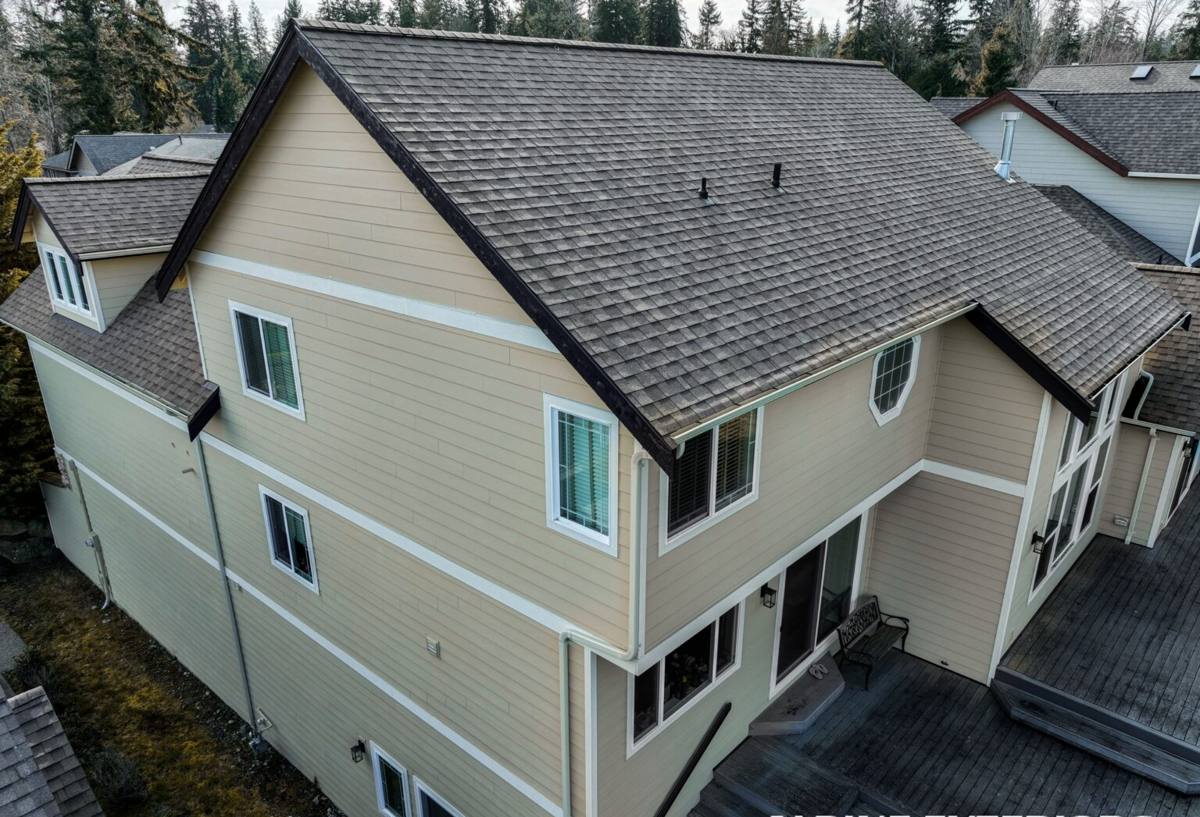
What Local Homes Actually Need From a Deck
Most of the deck problems we get called out to fix in this area trace back to the same handful of causes: water sitting where it shouldn't, hardware that wasn't rated for a coastal-adjacent climate, and decking material chosen for looks or price without much thought to how it handles constant damp shade.
The conditions we're building against
- Salt-laden air off the bay that accelerates corrosion on unprotected metal fasteners and connectors
- Extended stretches of steady, driving rain rather than short heavy downpours — water has time to find every gap
- Shaded, damp spots under tree cover where moss and algae establish and never fully dry out
- Clay-heavy soil common around Whatcom County, which drains slowly and puts extra load on footings during wet months
- Freeze-thaw cycles that are mild but frequent, which work fasteners and joints loose over time if they weren't tight to begin with
Materials and Hardware: What Actually Holds Up
The single biggest lever for long-term performance is what the deck is built from — both the visible decking and the framing hardware underneath it that nobody sees after installation.
| Material / Component | How it performs in Samish's climate | Our standard |
|---|---|---|
| Pressure-treated framing lumber | Handles ground and moisture contact well if properly flashed; can cup or check if end grain is left exposed to standing water | Used for structural framing, always with joist tape on top surfaces |
| Cedar decking | Naturally rot-resistant and handsome, but needs regular oiling or sealing to keep moss and graying at bay in shaded, damp spots | Offered where a natural wood look is the priority |
| Capped composite decking | Sheds water, resists staining, and doesn't absorb moisture the way wood does — moss still needs washing off but doesn't take hold in the material itself | Our most common recommendation for shaded or water-adjacent lots |
| Standard zinc-coated fasteners | Corrode noticeably faster in salt-influenced air; can streak decking and weaken over time | Not used on our builds in this area |
| Stainless or ceramic-coated fasteners | Resist salt-air corrosion and hold their grip over the life of the deck | Standard on every Samish project |
The Details Most Deck Builds Skip
A deck that looks solid on installation day can still be set up to fail in three or four years if a few unglamorous details get skipped. These are the ones we won't cut out, even though none of them are visible once the boards are down.
Ledger board flashing
Where the deck attaches to the house is the single most common source of rot on any deck in a wet climate. Proper flashing — installed so water sheds away from the house wall rather than behind the ledger board — is non-negotiable. This is also the connection point building inspectors look at most closely, for good reason.
Joist protection tape
A strip of self-adhering flashing tape over the top of every joist keeps rainwater from soaking directly into the cut lumber through screw holes. It's inexpensive and takes very little extra time to install, and it's one of the most effective things we do to extend the life of the framing.
Board spacing and airflow
Gaps between decking boards need to be sized to let water drain and air circulate underneath, especially in shaded corners where boards otherwise stay damp for days after a storm. Too tight, and you get trapped moisture and premature moss growth; too wide, and the deck feels unfinished and can catch debris.
Footings sized for the soil
Whatcom County's clay-heavy soil holds water and shifts more than sandy or well-drained soil. Footings need to be dug to the proper frost depth and sized appropriately so the deck doesn't develop a lean or bounce as the ground around it moves through wet and dry seasons.
Composite vs. Wood: An Honest Comparison
We install both, and the right answer depends on the lot, the budget, and how much upkeep an owner actually wants to do.
| Factor | Wood (cedar/treated) | Capped composite |
|---|---|---|
| Upfront cost | Generally lower | Generally higher |
| Maintenance in this climate | Annual cleaning and periodic sealing to fight moss and graying | Occasional washing; no sealing required |
| Moss resistance | Lower — porous surface gives moss something to grip | Higher — capped surface sheds moisture and moss more easily |
| Appearance over time | Ages naturally; character depends on upkeep | Color stays consistent for the warranty period |
| Lifespan with proper install | 15–25 years, upkeep-dependent | 25–30+ years, manufacturer-warranty dependent |
Neither material is wrong for Samish. The mistake we see most often is choosing based on price alone without factoring in how much shade and moisture exposure a particular yard actually gets.
How We Build a Deck in Samish
- Site walk and drainage assessment. We look at how water actually moves across the yard, where shade sits through the day, and how close the build site is to grade level, since low, shaded decks hold moisture longer.
- Design and material selection. We talk through wood versus composite honestly, including what upkeep each one will actually require given the specific spot on the property.
- Permitting. We handle the permit application and inspection scheduling with the local jurisdiction, including any setback requirements tied to proximity to water where applicable.
- Footings and framing. Footings are dug to proper frost depth for this soil, framing goes up with joist tape and flashed ledger connections, and every fastener is stainless or coated for salt-air resistance.
- Decking and railing installation. Boards are spaced for drainage and airflow; railings are set to current code requirements.
- Final walkthrough. We go over basic care — what to hose off each season and what to watch for — so the deck's finish and structure both hold up as intended.
Moss, Algae, and Keeping a Deck Looking Good Year-Round
Even a well-built deck in this part of Whatcom County will see some moss and algae growth, especially in shaded corners and on north-facing sections. That's normal — it's not a sign of a bad build. What matters is that the deck is designed so moss doesn't take hold in the structure itself, only on the surface where a seasonal wash-down handles it.
A simple annual routine — clearing leaf litter from between boards before it composts in place, hosing off green growth before it gets established, and checking that gaps and drainage paths haven't gotten blocked by debris — keeps most Samish decks looking clean without any specialized products or heavy labor.
What to Ask Before Hiring Anyone to Build Your Deck
- Do they flash the ledger board connection, and can they explain how?
- Do they use joist protection tape on framing, or just the decking material itself?
- What fastener grade do they use, and is it appropriate for salt-air exposure?
- Are they licensed to pull permits in your jurisdiction, and do they handle the inspection process?
- Can they speak specifically to how their footing depth and spacing account for local soil conditions?
- Do they give a straight answer on wood versus composite trade-offs, or push one option regardless of your site?
Why Local Experience in Samish Matters
A deck builder who mostly works drier inland areas can still frame a deck that looks right on installation day. What's harder to get right without local experience is anticipating how a specific lot's shade pattern, soil, and salt exposure will treat that deck over the next fifteen years. We've built and repaired decks throughout the Chuckanut and Samish area long enough to know which details actually matter here versus which ones are just good practice everywhere. That's reflected in how we flash, fasten, and space every deck we build in this area — not as an upsell, but as our standard.
If you're planning a new deck or replacing one that's showing its age, we're happy to walk the site with you, look at what your yard's drainage and shade actually demand, and put together a straightforward, no-pressure estimate. Use the form below to get started.