 Chuckanut
 Deck Replacement Built for Blanchard's Coastal Foothill Conditions
Blanchard sits in that in-between zone where the Chuckanut foothills meet saltwater air drifting up from Samish Bay and the Sound. It's a beautiful place to have a deck — and a tough place to keep one. Homes here deal with a combination that most inland decks never see: salt-laden air that accelerates corrosion, long stretches of driving rain off the water, and a moss season that can run half the year in shaded, tree-covered lots. A deck built to a generic spec sheet rarely holds up to all three at once. One built for this specific corner of Washington does.
This page is about one job, done right, for this one area: replacing a deck that's past the point of patching, with materials and methods chosen for what Blanchard properties actually deal with year after year.
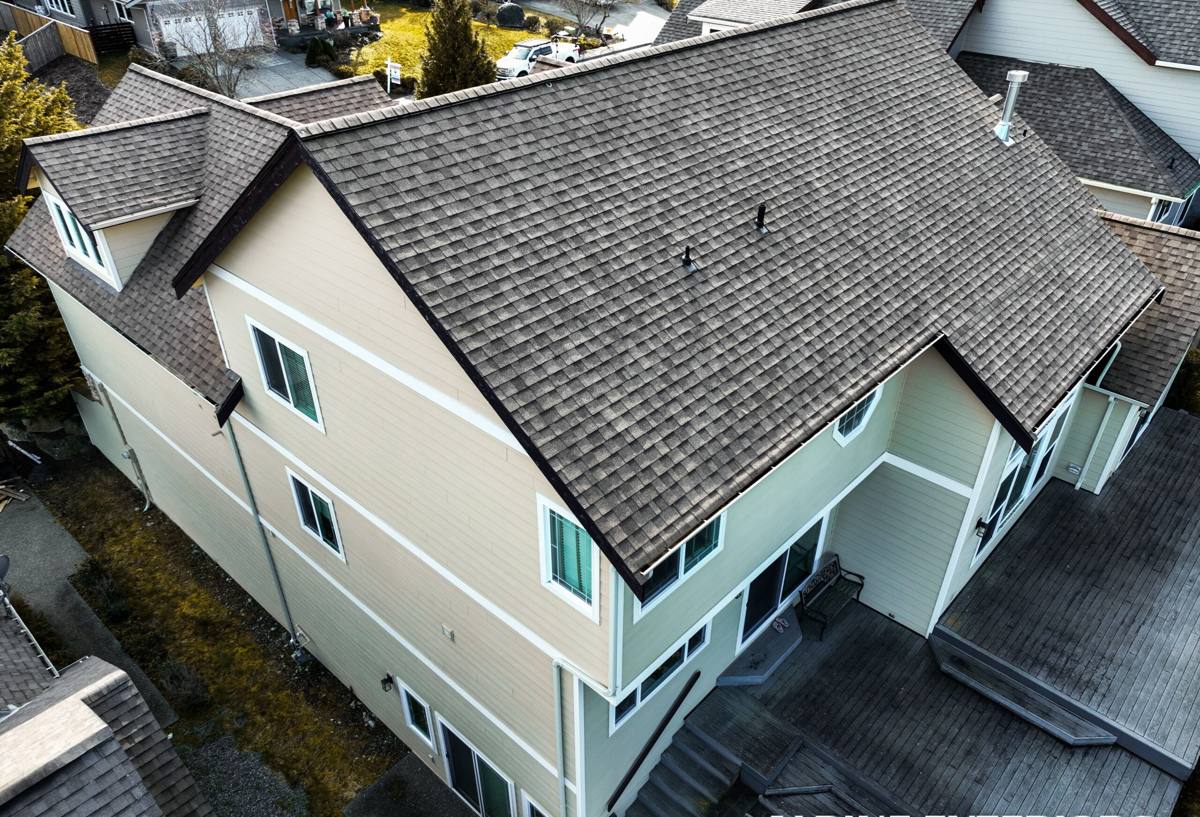
Why Decks Wear Out Faster Around Blanchard
Salt Air and Metal Fatigue
Proximity to saltwater doesn't just affect siding and gutters — it eats hardware. Standard deck screws, joist hangers, and bolts that would last decades inland can start showing rust and pitting in a fraction of that time when they're exposed to salt-tinged air, especially on decks with any western or water-facing exposure. Once fasteners weaken, the structural integrity of the whole deck is in question even if the boards on top still look fine.
Driving Rain and Water Intrusion
Rain in this part of Washington doesn't always fall straight down. Wind-driven rain off the water pushes moisture sideways, into ledger connections, under poorly flashed rim joists, and into end grain that was never sealed. Over years, that's how a deck rots from the inside — the top surface can look serviceable while the framing underneath is failing.
Moss, Shade, and Slow Drying
Many Blanchard lots back up to trees or sit in the shadow of the Chuckanut ridgeline for a good part of the day. That shade is great for comfort in summer and terrible for a deck's lifespan — surfaces that don't get direct sun stay damp longer, and moss takes hold on boards, stair treads, and railings. Moss isn't just cosmetic. It holds moisture against the wood and turns walking surfaces slick and dangerous, especially on stairs.
Signs a Blanchard Deck Needs Replacement, Not Another Repair
Not every tired-looking deck needs a full tear-off. But there's a point where patching individual boards is just delaying a bigger, more expensive failure. Look for:
- Soft or spongy spots when you walk across the deck, especially near the house
- Rust streaks running down from fasteners or hardware
- A ledger board that's separating from the house, or gaps where the flashing should be
- Persistent moss or algae that comes back within weeks of cleaning
- Wobble in the railing posts or stair stringers
- Visible rot at post bases, especially where they meet concrete footings
- A deck that was built before current attachment and flashing standards were common practice
If you're seeing two or more of these, a professional inspection before you spend money on cosmetic repairs is the smarter move. Sometimes the framing is sound and only the decking needs replacing; sometimes the framing is the actual problem and new boards on top would just be covering it up.
What a Correct Deck Replacement Actually Involves
A deck replacement isn't just pulling up old boards and screwing down new ones. Done properly, it addresses every layer that keeps water out and weight supported:
Ledger and Flashing
The ledger board — where the deck attaches to the house — is the single most common point of failure we see. Correct flashing here, with proper overlap and a water-resistant barrier between the ledger and the house sheathing, is non-negotiable in a climate with this much driving rain.
Framing and Footings
Joists, beams, and posts get inspected and replaced as needed, sized for the actual load and span, not just matched to whatever was there before. Footings are checked for frost depth and settling, which matters more on sloped or wooded Blanchard lots than on flat, open ground.
Fasteners and Hardware
Given the salt air in this area, we don't cut corners on hardware. Stainless steel or heavy hot-dip galvanized fasteners and connectors cost more up front than standard coated screws, but in a coastal-influenced climate the difference in service life is significant — and hardware failure is exactly the kind of problem that's invisible until it isn't.
Decking Surface
Board selection, spacing, and fastening pattern all affect how well a deck sheds water and resists moss. Proper gapping between boards lets water drain instead of pooling, which matters more here than in a drier climate.
Choosing a Decking Material for This Climate
There's no single "best" decking material — there's a best fit for how a given deck is used, how much shade it gets, and what upkeep the homeowner wants to sign up for. Here's how the common options compare for Blanchard's conditions specifically:
| Material | Moss/Moisture Resistance | Upkeep | Notes for This Climate |
|---|---|---|---|
| Pressure-treated wood | Moderate — needs sealing | Annual cleaning and periodic re-staining | Lowest upfront cost; needs consistent maintenance to resist moss and rot in shaded spots |
| Cedar | Good natural resistance, but surface-level | Regular oiling or sealing to keep look and protection | Popular for looks; still needs real upkeep in wet, shaded areas |
| Composite decking | Very good — doesn't absorb water like wood | Occasional washing, no staining/sealing | Strong fit for shaded, damp lots; quality varies by brand and core construction |
| PVC/capped polymer | Excellent — fully sealed surface | Lowest — soap and water | Best moss resistance of the group; higher material cost, longer expected service life |
We'll walk through these trade-offs honestly during your estimate — including where a given product's warranty terms or installation requirements matter more than the marketing around it.
Our Deck Replacement Process
- On-site assessment — we inspect the ledger, framing, footings, and decking to determine what's actually failing versus cosmetic wear.
- Honest scope and estimate — you get a clear breakdown of what needs replacing, material options, and a straightforward price range, not a vague allowance.
- Demolition and disposal — old decking, framing, and hardware removed and hauled off; we check for hidden rot at the house connection as soon as the ledger is exposed.
- Structural rebuild — new or repaired framing, footings, and ledger flashing brought up to correct attachment standards.
- Decking installation — boards installed with proper spacing and fastening for drainage and long-term stability.
- Final walkthrough — we go over care and maintenance specific to the material you chose and the site conditions of your property.
Permits and Local Code Considerations
Deck replacements that involve structural changes — new footings, changed height, or attached railings — typically require a permit, and inspection standards address ledger attachment and guardrail height specifically because these are common failure points. We handle the permit process as part of the job rather than leaving it to the homeowner to sort out, and we build to current code even when replacing a deck that was originally built under older standards.
Why It Matters to Hire a Crew That Already Works This Area
A contractor who's worked decks around Chuckanut and Blanchard already knows which fastener grades hold up to the salt air, which lots hold moisture longest based on tree cover and slope, and where ledger flashing tends to fail first on homes in this area. That's not something you get from a general contractor working from a standard spec sheet — it's context built from doing this specific work in this specific place. It also means realistic timelines that account for our actual rain patterns, not a schedule built for a drier climate.
Keeping a New Deck in Good Shape
Whatever material you choose, a few habits go a long way in this climate:
- Clear leaves and debris from between boards regularly, especially in fall
- Rinse or lightly scrub shaded areas where moss tends to return
- Check railing posts and stair connections once a year for movement
- Keep gutters and downspouts clear so runoff isn't draining onto or near the deck
- Re-seal wood decking on the schedule recommended for the product, not just when it looks dry
If you're in Blanchard or the surrounding Chuckanut area and your deck is showing its age, we're happy to take a look and give you a straight answer on whether it needs replacing or just some targeted repair. Reach out for a free, no-pressure estimate using the form below.