 Chuckanut
 Building a Deck That Actually Holds Up Near Chuckanut
Edison sits in one of the wettest, saltiest corners of the Pacific Northwest coastline. A deck built here has to deal with three things most inland decks never see in combination: salt-laden air off the bay, long stretches of driving, wind-blown rain, and a moss season that can run eight months or more. A deck that would be fine in a drier part of Whatcom or Skagit County can fail early here if it's built to a generic spec instead of a local one.
This page is about deck building specifically for Edison-area homes — what the climate does to a deck over time, what a correctly built deck looks like in this environment, and how we approach the job so you're not repairing or replacing it in eight years instead of twenty-five.
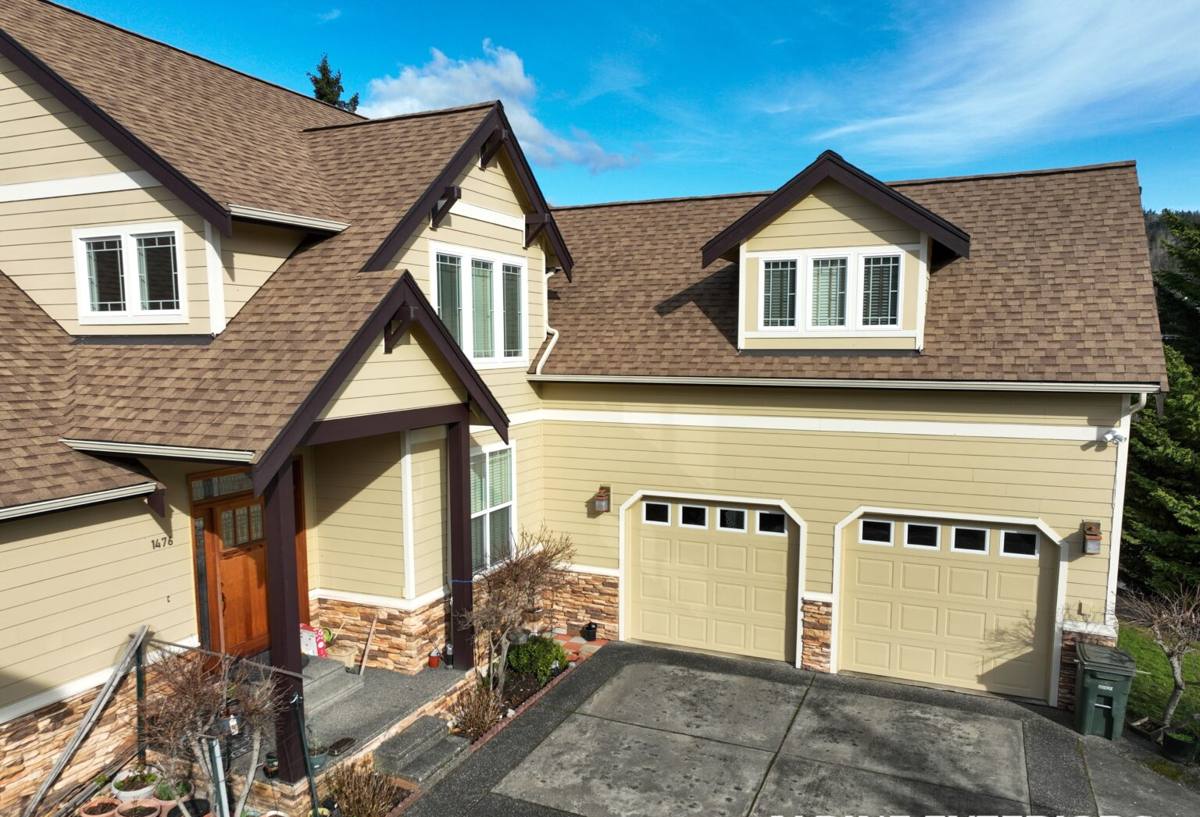
What Salt Air, Driving Rain, and Moss Actually Do to a Deck
None of these three factors is dramatic on its own. Together, over years, they're what separates a deck that ages gracefully from one that starts showing problems early.
Salt air and corrosion
Proximity to Samish Bay and the surrounding tidal flats means airborne salt is a constant, low-level presence, even well inland from the water. Salt accelerates corrosion in any exposed metal — fasteners, joist hangers, post bases, railing brackets. A fastener rated for general outdoor use in a drier climate can start rusting and staining the decking around it within a few seasons here. Once a fastener corrodes, it loses holding strength long before it looks bad enough to notice from the surface.
Driving rain and moisture intrusion
Rain here doesn't just fall — wind pushes it sideways and up under overhangs, ledger boards, and railing posts. That means water finds its way into gaps and fastener holes that would stay dry in a calmer climate. The places decks actually fail — ledger-to-house connections, post bases, stair stringers — are almost always failures of keeping water out, not failures of the wood or composite material itself.
Moss season
Shaded, damp decking surfaces in this region can hold moisture and start growing moss for the better part of the year. Moss isn't just a slip hazard — it holds water against the decking surface long after the rest of the deck has dried, which speeds up rot in wood and can dull or stain composite surfaces if it's not cleaned off. Deck orientation, gap spacing, and surface texture all affect how bad this gets.
Framing and Ledger Attachment: Where Decks Really Fail
Almost every serious deck failure we see traces back to the connection between the deck and the house — the ledger board — or to undersized, poorly protected framing. In a climate that stays wet for long stretches, these connections need extra attention that a fair-weather build might skip:
- Proper flashing behind and over the ledger board, not just a bead of sealant, so water is shed away from the house framing instead of trapped against it
- Structural screws or through-bolts rated for the load, not just nails or standard deck screws, at the ledger connection
- A gap or drainage plane between the ledger and the siding so water doesn't sit trapped against the house wall
- Joist hangers and structural hardware rated for the coastal/high-moisture exposure, not generic interior-grade hardware
- Posts set on proper concrete footings with post bases that keep the wood off standing water, rather than posts buried directly in the ground
Get this part wrong and it's usually hidden behind decking boards for years before anyone notices — by which point you're often looking at a rebuild instead of a repair.
Choosing Decking Material for This Climate
There's no single "best" decking material — there's a best material for your budget, your maintenance appetite, and how much sun or shade your particular deck gets. Here's how the common options actually perform in a wet, salt-influenced, moss-prone environment like Edison's:
| Material | Upfront Cost | Moisture & Salt Behavior | Moss/Slip Tendency | Ongoing Maintenance |
|---|---|---|---|---|
| Pressure-treated wood | Lowest | Good if properly sealed and re-sealed; end grain is the weak point | Higher — porous surface holds moss and algae without regular cleaning | Annual cleaning, re-sealing every 1-3 years |
| Cedar | Mid | Naturally rot-resistant but still needs sealing in this rainfall | Moderate — smoother grain than PT, still needs cleaning | Cleaning and oil/sealer every 1-2 years to hold color and protection |
| Capped composite | Higher | Excellent — doesn't absorb water or rot; core matters less than the cap quality | Lower with textured, ridged profiles; smooth/glossy composites can be slicker when wet | Periodic washing; no sealing or staining required |
We don't push one material over another as a rule — we tell you honestly what the trade-offs are for your specific deck's sun exposure, budget, and how much upkeep you actually want to do. A shaded, low-airflow deck under trees is a different decision than an open, sunny one, even on the same street.
Fasteners, Flashing, and Hardware — Where Corners Get Cut
This is the part of a deck build that's invisible once the decking boards go down, and it's also where cheap builds save the most money by using the wrong materials. In a salt-air environment, hardware quality is not optional:
- Stainless steel or coated fasteners rated for coastal/high-corrosion exposure, matched to the decking material manufacturer's requirements if you're using composite
- Hot-dip galvanized or stainless structural hardware for joist hangers, post bases, and ledger connections
- Proper flashing tape and membrane at every point water can enter — the ledger, stair stringers where they meet concrete, and any post that penetrates the decking surface
- Mixing metals correctly — the wrong combination of fastener and hardware metal can actually accelerate corrosion of both
None of this shows up on a quick visual inspection of a finished deck. It shows up five or ten years later, in the form of rust streaks, loose railings, or a soft spot where a ledger connection has been slowly failing.
Drainage, Slope, and Keeping Moss Under Control
A deck surface should never be perfectly flat — a slight slope away from the house, correct board spacing, and clear drainage underneath all matter more in a climate that rains this often. Standing water anywhere on or under a deck is what turns a moss problem into a rot problem. Good practice includes a slight pitch built into the framing, consistent gapping between boards so water passes through instead of pooling on top, and keeping the area under the deck clear enough that it can actually dry out between storms instead of staying damp all winter.
Our Deck Building Process
We build decks the same methodical way regardless of material choice, because the framing and moisture management underneath matters more than what's on top:
- On-site assessment — we look at sun/shade exposure, drainage, existing structure if it's a rebuild, and how the deck ties into your home's siding and rooflines
- Design and material selection — honest discussion of decking and railing options against your budget and maintenance preferences
- Permitting — we handle the permit application and inspections required by your local jurisdiction
- Framing and structural work — footings, posts, joists, and ledger attachment built to coastal-grade hardware standards, not the minimum code allows
- Decking, railing, and finish work — installed to the spacing and drainage details that matter in this climate
- Final walkthrough — we go over maintenance expectations specific to the material you chose
Permitting Near the County Line
Edison sits close enough to the Whatcom/Skagit county boundary that which jurisdiction handles your permit depends on your exact parcel. Deck permitting typically covers structural framing, footing depth, guardrail height, and stair requirements — and rules can differ slightly between counties on things like setback distances and inspection sequencing. We handle this as part of the job so you're not the one figuring out which county office to call.
Deck Maintenance Checklist for This Climate
Whatever material you choose, a little seasonal attention goes a long way toward getting the full lifespan out of a deck built in this environment:
- Sweep debris and standing leaves off the deck surface regularly through fall and winter
- Clean moss and algae off the surface at least once a year, more often on shaded decks
- Check railing posts and stair connections annually for looseness — an early sign of a fastener or framing issue
- Re-seal wood decking on the manufacturer's recommended schedule; don't wait for visible graying or cracking
- Keep the space underneath the deck clear of debris so it can dry between rain events
- Look for rust staining around fasteners, which signals it's time to have hardware inspected
Why Local Experience with Edison Homes Matters
A deck contractor who mostly works drier inland areas will often spec a deck that's technically code-compliant but not really built for what Edison's coastline throws at it year-round. We work this specific stretch of coastal Whatcom and Skagit County regularly, which means we're not guessing at what salt air and eight months of rain do to fasteners, framing, and decking surfaces — we've seen it, and we build accordingly from the first footing.
If you're planning a new deck or replacing one that's showing its age, we're happy to take a look and give you a straightforward, no-pressure estimate. Use the form below to get started.