 Chuckanut
 Decks in Edison Take a Different Kind of Beating
Edison sits close enough to the water that salt air is a constant, not an occasional visitor. Combine that with the steady rainfall this part of Northwest Washington gets for most of the year, plus a moss and algae season that can stretch from fall through spring, and you have a set of conditions that ages a deck faster than most manufacturers' warranty language accounts for. A deck built the same way you'd build one inland — same fasteners, same flashing details, same footing depth — will not hold up the same way out here. That's the gap we're built to close.
This page is specifically about deck replacement for homes in and around Edison, not a general overview of decks everywhere. If your deck is past the point of patching and you're weighing a full rebuild, here's what actually matters for this location.
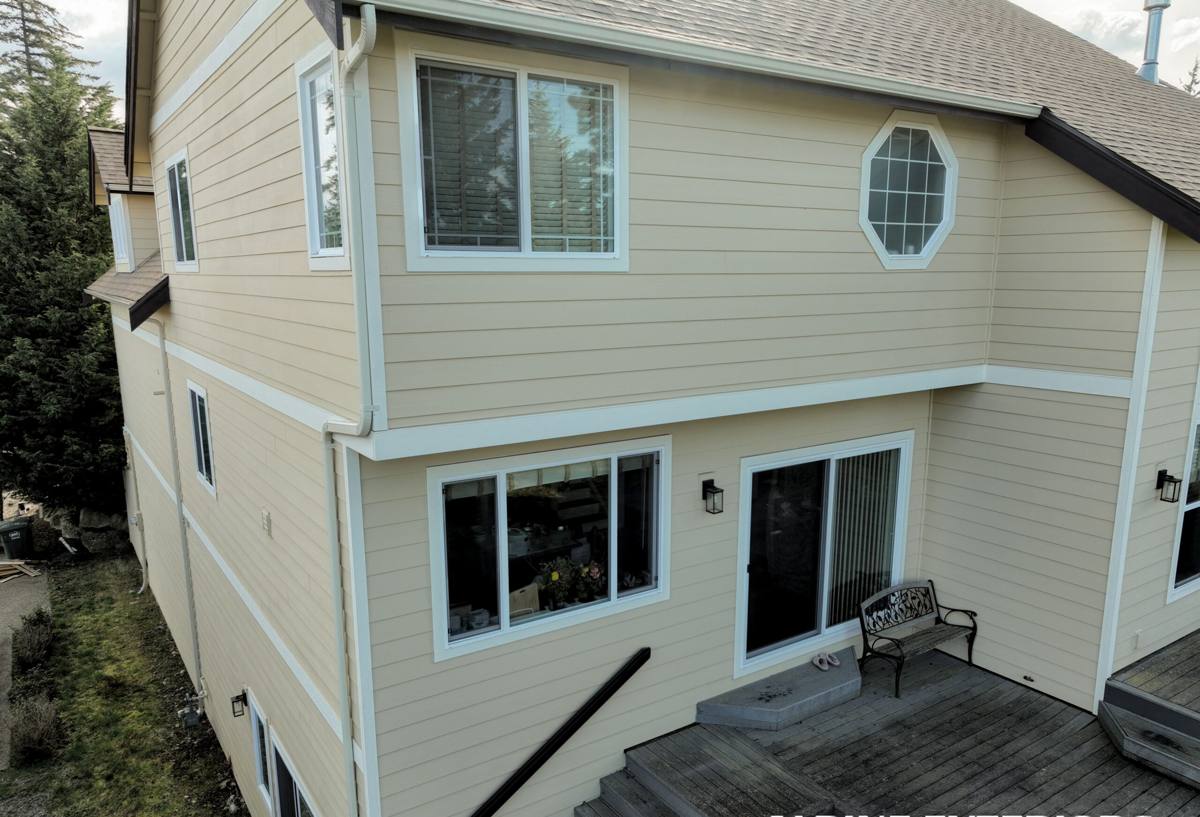
How Salt Air, Rain, and Moss Actually Damage a Deck
Salt Air and Metal Fasteners
Airborne salt accelerates corrosion on anything metal — nails, screws, joist hangers, structural connectors. Once a fastener starts to rust, it loses holding strength long before the rust is visible from the top of the deck. On an older deck, this is often the real reason boards feel spongy or railings feel loose, even when the wood itself looks intact.
Standing Rain and Ledger Rot
The ledger board — where the deck attaches to the house — is the single most common failure point we see on decks in this area. Years of driving rain finding its way behind poorly flashed ledger boards leads to hidden rot, sometimes without any visible sign from underneath until the wood has lost significant structural integrity.
Moss, Algae, and Trapped Moisture
A long moss season means organic growth gets a real foothold on horizontal wood surfaces, especially in shaded or low-airflow spots. Moss holds moisture against the board surface, which speeds up decay in wood decking and can stain or degrade composite surfaces that aren't cleaned regularly. It also makes decking slick, which is a safety issue as much as a maintenance one.
Signs a Deck Needs Replacement, Not Repair
Not every worn deck needs a full rebuild. But there are signs that go past cosmetic and point to structural failure, where repair is a short-term patch at best:
- Soft or spongy spots in decking boards, especially near the house or in shaded areas
- Rust staining or visible corrosion at joist hangers, ledger bolts, or railing posts
- Any movement or bounce in the ledger board connection to the house
- Posts or footings that have shifted, settled, or show rot at ground contact
- Railings that flex or feel loose under normal pressure
- Persistent moss or algae that returns within weeks of cleaning, indicating trapped moisture underneath
If two or more of these show up together, the deck has usually crossed from "needs repair" into "needs replacement," because the underlying structure — not just the surface — is compromised.
What a Correct Replacement Involves Here
Ledger Board and Flashing
Given how often ledger rot is the root cause of failure in this area, we treat ledger flashing as a non-negotiable step, not an afterthought. That means proper flashing installed to shed water away from the house band board, correct fastener spacing rated for the load, and a connection that's inspected before any decking goes down over it — because once boards are on, this detail is hidden for years.
Fasteners and Hardware
Given the salt exposure, we use corrosion-resistant, coated fasteners and structural hardware rated for exterior and coastal-adjacent use. This is a small line-item difference in materials but a large difference in how long the frame holds up before hardware failure becomes the limiting factor, rather than the decking itself.
Footings and Framing
Footings are set to the depth and bearing required by local code, with attention to drainage around the base so water isn't sitting against post bases through the wet months. Framing lumber is pressure-treated and rated for ground or moisture contact anywhere it's exposed to the elements, with joist tape or a comparable barrier used where decking attaches, to slow moisture intrusion into the top of the joists.
Decking Surface
Whatever material is chosen, spacing and fastening are set to allow for proper drainage and airflow underneath — a detail that matters more here than in drier climates, since standing water and trapped moisture are the main drivers of both wood rot and algae growth.
Choosing a Decking Material for This Climate
There's no single "best" decking material — it depends on your budget, how much upkeep you want to do, and how the deck is used. Here's how the common options actually perform under salt air, rain, and moss pressure:
| Material | How It Handles This Climate | Maintenance Reality |
|---|---|---|
| Pressure-treated wood | Solid performance if properly flashed and fastened with corrosion-resistant hardware; most vulnerable to moss and surface rot without upkeep | Needs cleaning and resealing every 1-2 years to hold up |
| Cedar | Naturally moisture- and insect-resistant, ages well visually, but still needs protection from constant moss buildup | Periodic cleaning and finish maintenance to prevent graying and moss staining |
| Composite decking | Resists rot and doesn't need sealing; still needs regular cleaning since moss and algae will grow on any horizontal surface | Low upkeep, but not zero — periodic washing is still required |
| PVC/capped composite | Most resistant to moisture absorption and staining; performs well in salt-air and high-moss environments | Lowest maintenance of the common options, higher upfront cost |
We'll walk through these trade-offs honestly based on your specific site — sun exposure, shade, proximity to the water, and how much maintenance you're realistically willing to do — rather than pushing one product across every job.
Our Process for a Deck Replacement
1. On-Site Assessment
We look at the existing structure from the ground up — footings, framing, ledger connection, and decking — to confirm what's actually failing versus what's cosmetic. This also tells us what local permitting requirements apply, since deck rebuilds of a certain size or height typically require a permit.
2. Tear-Off and Structural Inspection
Once the old decking and railings are removed, we inspect the framing and ledger connection directly. This is often when hidden rot or corrosion becomes fully visible, and it's the point where the scope of the project gets confirmed before rebuilding.
3. Rebuild
Framing, flashing, footings, and decking go in following the details above — matched to your chosen material and the specifics of your site's exposure to rain, wind, and moisture.
4. Final Walkthrough
We go over the finished deck with you, including basic maintenance expectations for whichever material was installed, so you know what upkeep actually looks like going into the wet season.
Why It Matters That We Already Work in Edison
A crew that only occasionally works this stretch of coastline tends to build decks the way they'd build them anywhere else — because that's the only frame of reference they have. A crew that regularly works in and around Edison sees the same failure patterns repeatedly: the same ledger rot, the same corroded hardware, the same moss buildup in shaded corners. That pattern recognition changes how we flash a ledger board, which fasteners we default to, and where we tell a homeowner to expect maintenance issues before they show up.
Local familiarity also means a straighter path through permitting and inspection, since the requirements and expectations are already known rather than researched fresh for every job.
Maintaining a New Deck Through Whatcom County's Wet Season
A correctly built deck still needs some ongoing attention in this climate. A short annual routine goes a long way toward protecting the investment:
- Clean moss and algae off decking surfaces at least once a year, more often in shaded areas
- Keep gutters and downspouts clear so runoff isn't draining directly onto or under the deck
- Check the ledger board area annually for any signs of water staining or gaps in flashing
- Trim back vegetation that's shading the deck and slowing it from drying out between rains
- Reseal wood decking on the manufacturer-recommended schedule; wash composite or PVC decking periodically even though it doesn't need sealing
- Inspect railings and stair connections for looseness at the start of each season
Get an Honest Look at Your Deck
If your deck is showing soft spots, rust staining, or persistent moss that won't stay gone, it's worth having someone look at the structure underneath before deciding between repair and replacement. We'll give you a straight assessment, walk through material options that fit your budget and how you use the space, and provide a free, no-pressure estimate — just fill out the form below to get started.