 Chuckanut
 Roofing in Edison: Built to Handle Salt Air, Rain, and Moss
Edison sits close enough to the water and the wet lowland air of the Chuckanut corridor that its roofs work harder than roofs a few miles inland. Salt-laden air off the bay corrodes fasteners and flashing faster than most manufacturers' warranty language accounts for. Driving rain, pushed sideways by wind off the water, finds every weak seam and undersized flashing detail. And the long gray stretch between fall and spring gives moss and algae months of shade and moisture to take hold on north-facing slopes and anywhere debris collects. A roof that would hold up fine in a drier part of Washington can fail early here if it wasn't designed with these specific conditions in mind.
A correct new roof installation in Edison isn't just about picking a shingle color. It's about material selection, fastener choice, flashing detail, and ventilation working together so the roof actually performs in this environment for its full expected life, not just on paper.
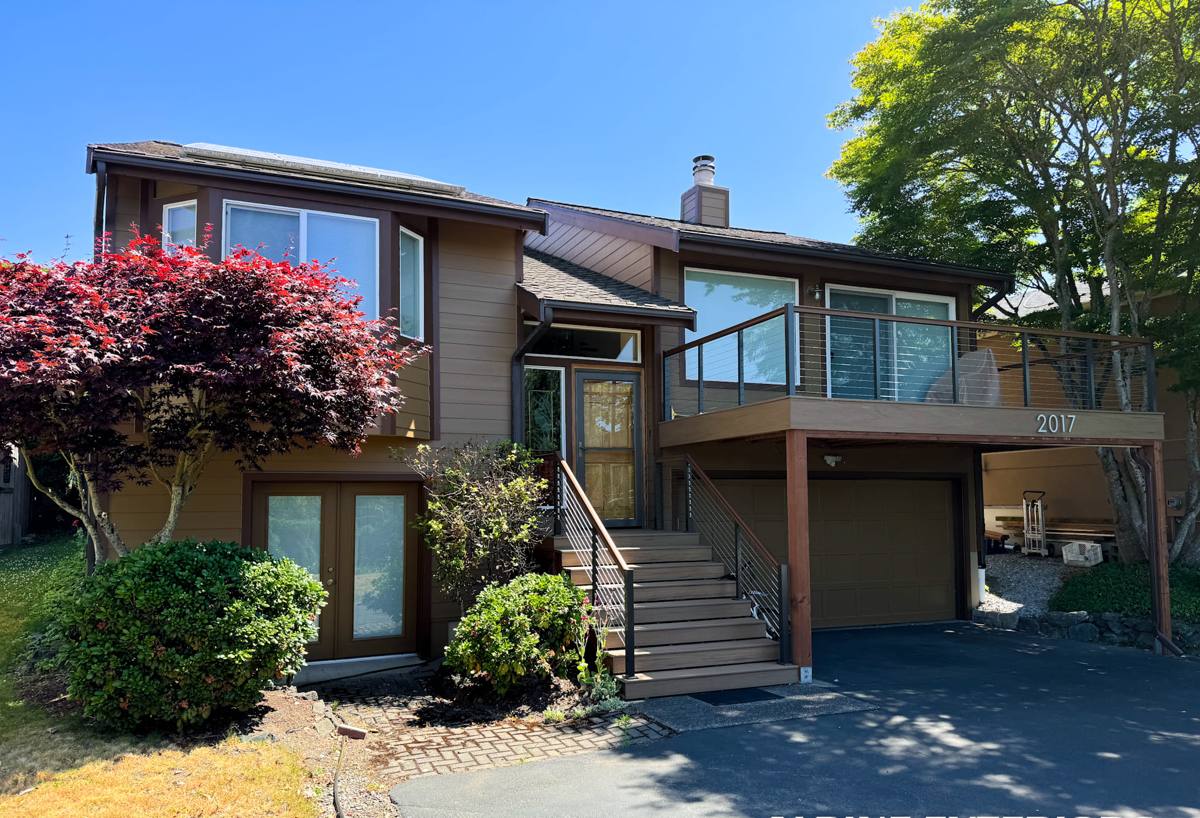
When It's Time for a New Roof, Not Another Repair
Homeowners often ask us to patch a problem that a patch won't fix. Some signs point clearly toward full replacement rather than another repair:
- Granule loss heavy enough that you can see bare, shiny patches on asphalt shingles
- Shingles that are cupping, curling, or cracking across large sections of the roof, not just one spot
- Soft or spongy decking felt underfoot when walked, or visible sagging between rafters
- Repeated leaks in different locations each winter, rather than one recurring spot
- A roof approaching or past its material's realistic service life for this climate
- Moss growth so established it's lifting shingle edges or holding standing moisture against the roof deck
If the roof is otherwise sound and the issue is isolated — a damaged vent boot, a section of lifted flashing — a repair is the right call and we'll tell you that. Replacement makes sense when the underlying material or structure is compromised, not just the surface.
What a Correct New Roof Installation Actually Involves
Tear-Off and Deck Inspection
A full tear-off exposes the decking, which is the part of the roof that never gets a second chance to be installed correctly. Any water damage, soft spots, or rot found here gets addressed before a single new shingle goes down. Skipping this step — or "roofing over" an existing layer — buries problems that will resurface as leaks within a few years, no matter how good the new surface material is.
Underlayment and Flashing
In a climate with this much sustained rain, underlayment is not a formality. Synthetic underlayment, properly lapped and fastened, gives the roof a second line of defense if wind-driven rain gets under the surface layer. Flashing at valleys, chimneys, skylights, and wall intersections is where most leaks actually originate — not from failed shingles in the open field of the roof. Correct flashing detail, using corrosion-resistant materials suited to salt-air exposure, matters more to long-term performance than almost any other single decision on the job.
Ventilation
A roof needs balanced intake and exhaust ventilation to manage the moisture that naturally moves through a home, especially during a wet Pacific Northwest winter. Poor ventilation traps warm, moist attic air against the underside of the decking, which accelerates rot from the inside and feeds the same moss and algae growth that's already a problem on the outside. Ventilation is one of the least visible parts of a roof installation and one of the most commonly shortchanged.
Choosing the Right Roofing Material for This Climate
There's no single "best" roofing material for every home — it depends on the roof's exposure, the home's structure, and the owner's priorities on cost, appearance, and maintenance. Here's how the common options actually perform under Edison's conditions:
| Material | Salt Air Resistance | Moss/Moisture Resistance | Typical Lifespan Here | Maintenance Needs |
|---|---|---|---|---|
| Architectural asphalt shingle | Good, with corrosion-resistant fasteners | Fair — needs periodic cleaning on shaded slopes | 20-30 years | Moderate |
| Standing seam metal | Very good, with proper coating and fasteners | Very good — sheds moss and debris well | 40-50+ years | Low |
| Cedar shake/shingle | Fair — needs quality treatment and airflow | Poor without diligent upkeep | 20-30 years with maintenance | High |
| Synthetic/composite shingle | Good | Good — resists moisture absorption | 30-50 years | Low to moderate |
We generally steer homeowners away from untreated cedar in this specific environment. It's a beautiful material, but sustained moisture and shade give it a shorter, higher-maintenance life here than in drier regions, and the upkeep required to keep it performing well is a real ongoing cost — not a knock on cedar as a product, just an honest read on how it behaves in Edison's rain and shade patterns. Metal and quality architectural asphalt tend to give homeowners the best balance of upfront cost, appearance, and long-term performance for this climate.
Our New Roof Installation Process
- On-site inspection and measurement, including a look at attic ventilation and any signs of existing moisture damage
- A written estimate that lays out material options, cost factors, and an honest recommendation for your specific roof
- Scheduling that accounts for weather windows — we don't tear off a roof and gamble on a dry forecast in the Chuckanut area
- Full tear-off, deck inspection, and repair of any damaged sheathing before new material goes down
- Installation of underlayment, flashing, ventilation components, and the finished roofing material to manufacturer and code specifications
- Final walkthrough with the homeowner and cleanup, including magnetic sweep for stray fasteners in the yard and driveway
We don't sell every homeowner the most expensive option. Part of doing this job honestly is matching the material and installation approach to your roof's actual exposure and your budget, not upselling a premium system a simpler roof doesn't need.
Moss and Algae: Why It's a Bigger Deal Here Than Most Places Realize
Moss doesn't just look bad — it holds moisture directly against roofing material, which shortens the life of nearly every common roofing product. In Edison and the broader Chuckanut area, the combination of shade from mature trees, long wet winters, and mild temperatures gives moss ideal growing conditions on north- and east-facing roof slopes especially. A new roof installation is the right time to address this proactively: zinc or copper strips near the ridge line release trace metal ions with rainfall that inhibit moss and algae growth over the life of the roof, and proper attic ventilation reduces the interior moisture that can work its way to the roof deck from underneath. Neither addition is a guarantee moss will never appear, but both meaningfully reduce how fast and how heavily it comes back.
Maintaining Your New Roof After Installation
A well-installed roof still needs basic upkeep to reach its full expected lifespan in this climate. A few habits go a long way:
- Clear gutters and downspouts at least twice a year, more often if the property has overhanging trees
- Keep tree limbs trimmed back from the roofline to reduce shade, debris, and abrasion
- Have moss or algae growth addressed before it spreads across a full slope, not after
- Check attic ventilation isn't blocked by insulation, especially after any attic work
- Schedule a visual roof inspection after major windstorms, which are common along this stretch of coastline
- Address minor flashing or fastener issues promptly rather than waiting for a leak to appear inside the home
Why Local Experience in Edison Matters
A crew that already works in and around Edison has already seen how the local exposure to salt air, wind, and rain affects roofs over time — which flashing details tend to fail first, which slopes hold moss longest, which fastener grades actually hold up. That's different from installing roofs primarily in drier inland climates and applying the same specs everywhere. We size up each roof against what this specific stretch of Whatcom County weather does to a home over years, not just what a manufacturer's general spec sheet says.
It also means we're reachable and accountable after the job is done. If a question comes up two years into a new roof's life, you're not calling a crew that worked in the area once and moved on — you're calling a contractor with an ongoing presence here.
A Roof Built for Edison, Not a Generic Install
The right new roof for a home in Edison accounts for salt air, driving rain, and a long moss season from the first material decision through the final flashing detail — not as an afterthought, but as the basis for the whole plan. If your roof is showing its age or you just want an honest read on its current condition, we're happy to take a look. Request a free, no-pressure estimate using the form below and we'll walk the roof, answer your questions, and give you a straight assessment of what it actually needs.