 Chuckanut
 Why Window Performance Matters More in Sedro-Woolley
Sedro-Woolley sits where the Skagit Valley meets the foothills, and that location gives homes here a mixed bag of weather to deal with year-round. You get long stretches of steady, driving rain off the water, damp marine air that never fully dries out between storms, and a moss season that can run from late fall through spring. None of that is unusual for this part of Washington, but it puts real demands on a home's windows that a lot of off-the-shelf replacement jobs don't account for.
Old single-pane or early-generation double-pane windows in this climate tend to show their age in predictable ways: fogged glass from failed seals, soft or swollen wood sashes, drafts around the frame, and condensation on the inside of the glass during cold, wet stretches. Energy-efficient replacement windows address the comfort and utility-bill side of that equation, but in a place like Sedro-Woolley, the bigger win is often moisture control — keeping water out of the wall assembly in the first place.
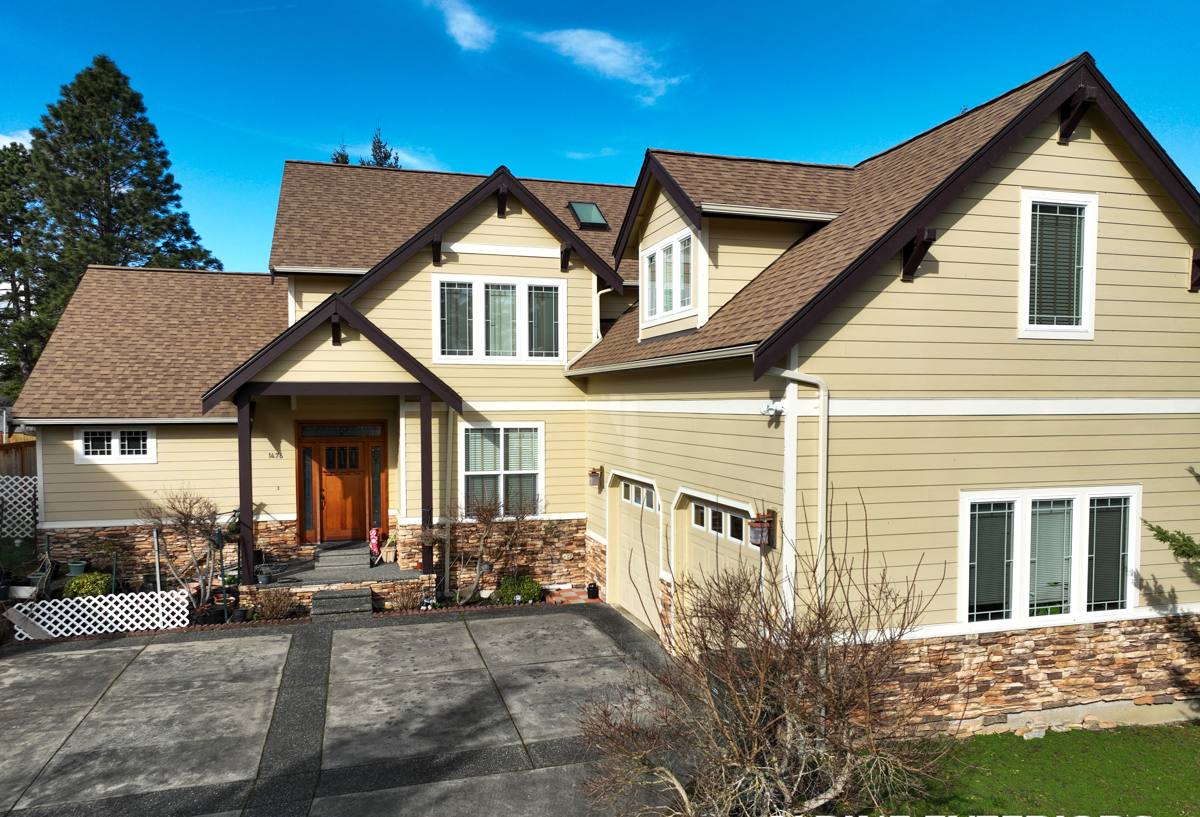
What "Energy-Efficient" Actually Means for This Climate
Energy-efficient windows aren't a single product — it's a combination of glass, frame, and installation choices working together. In Western Washington's climate, the priorities are a little different than they'd be in a hot, dry region.
Glass and Coatings
Low-E (low-emissivity) coatings are the baseline for any energy-efficient window in this region. They reflect radiant heat while still letting visible light through, which helps in both directions — keeping heat inside during our cold, wet winters and reducing solar gain on the rare hot summer days. Double-pane glass with an inert gas fill (typically argon) is standard; triple-pane can make sense on north-facing walls or homes right along more exposed stretches near the water, but it adds weight and cost that isn't always worth it for every elevation.
Frame Material
Frame choice matters as much as glass here because of moisture exposure, not just thermal performance. Vinyl, fiberglass, and clad-wood frames all perform differently once they've been through a few wet seasons:
| Frame Type | Moisture Behavior | Maintenance | Typical Fit for Sedro-Woolley |
|---|---|---|---|
| Vinyl | Won't rot, resists moss and mildew staining on the surface | Low — occasional rinse | Solid default for most homes, best value |
| Fiberglass | Very stable, minimal expansion/contraction with temperature swings | Low | Good for larger openings or homes with more direct rain exposure |
| Clad-Wood | Exterior clad protects the wood, but any breach in the cladding invites rot over time | Higher — cladding seams need periodic inspection | Best on covered or protected elevations, or where the look is a priority |
| Bare Wood | Prone to swelling, checking, and rot without diligent upkeep in this climate | High — regular painting/sealing | We generally steer homeowners away from this for full sun/rain exposure |
We're not knocking wood windows as a product — they have real appeal and can perform well in the right application. But we'll tell you honestly when a bare-wood frame is going to be a maintenance headache on an exposed wall in a climate that stays damp as long as ours does. That's a professional judgment call, not a knock on any manufacturer.
The Real Enemy: Moisture, Not Just Heat Loss
Homeowners usually call about window replacement because of drafts or a heating bill that's crept up. Once we're on the roof or up on a ladder inspecting the exterior, moisture damage is almost always part of the picture too. Driving rain in this area doesn't fall straight down — wind-driven rain gets pushed sideways into wall assemblies, and window openings are one of the most common places for water to find a way in if the flashing and sealant details aren't right.
A long moss season compounds this. Moss holds moisture against siding and trim far longer than open air would, and if that dampness is sitting right next to a window opening with marginal flashing, you get slow, hidden rot that isn't obvious until the trim gets soft or paint starts bubbling. This is why we treat window replacement as an envelope job, not just a glass-and-frame swap.
What a Correct Installation Involves
The window unit itself is maybe half the job. The other half is everything around it — and that's where a lot of quality problems actually start.
Removal and Opening Prep
When we pull an old window, we inspect the rough opening before anything new goes in. Sill and jamb framing get checked for soft spots or rot, especially on lower-floor windows and anything near grade or under a roofline without much overhang.
Flashing and Water Management
This is the step that determines whether a window stays dry for the next 20+ years or starts leaking in year three. Proper flashing means a sloped sill pan to direct any water that gets past the window back outward, self-adhered flashing tape integrated correctly with the house wrap or weather-resistive barrier, and head flashing above the window that sheds water rather than trapping it against the frame.
Sealing and Insulation
Low-expansion spray foam or backer rod and sealant around the perimeter closes air gaps without bowing the frame out of square — over-filling with the wrong foam is a common mistake that causes windows to operate poorly for years afterward.
Exterior Trim and Finish
Trim gets caulked and painted or capped with a durable material that matches the surrounding siding, with attention to any spots where moss or algae tend to collect.
Signs Your Sedro-Woolley Home May Need New Windows
- Condensation or fog trapped between the panes (a sign the seal has failed)
- Visible drafts or cold spots near the window frame in winter
- Wood sashes or sills that feel soft, spongy, or show paint failure
- Difficulty opening, closing, or latching the window
- Moss, algae, or dark staining building up on the sill or nearby trim
- Noticeably higher heating costs compared to similar-sized homes nearby
- Visible gaps or cracked caulk around the exterior frame
Sizing the Job: What Drives Cost
Every home is different, but a few factors consistently move the price of a window project up or down. We walk through these with homeowners before any estimate so there aren't surprises.
| Factor | Why It Matters |
|---|---|
| Number and size of openings | More or larger windows means more material and labor, straightforward math |
| Frame material chosen | Vinyl, fiberglass, and clad-wood carry different unit costs and lead times |
| Condition of the rough opening | Hidden rot found during removal adds repair work that a straight swap wouldn't need |
| Accessibility | Second-story or hard-to-reach windows take more time and equipment |
| Full-frame vs. insert replacement | Insert (pocket) replacement is faster and cheaper; full-frame replacement is more thorough when the existing frame or flashing is compromised |
| Trim and finish work | Matching existing siding and trim detail, especially on older homes, can add scope |
Broadly, homeowners in this area can expect per-window costs to range from budget-conscious vinyl inserts on the low end to significantly more for full-frame replacements with fiberglass or clad-wood units and extensive trim work. We'd rather give you a real number after seeing the openings in person than a broad estimate that doesn't match your house.
Insert vs. Full-Frame Replacement
Insert replacement keeps the existing frame in place and fits a new window inside it — faster, less disruptive, and often the right call when the existing frame and flashing are still sound. Full-frame replacement removes everything down to the rough opening, which costs more but is the only real option when there's rot, failed flashing, or you're changing the window size or style. We'll tell you honestly which one your home needs rather than defaulting to the more expensive option.
Our Process for a Sedro-Woolley Window Project
We work this area regularly, which means we already know what the driving rain and moss patterns do to homes here — we're not learning your climate on your project. Our approach on a typical job looks like this:
- On-site walkthrough and inspection of existing windows, trim, and any visible moisture damage
- Honest assessment of insert vs. full-frame replacement for each opening
- Written estimate with frame material and glass options explained in plain terms
- Removal, opening inspection, and any needed framing repair before new units go in
- Proper flashing, sealing, and insulation around every window — not just the ones that are visible from the street
- Trim and paint/finish work to match the rest of the home
- Final walkthrough so you understand how to operate and maintain the new windows
Maintenance That Actually Extends Window Life Here
Even a well-installed window benefits from a little seasonal attention in this climate. A quick rinse of frames and sills a couple times a year keeps moss and algae from taking hold. Checking that weep holes on the exterior sill stay clear of debris helps water drain the way it's designed to. And a look at exterior caulk lines once a year — especially after a hard winter — catches small gaps before they become a path for water intrusion. None of this is complicated, but skipping it is one of the more common reasons windows underperform their expected lifespan in wet coastal climates.
Why Local Experience Matters for This Job
Window replacement done by a crew that doesn't regularly work in the Skagit Valley and surrounding Whatcom County communities can still turn out fine — or it can miss the moisture details that matter most here. Flashing details that work in a drier climate aren't always adequate for a region with this much sustained wind-driven rain. We size up each home's exposure, sun and rain direction, and existing envelope condition because that's what determines whether the installation lasts. A window swapped in on a sunny afternoon with generic flashing might look fine at handoff and still leak two winters later.
If you're noticing drafts, fogged glass, or soft trim around your windows, we're happy to take a look and give you a straightforward, no-pressure estimate — no obligation, and no pressure to go bigger than what your home actually needs. Fill out the form below and we'll get in touch to schedule a time.