 Chuckanut
 Windows Built for Fairhaven's Weather, Not Just Any Weather
Fairhaven sits close enough to Bellingham Bay that salt air is simply part of daily life, and that changes what a window installation needs to do. A window that performs fine forty miles inland can fail early here if it isn't installed with the right flashing, the right sealants, and the right attention to how water moves off a wall. Add in Whatcom County's long stretch of driving rain and the moss season that follows it, and you have a climate that is genuinely harder on window openings than most of the country deals with.
This page is about one thing: installing windows correctly in Fairhaven homes, whether that means replacing failing units in an older house or fitting new windows into a remodel or addition. We're not going to sell you on a brand. We're going to walk through what actually matters when a window goes into a wall in this specific environment.
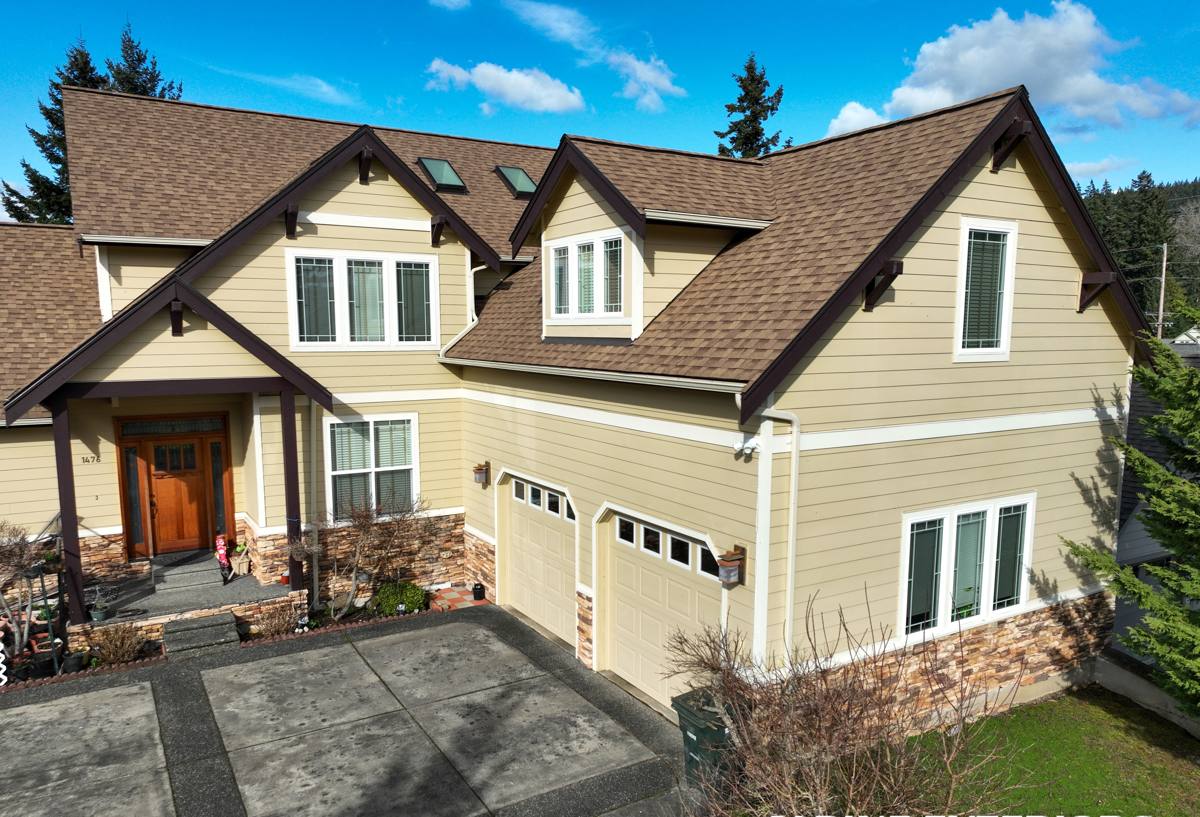
What Coastal Exposure and Constant Moisture Do to a Window Opening
Salt Air
Salt-laden air corrodes exposed metal fasteners, hardware, and some window frame components faster than inland air does. It also tends to find any gap in a finish or seal and start working on it. This isn't a reason to avoid certain window types outright, but it is a reason to be picky about hardware finishes, fastener choice, and how exposed metal is protected during and after installation.
Driving Rain
Wind-driven rain doesn't just fall on a window, it gets pushed sideways and upward into gaps that would stay dry in a calmer climate. A window opening that relies only on caulk at the exterior trim, with no proper flashing behind it, will eventually let water in — often slowly enough that nobody notices until there's rot or mold behind the wall.
Moss and Sustained Dampness
Whatcom County's moss season is really just an extended period where wood, trim, and sills stay damp for weeks at a time. Moss itself isn't the enemy — it's a sign that a surface is staying wet longer than it should. Around a window, that usually means water is pooling on a sill or getting trapped somewhere it can't drain, which is exactly the kind of slow damage that ruins a window installation from the inside out.
Signs a Fairhaven Home's Windows Need Attention
- Soft, discolored, or spongy wood on the interior or exterior sill
- Fogging or a permanent haze between the panes of a double-pane window (a sign the seal has failed)
- Visible gaps, peeling caulk, or cracked glazing putty around the frame
- Windows that are noticeably harder to open, close, or lock than they used to be
- Drafts you can feel near the frame even when the window is fully closed
- Persistent moss or dark staining on the exterior trim just below or beside the window
- Noticeably higher heating bills without any other obvious cause
Any one of these can be minor. Several at once, especially combined with visible rot, usually means water has been getting behind the window for a while and it's worth having someone look before it spreads into the surrounding wall framing.
What a Correct Window Installation Actually Involves
A window installation is judged almost entirely on things you can't see once the trim goes back on. The window itself matters, but the installation is what determines whether that window stays watertight for the next twenty or thirty years.
Removal Done Carefully
Pulling the old window out is the point where hidden damage gets found. A rushed removal skips past soft framing or rot instead of dealing with it. A proper removal exposes the opening fully so we can see exactly what condition the framing, sheathing, and sill are actually in before anything new goes in.
Flashing and Water Management
This is the single most important part of the job in a climate like ours. Flashing tape and pan flashing at the sill are what actually stop wind-driven rain from working its way behind the window over time. Skipping this step, or doing it with the wrong materials, is the most common reason window installations fail early in coastal Washington.
Air Sealing and Insulation
The gap between the window frame and the rough opening needs to be sealed and insulated correctly — not overpacked with rigid foam that can bow the frame, and not left with open gaps that let air and moisture through. This is also where a lot of drafts and comfort complaints actually come from, even when the window itself is a good one.
Exterior Sealant and Trim
Caulk and sealant are the last line of defense, not the first. They matter, but they're meant to back up good flashing, not replace it. We use sealants rated for the exposure the window will actually see, and we make sure trim is reinstalled so water sheds away from the opening rather than collecting against it.
Choosing Windows for a Coastal Whatcom County Climate
There's no single "best" window material for every home — it depends on the house, the budget, and how exposed a particular wall is to weather. Here's an honest comparison of the common options as they hold up in this climate specifically.
| Material | How It Handles Salt Air & Rain | Maintenance | Typical Lifespan |
|---|---|---|---|
| Vinyl | Good — won't corrode or rot, handles moisture well | Low | 20–30 years |
| Fiberglass | Very good — dimensionally stable, resists warping in temperature swings | Low | 30–40 years |
| Wood | Requires diligent finish maintenance to prevent rot in this climate | High | Varies widely with upkeep |
| Wood-Clad (exterior clad, wood interior) | Good if cladding and flashing details are done correctly | Moderate | 25–35 years |
| Aluminum | Prone to condensation and corrosion issues near salt air unless thermally broken | Moderate | 20–30 years |
For homes close to the bay, we generally steer people toward vinyl or fiberglass for the bulk of their windows, simply because they shrug off moisture and salt exposure with the least ongoing upkeep. That's not a knock on wood or clad-wood windows — they can look great and perform well — but they ask more of the homeowner in terms of maintenance, and we want people to know that going in rather than finding out five years later.
New Installation vs. Replacing Existing Windows
New Construction Windows
Used for additions or when framing is fully open. This is the easier scenario from a water-management standpoint because flashing can be integrated with the house wrap and siding from scratch, in the correct order.
Replacement (Retrofit) Windows
Used when the existing frame and trim stay in place and a new window is fit into the old opening. This works well when the existing framing is sound, but it depends entirely on that framing being dry and solid — which is why we check for rot and water damage before recommending this route over a full-frame replacement.
Full-Frame Replacement
Necessary when there's rot, water damage, or the existing frame is failing. This removes the window down to the rough opening, which costs more but gives us the chance to fix water intrusion problems properly instead of building a new window around an old one.
We'll tell you honestly which category your project falls into after we've actually looked at the opening — not before.
Our Process for a Fairhaven Window Installation
- On-site assessment. We look at each window opening individually — sun exposure, wall orientation relative to prevailing wind and rain, and any existing signs of water damage.
- Honest scope and estimate. You get a clear breakdown of what's being replaced, what materials we're recommending and why, and what it will cost — no surprise add-ons once the wall is open.
- Careful removal. Old windows and trim come out cleanly, and we inspect the framing before moving forward.
- Repair if needed. Any rot or soft framing gets addressed before a new window goes in — installing a good window into bad framing just guarantees another failure down the line.
- Proper flashing and installation. Sill pan flashing, correctly lapped water-resistive barrier integration, and manufacturer-spec fastening.
- Insulation, sealing, and trim. The gap is sealed and insulated correctly, and exterior trim is finished to shed water away from the opening.
- Final walkthrough. We test operation, check the seal, and walk through care and warranty coverage with you before we call it done.
What Affects the Cost of a Window Installation Here
| Factor | Why It Matters |
|---|---|
| Window material and glass package | Vinyl and fiberglass vs. wood or clad-wood carry different upfront costs |
| Retrofit vs. full-frame replacement | Full-frame costs more but is often necessary where there's existing rot |
| Number and size of openings | Larger windows and more openings increase material and labor time |
| Existing damage found on removal | Rotted framing or sheathing needs repair before a new window goes in |
| Trim and siding tie-in | Matching existing trim profiles or siding can add time, especially on older homes |
| Access and height | Second-story or hard-to-reach windows take longer to install safely |
We won't quote a whole-house number sight unseen, because the honest range depends heavily on what we find once an opening is exposed. What we will do is walk you through each cost driver on your specific home before any work starts.
Why Hiring a Crew That Already Works in Fairhaven Matters
Window installation isn't a generic skill you can apply identically everywhere. A crew that regularly works in coastal Whatcom County has already seen how salt air, driving rain, and prolonged dampness show up in local homes — where rot tends to start, which details get skipped by installers used to drier climates, and what actually holds up here over time. That experience shows up in the small decisions: which flashing tape adheres reliably in cool, damp conditions, how much drying time framing repairs need before a window goes back in, and where extra sealant attention pays off versus where it's unnecessary.
It also means someone local when you need warranty service, a recheck after a hard storm, or a straight answer about whether something you're seeing is normal wear or an actual problem.
Simple Maintenance That Extends the Life of Your New Windows
- Rinse salt residue off exterior frames and hardware a few times a year, especially after storms
- Check exterior caulking annually and touch up any cracked or peeling sections before winter rains
- Keep gutters and downspouts clear so water isn't sheeting down over window openings
- Wipe condensation from interior sills during cold snaps rather than letting it sit
- Operate every window a few times a season so hardware and weatherstripping don't seize or compress permanently
- Address any soft spots in exterior trim right away rather than waiting for the next dry stretch
If your Fairhaven home has windows that are drafty, fogged, hard to operate, or showing signs of water damage, we're happy to take a look and give you a straightforward, no-pressure estimate — just fill out the form below and we'll go from there.