 Chuckanut
 Roofing Around Lake Samish Isn't the Same Job as Roofing in Town
Lake Samish sits in a pocket of Whatcom County where the weather does a few things that flatter, in-town roofs rarely deal with in combination. You've got moist air coming off the lake itself, salt-tinged marine air pushing in from the Chuckanut corridor and the Sound beyond it, and a tree canopy that keeps large sections of most roofs in shade for a good part of the day. Add the long Pacific Northwest wet season on top of that, and you get a set of conditions that ages an asphalt shingle roof faster than a lot of homeowners expect when they first move out here.
None of that means asphalt shingles are the wrong choice for this area — they're still the most practical, cost-effective roofing material for the vast majority of Lake Samish homes. It means the product selection, the installation details, and the maintenance schedule all need to be dialed in for this specific microclimate rather than treated like a generic roofing job.
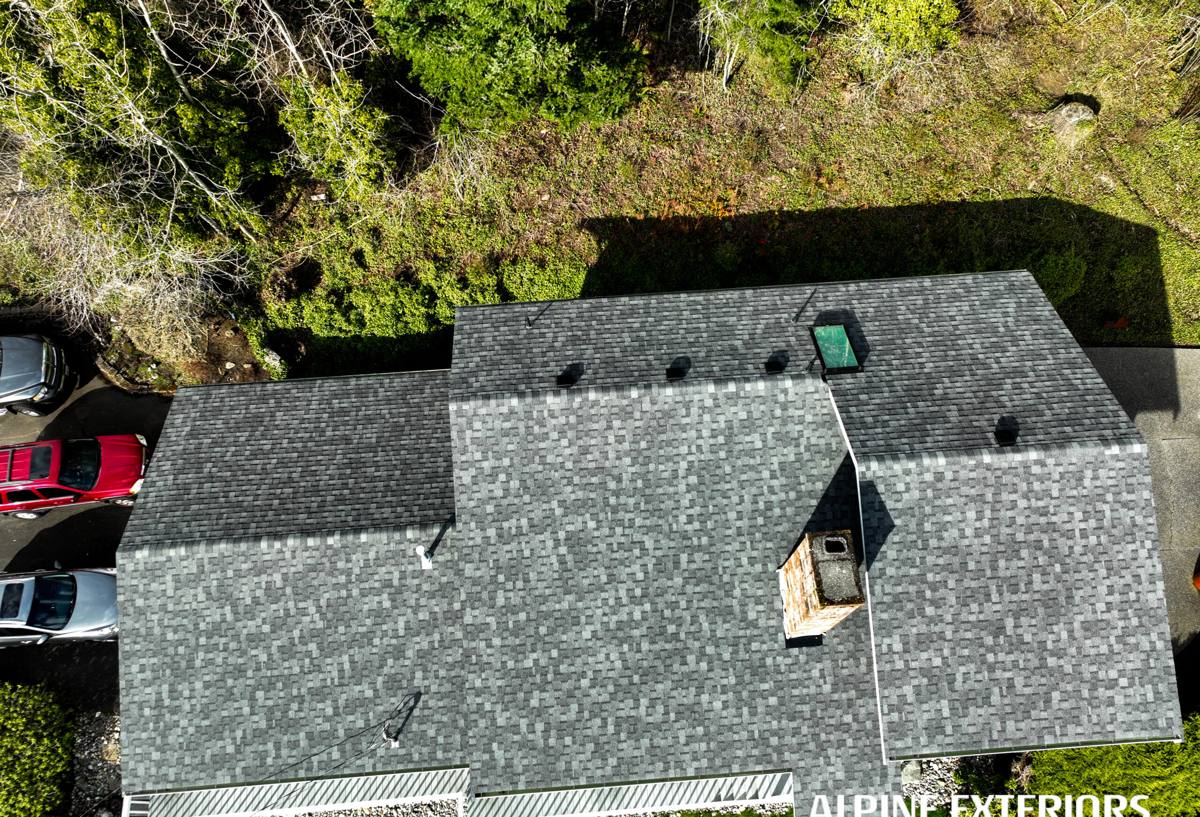
What This Climate Actually Does to a Shingle Roof
Three things drive most of the roofing problems we see around the lake:
Driving Rain and Wind-Driven Water
Storms coming off the water don't always fall straight down. Wind-driven rain gets pushed sideways under shingle tabs, into exposed nail heads, and along ridge and valley lines where the installation wasn't sealed properly. A roof that would shrug off a calm rainstorm can still leak in a sideways one if flashing and underlayment weren't done right the first time.
Salt-Influenced Air
Salt air accelerates the breakdown of exposed metal — nails, flashing, vents, gutter hardware — well before the shingles themselves give out. On a lot of older roofs in this area, the shingles are still structurally fine but the metal components around them have started to corrode, rust-stain, or work loose, which is what eventually causes the leak.
Shade, Moisture, and a Long Moss Season
Tree cover around Lake Samish keeps roof surfaces damp longer after rain than an open, sun-exposed roof would stay. That extended dampness is exactly what moss and algae need to get established. Once moss roots into a shingle's surface, it doesn't just look bad — it lifts tabs, holds water against the roof deck, and shortens the life of the shingle underneath it.
Picking the Right Asphalt Shingle for a Lake Samish Roof
Not every asphalt shingle product handles this combination of salt air, moisture, and shade equally well. We steer most Lake Samish homeowners toward algae-resistant, higher wind-rated architectural shingles rather than basic three-tab product, for reasons that come down to how each holds up under sustained damp conditions rather than brand preference.
| Shingle Type | Typical Lifespan Here | How It Handles Moss/Algae | Wind Performance |
|---|---|---|---|
| 3-Tab Asphalt | Shorter end of the range in shaded, damp settings | No algae-resistant granules on older/budget lines; more prone to staining and moss uptake | Lower wind rating; tabs more likely to lift in gusty lake-effect wind |
| Architectural (Laminate) Shingle | Longer service life, especially with algae-resistant granules | Copper- or zinc-infused granule options resist algae growth significantly better | Higher wind ratings, better suited to open lakefront exposure |
| Impact-Rated Architectural | Comparable to standard architectural, with added durability | Same algae-resistant options generally available | Best wind and impact performance; worth it on exposed or storm-prone lots |
The upfront cost difference between a basic three-tab shingle and a quality algae-resistant architectural shingle is real, but on a shaded, lake-adjacent roof it's usually made back over time in fewer moss treatments, less staining, and a longer stretch before replacement.
Color and Granule Considerations
Darker shingles tend to show algae streaking less than very light colors, but no color is immune. The granule treatment matters more than the color itself — that's the actual defense against organic growth, not the shade you pick for curb appeal.
What a Correct Installation Involves
A shingle roof is only as good as what's underneath it and around its edges. For Lake Samish homes specifically, we pay close attention to a few things that generic roofing jobs sometimes skip or shortcut:
Ice and Water Shield in the Right Places
Self-adhering waterproof membrane goes along eaves, valleys, and around penetrations — the exact spots where wind-driven rain and standing snowmelt cause the most trouble. This is cheap insurance against the specific way this area's storms attack a roof.
Ventilation That Actually Balances
Proper intake and exhaust ventilation keeps the underside of the roof deck dry and reduces the moisture buildup that feeds moss and rot. A roof can have great shingles and still fail early if the attic underneath is trapping humidity.
Corrosion-Resistant Flashing and Fasteners
Given the salt air off the Sound, we favor flashing and fastener materials chosen for corrosion resistance rather than whatever is cheapest. Metal that rusts or degrades early is one of the most common root causes of "mystery leaks" on roofs that otherwise look fine.
Proper Nailing and Sealing
Under-driven, over-driven, or misplaced nails are a leading cause of shingle blow-off in wind. It's a basic step, but it's also one of the easiest to rush, and it's exactly the kind of detail that separates a roof that survives a windstorm off the lake from one that doesn't.
Moss and Algae: Managing the Long Wet Season
You're not going to eliminate moss risk entirely on a shaded Lake Samish lot, but you can control it:
- Keep overhanging branches trimmed back to let more light and air reach the roof surface
- Clear gutters and valleys of needles and debris before they hold moisture against the shingles
- Have moss physically removed rather than left to spread — scraping and low-pressure rinsing, not power-washing, which can strip granules
- Consider zinc or copper control strips at the ridge on shaded sections, which release trace metals that discourage regrowth as rain washes over them
- Schedule a roof check after the first heavy storms of fall, before moss has a full wet season to establish
Signs Your Lake Samish Roof Needs Attention
Because moisture damage on shaded, lake-adjacent roofs can progress quietly, it's worth knowing what to watch for:
- Granules collecting in gutters or at downspout outlets
- Shingle edges curling, cupping, or lifting at the tabs
- Dark streaking or visible moss patches, especially on north-facing or shaded slopes
- Rusty streaks below flashing, vents, or nail lines
- Soft spots, sagging, or discoloration on interior ceilings below the roof
- Daylight visible through the roof deck from inside the attic
Catching these early is usually the difference between a repair and a full replacement.
Our Process for a Lake Samish Roof
- On-site inspection. We walk the roof and attic, checking shingle condition, flashing, ventilation, and any moss or moisture issues specific to your lot's shade and exposure.
- Honest scope and options. We tell you plainly whether you're looking at a repair, a partial re-roof, or a full replacement — and why — along with shingle options suited to your roof's sun and shade pattern.
- Tear-off and deck check. Old material comes off down to the deck so we can confirm the sheathing underneath is sound before anything new goes on.
- Underlayment, flashing, and shingles installed to spec. Ice and water shield, corrosion-resistant flashing, balanced ventilation, and correctly fastened shingles — the details covered above, done as a matter of course rather than an upsell.
- Cleanup and walkthrough. Site cleared of debris and nails, roof reviewed with you before we consider the job finished.
Why Hiring Local Experience Matters Here
A roofing crew that's worked other properties around Lake Samish already knows which slopes on a given lot tend to hold moss, how the lake's wind patterns tend to drive rain, and which flashing and fastener choices actually hold up against the salt air rather than just meeting a generic building-code minimum. That local pattern recognition shows up in fewer callbacks and a roof that's built for the conditions it will actually face, not just the conditions on a spec sheet.
We also know the practical side of working lakefront and wooded lots in this part of Whatcom County — tree clearance for equipment, staging materials on tighter driveways, and coordinating around the tree canopy that shapes so much of the moss and moisture picture here.
Cost Factors Worth Understanding
| Factor | Why It Affects Cost Here |
|---|---|
| Roof pitch and access | Steeper slopes and tree-obstructed access around the lake take longer to work safely |
| Tear-off layers | Roofs with multiple old layers require more labor and disposal |
| Shingle grade selected | Algae-resistant, higher wind-rated architectural shingles cost more upfront than basic three-tab |
| Deck repair needs | Moisture damage discovered during tear-off (common on shaded, damp roofs) adds material and labor |
| Flashing and ventilation upgrades | Corrosion-resistant components and proper venting add cost but reduce future problems substantially |
We'll never invent a number before we've actually looked at your roof, but these are the factors that move an estimate up or down, and we'll walk through each one with you directly.
If your Lake Samish roof is showing moss, granule loss, staining, or you just want an honest read on where it stands, we're happy to come take a look. The estimate is free, there's no pressure attached to it, and you can use the form below to get started.