 Chuckanut
 Metal Roofing Built for the Larrabee Climate
Homes along the forested slopes between Chuckanut Mountain and Samish Bay live under conditions that are hard on any roof. Salt-laden air moves in off the water, wind-driven rain gets pushed sideways into eaves and valleys during winter storms, and heavy tree canopy keeps large sections of every roof shaded and damp for most of the year. Metal roofing handles this combination better than almost any other material available, but only when it's specified and installed with those specific conditions in mind. A metal roof installed the same way you'd install one in a dry inland neighborhood will not perform the same way here, and the difference shows up within a few winters.
This page covers what Larrabee homes actually need from a metal roofing system, what a correct installation looks like in this environment, and how our process addresses the salt air, rain, and moss pressure specific to this stretch of Whatcom County.
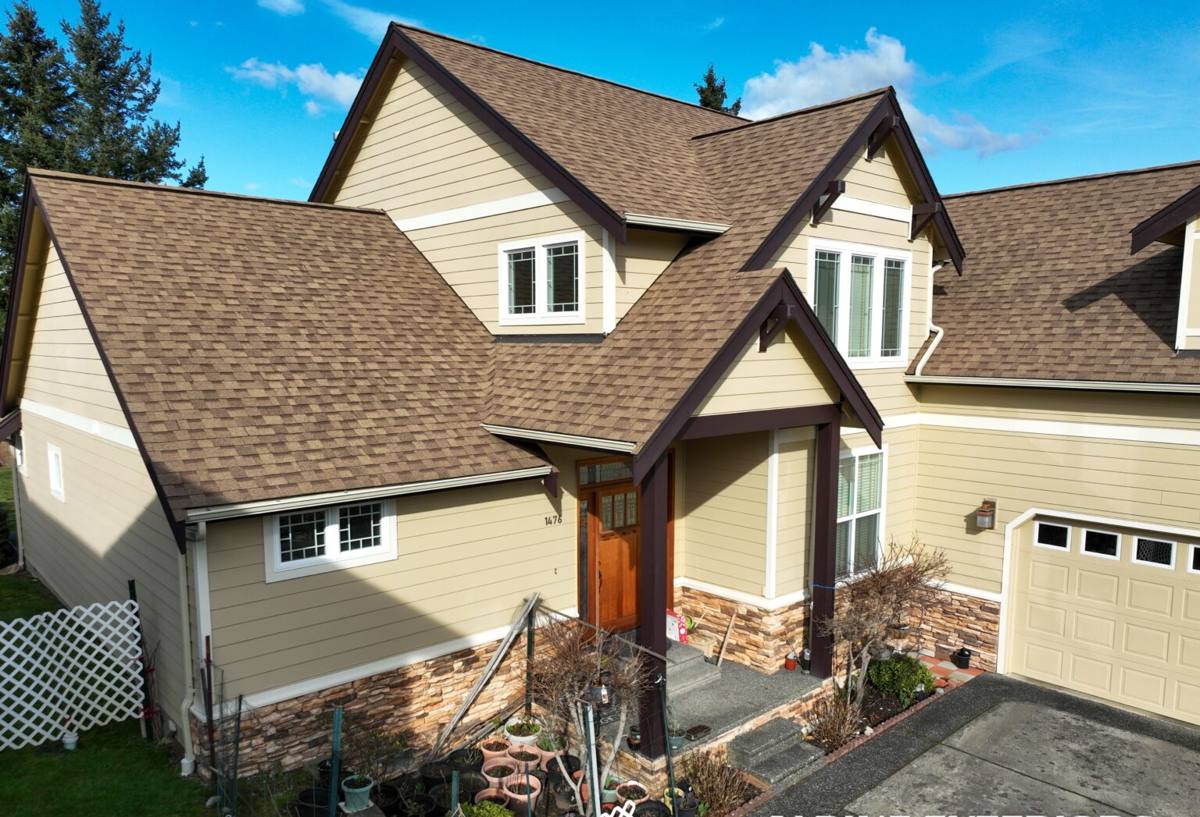
What This Climate Actually Does to a Roof
Salt Air and Corrosion
Proximity to Samish Bay means airborne salt is a constant, low-level presence, even on days that feel dry. Salt accelerates corrosion at cut edges, fastener heads, and any point where a coating has been scratched or worn thin during installation. Roofing hardware that would hold up fine twenty miles inland can start showing rust streaks within a few years out here if the wrong fasteners or flashing metals were used.
Wind-Driven, Sideways Rain
Rain in this part of Whatcom County rarely just falls straight down. Storms coming off the water push rain sideways and uphill into roof valleys, wall-to-roof transitions, and any low-slope section. That means the underlayment, flashing, and fastening details matter more here than the panel material itself — a premium metal panel installed over inadequate flashing will still leak.
Moss, Shade, and Needle Buildup
Heavy tree cover keeps roof surfaces shaded and slow to dry, which is exactly what moss and moisture-loving growth need to establish. Needles and organic debris collect in valleys and along low-slope transitions, holding moisture against the roof surface long after a storm has passed. Left alone, that buildup traps water against seams and fasteners — the opposite of what you want from a metal roof, which is supposed to shed water fast and dry out completely.
Choosing the Right Metal Roofing System
Not all metal roofing is built the same way, and the differences matter more in a coastal, tree-covered environment than in a dry, open one. The two main categories homeowners choose between are standing seam and exposed-fastener panels.
| System | How It's Fastened | Best Fit for Larrabee Conditions |
|---|---|---|
| Standing Seam | Concealed clips, no exposed fasteners through the panel face | Best moisture and corrosion resistance; no fastener heads exposed to salt air or rain |
| Exposed Fastener | Screws driven through the panel face with rubber washers | Lower upfront cost, but washers age faster under UV and salt exposure and need periodic checking |
We install both, but for homes with direct salt exposure or heavy shade, we generally recommend standing seam. It's our professional standard for this specific environment — not because exposed-fastener systems are poorly made, but because concealed-fastener panels remove the one component (exposed washers) that ages fastest under these exact conditions and is the hardest to inspect once installed.
Material and Coating
Steel and aluminum are both viable here. Aluminum doesn't rust, which makes it a strong choice for homes closest to the bay. Steel, properly coated (Galvalume or a comparable coating system) and finished with a quality paint system, holds up well too and is often more cost-effective. The coating and finish quality matter more than the base metal in most cases — a well-coated steel panel will outperform a poorly finished aluminum one.
What a Correct Installation Involves
Underlayment and Ice/Water Protection
In valleys, along eaves, and around any roof-to-wall transition, we use self-adhered ice-and-water membrane rather than standard felt. These are the exact spots where wind-driven rain gets forced uphill under panels, and a synthetic or self-adhered underlayment gives the roof a real second line of defense instead of just a formality under the metal.
Flashing Details
Flashing is where most metal roof failures actually start, not the panels themselves. Valleys, chimneys, skylights, and sidewall transitions all need custom-fabricated flashing sized and formed for that specific roof, not a generic stock piece bent to fit. Given how much sideways rain this area sees, we treat flashing as the part of the job that determines whether the roof stays dry, not an afterthought after the panels go up.
Fastener and Metal Compatibility
We match fasteners and flashing metals to the panel material to avoid galvanic corrosion — mixing incompatible metals (like plain steel fasteners on an aluminum panel) creates a reaction that eats away at the metal from the point of contact outward. In a salt-air environment, using the wrong fastener can undo the corrosion resistance you paid for in the panel.
Ventilation
Metal roofs need to breathe just as much as any other roof type, and shaded, damp roofs need it more, not less. Proper intake and exhaust ventilation keeps moisture from condensing on the underside of the deck, which is a slower but just as damaging problem as surface leaks.
Our Installation Process
- On-site assessment — we walk the roof, check the deck condition, note shade patterns, valley locations, and existing moisture or moss problems specific to your property.
- System recommendation — based on sun exposure, tree cover, and proximity to the water, we recommend a panel type, gauge, and finish suited to your specific site, not a one-size answer.
- Tear-off and deck prep — old roofing is removed and the deck is inspected and repaired as needed before anything new goes down.
- Underlayment and flashing — ice-and-water membrane in vulnerable areas, synthetic underlayment elsewhere, and custom-formed flashing at every transition.
- Panel installation — panels are installed with fasteners and clips matched to the material, following manufacturer spacing and fastening specs.
- Final walkthrough — we review the completed roof with you, point out maintenance items specific to your property, and go over warranty coverage.
Maintenance for a Long Life in This Environment
A correctly installed metal roof in Larrabee needs relatively little upkeep, but "little" isn't "none" given the moss and debris pressure from the surrounding tree cover. A short annual routine prevents most of the problems that shorten a metal roof's life out here.
- Clear needles, leaves, and debris from valleys and low-slope sections at least once a year, more often under heavy tree cover
- Keep gutters and downspouts flowing freely so water isn't backing up against roof edges
- Check for moss or algae buildup on shaded sections and remove it gently — never with high-pressure washing, which can damage coatings and force water under seams
- Trim back overhanging branches where practical to reduce shade and debris load on the roof
- Look for streaking or discoloration at fastener heads or flashing joints, which can be an early sign of a coating issue worth addressing before it spreads
Cost Factors to Expect
Every roof is different, so exact pricing depends on a site visit, but the factors below are what typically move the number up or down on a metal roofing project in this area.
| Factor | Why It Affects Cost |
|---|---|
| Panel system (exposed fastener vs. standing seam) | Standing seam involves more labor and material per square foot |
| Roof pitch and complexity | Steep pitches, multiple valleys, and dormers add labor time and material waste |
| Tear-off vs. re-roof | Removing and disposing of existing roofing adds cost but is often necessary for a proper deck inspection |
| Metal type and gauge | Heavier gauge steel or aluminum costs more but resists denting and holds coatings longer |
| Flashing and accessory work | Homes with more valleys, chimneys, or skylights require more custom flashing fabrication |
In general, metal roofing costs more upfront than asphalt shingles but typically lasts two to three times as long with less recurring maintenance, which changes the comparison when you look at cost over the life of the roof rather than just at installation.
Why It Matters That We Already Work in Larrabee
A roofing crew that mostly works dry, inland neighborhoods doesn't naturally think about wind-driven rain angles, salt exposure, or moss pressure from tree cover — because they don't deal with it every day. Working regularly along Chuckanut Drive and the surrounding areas of Whatcom County means we already know which details get skipped by out-of-area crews and which ones actually matter for a roof that has to survive this specific combination of salt air, rain, and shade year after year. That's not a marketing point — it's the difference between a roof that needs attention every couple of years and one that quietly does its job for decades.
If you're weighing a metal roof for your Larrabee home, we're happy to walk the property, look at your specific exposure and tree cover, and put together a straightforward, no-pressure estimate using the form below.