 Chuckanut
 Why Board & Batten Looks Different After a Few Years in Mount Vernon
Board and batten has become one of the most requested siding profiles for homes in and around Mount Vernon, and it's easy to see why. The vertical lines read as clean and modern on a new build, and they read as timeless on a farmhouse-style remodel. What's harder to see from the street is how that profile performs once it's spent a few winters absorbing salt air, driving rain, and the long, damp moss season that this part of Washington is known for. A board and batten job that looks identical to a well-built one on install day can behave very differently five years later, depending on what's underneath the boards and how the seams were handled.
Chuckanut Siding installs board and batten siding for homeowners throughout Whatcom County and nearby communities like Mount Vernon, and this page is about that one job in that one area — not siding in general. If you're comparing bids or just trying to understand what you're paying for, the details below are the ones that actually matter here.
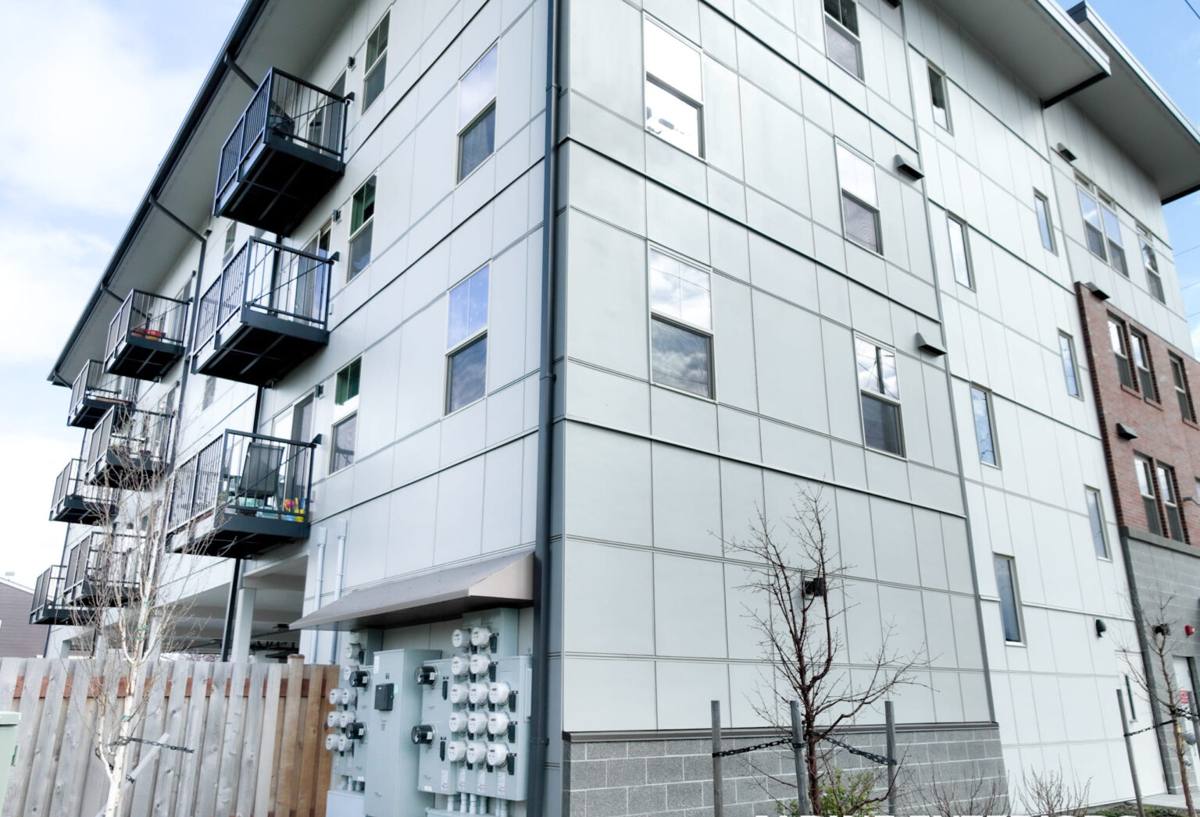
What Board & Batten Siding Actually Is
The Vertical Panel System
Modern board and batten isn't individual boards nailed up one at a time the way it might have been done a century ago. It's typically a system of wide vertical panels with narrower trim strips — the "battens" — installed over the seams between panels. The panels do the job of shedding water off the wall; the battens cover the joints and give the siding its signature rhythm of lines.
Battens Aren't Decoration
It's tempting to think of the battens as purely cosmetic, but they're a functional part of the water management system. A batten that's fastened wrong, spaced wrong, or caulked instead of properly detailed can turn a decorative element into the exact spot where water gets behind the siding. Getting the batten layout right — consistent spacing, correct fastening pattern, proper standoff from the panel below — is one of the clearest signs of whether a crew actually knows this profile or is just copying the look.
The Three Things This Climate Does to Siding
Salt Air and Fastener Corrosion
Proximity to Puget Sound and the Salish Sea means homes in this area deal with salt-laden air more than most inland Washington communities realize. Salt air accelerates corrosion in fasteners, flashing, and any exposed metal trim. Standard fasteners that would last decades further inland can start failing years early here, and a corroding fastener head is a small leak waiting to happen. This is one of the first things we check when we quote a board and batten job — what fastener spec is actually being used, not just what's shown in a brochure.
Driving Rain and Wind-Driven Moisture
Mount Vernon doesn't just get rain — it gets driving rain that comes in sideways during winter storms. That matters enormously for a vertical siding profile, because driving rain pushes water sideways into every horizontal seam and batten joint on the wall. A house sided for a climate with mostly straight-down rainfall will show its weak points here first, usually at panel butt joints, window returns, and the bottom termination of the siding near grade.
Moss Season and Shaded Moisture
Between the tree cover common in this area and the long stretch of overcast, damp months each year, moss and algae growth on north-facing and shaded walls is close to unavoidable without the right prep and finish. Moss holds moisture against the siding surface far longer than open air would, which is exactly the kind of prolonged dampness that punishes any substrate not built to handle it.
What Correct Installation Involves
The difference between a board and batten job that holds up here and one that doesn't usually comes down to a handful of details that aren't visible once the siding is up. Here's a rough comparison of what we consider the baseline versus what we still see on homes we're asked to repair or re-side.
| Detail | Correct for This Climate | Common Shortcut |
|---|---|---|
| Wall drainage | Rainscreen gap behind siding so incidental moisture can drain and dry | Siding fastened tight to the weather barrier with no drainage plane |
| Fasteners | Corrosion-resistant fasteners rated for coastal/salt exposure | Standard fasteners not spec'd for the local environment |
| Panel seams | Flashed and lapped per manufacturer detail, not just caulked | Caulk used as the primary seal instead of proper flashing |
| Bottom termination | Proper clearance from grade, hardscape, and roof lines | Siding installed too close to grade or decking, wicking moisture |
| Batten fastening | Fastened into structural framing at correct spacing | Fastened only into the panel face or spaced too widely |
Why We Only Install James Hardie Fiber Cement
We get asked fairly often about board and batten in LP SmartSide, vinyl, or cedar, and we're upfront about why we've standardized on James Hardie fiber cement instead. Engineered wood products like LP SmartSide have improved a lot over the years, but they're still wood-based, which means they're more sensitive to sustained moisture exposure than fiber cement — a real consideration in a climate with a genuine moss season. Vinyl board and batten is affordable and low-maintenance in one sense, but it's a thinner, more flexible material that shows its limits in high wind and doesn't hold up the way a rigid fiber cement panel does over decades. Cedar looks beautiful when it's new and finished right, but it demands ongoing refinishing and is far more vulnerable to the combination of driving rain and shaded, damp conditions that this area produces.
James Hardie's fiber cement board and batten panels are non-combustible, dimensionally stable, and finished at the factory with their ColorPlus coating, which holds color and resists the kind of fading and moisture streaking bare-primed products are prone to. Hardie also engineers its HZ product lines for specific climate zones, which matters in a region that swings between coastal wet winters and dry summer heat. It's backed by a strong transferable warranty, but that warranty is only as good as the installation underneath it — which is why we treat the install detail as seriously as the product choice.
Our Process for Mount Vernon Board & Batten Projects
- On-site assessment. We walk the exterior, check current siding and substrate condition, and note problem areas like shaded walls, drainage issues, or grade clearance.
- Tear-off and substrate inspection. Old siding comes off and we inspect the sheathing underneath for rot or hidden moisture damage before anything new goes up.
- Weather barrier and drainage plane. A proper water-resistive barrier and rainscreen gap go in first, since this is the layer that actually protects the wall long-term.
- Panel and batten installation. Hardie panels are installed to manufacturer spec with correct fastener type and spacing, followed by battens fastened into framing.
- Flashing and detail work. Window and door returns, corners, and the bottom termination get flashed and detailed rather than just caulked over.
- Final finish and walkthrough. We confirm caulking, paint or factory finish integrity, and clean up the site before final walkthrough with the homeowner.
Maintenance Through the Moss Season
Even a correctly installed board and batten system benefits from a bit of seasonal attention, especially on shaded or north-facing walls. A short annual routine goes a long way:
- Rinse siding gently once or twice a year, focusing on shaded areas prone to moss and algae
- Check caulking at trim, window returns, and batten joints for cracking or separation
- Look for staining or discoloration near the bottom of the siding, which can indicate splash-back or grade contact
- Trim back vegetation and tree cover that keeps a wall section shaded and damp longer than the rest of the house
- Have any fastener corrosion or popped nail heads addressed early, before they become a moisture entry point
Why a Crew That Already Works Mount Vernon Matters
Board and batten siding isn't a one-size-fits-all install, and the right details for a home on this side of Washington aren't the same as the right details for a drier inland region. A crew that regularly works in and around Mount Vernon already understands which wall orientations tend to hold moss, where driving rain hits hardest during winter storms, and what fastener and flashing choices actually last against salt air over time. That local familiarity shows up in fewer callbacks and a siding job that's still performing the way it should well after the first few wet winters.
If you're weighing board and batten for a home in the Mount Vernon area, we're glad to take a look and talk through what your specific house needs — no pressure, no obligation. Fill out the form below for a free estimate.