 Chuckanut
 Roof Repair in Sedro-Woolley: What the Climate Actually Demands
Sedro-Woolley sits where the flat valley floor gives way to the foothills, and that location comes with a specific set of roofing problems. Homes here get a long, wet fall-through-spring stretch of driving rain, cooler valley-floor temperatures that hold moisture longer than the coast, and enough tree cover on older lots that moss and organic debris build up fast on north-facing slopes. None of that is dramatic on its own, but stacked together over years it wears roofs down from the inside out — not from one big storm, but from small entry points that never get sealed.
A roof repair here isn't just patching a leak. It's addressing why that leak started in the first place, because in this climate the same conditions that caused it will keep working on the roof unless the repair accounts for them.
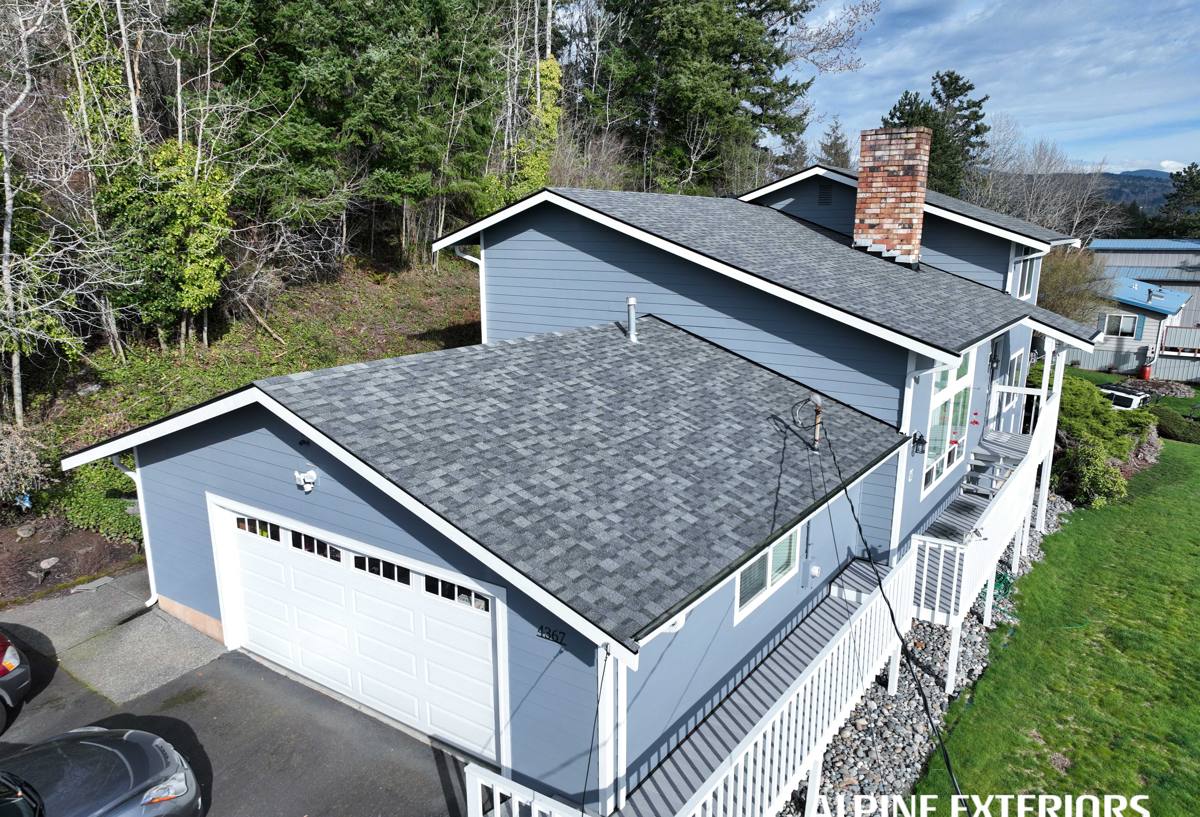
Signs Your Roof Needs Repair — Not a Full Replacement
Most roofs don't fail all at once. They show localized problems for years before a full replacement is the honest answer. Repair is usually the right call when the damage is contained to specific areas and the rest of the roof deck and underlayment are still sound.
- Water stains on interior ceilings or walls that appear during or right after heavy rain
- Missing, cracked, or curling shingles in one section rather than across the whole roof
- Moss buildup thick enough that you can see it lifting shingle edges
- Rusted, bent, or separated flashing around chimneys, vents, or skylights
- Sagging or soft spots near valleys, gutters, or roof-to-wall transitions
- Granule buildup in gutters far heavier than normal, signaling accelerated shingle wear
If several of these show up at once, or the roof is past two-thirds of its expected lifespan, that's the point to get an honest opinion on repair versus replacement rather than guessing.
The Repair Issues We See Most on Whatcom and Skagit County Homes
Moss and Organic Growth
Moss doesn't just sit on top of a roof — it works underneath shingle tabs, holds moisture against the roof deck, and slowly lifts the shingle edge until wind and rain can get behind it. On heavily shaded lots and north-facing slopes, moss can return within a year or two if it isn't cleared correctly and the roof isn't treated to slow regrowth. Pressure washing is the wrong tool here; it strips granules and shortens the roof's remaining life faster than the moss would on its own.
Flashing Failure
Flashing around chimneys, skylights, plumbing vents, and roof valleys is the single most common leak source we find on repair calls. It's a small, low-cost part of the roof, but it does most of the work keeping water out of the places where two roof planes or a roof and a wall meet. Sealant alone is a temporary fix — proper flashing repair means correcting the metal work, not just caulking over the gap.
Wind and Storm Lift
Driving rain off the water and through the valley means wind-driven rain gets pushed sideways under shingle edges that a calmer climate wouldn't test. Loose or lifted shingles after a windstorm need to be resecured or replaced quickly — once water gets under one shingle, it starts working on the underlayment and the ones around it.
Gutter and Edge Backup
Clogged gutters combined with moss debris cause water to back up under the roof edge instead of running off. This is a slow, easy-to-miss cause of edge rot that shows up as soft fascia boards or staining at the eaves long before it's visible from the ground.
What a Correct Roof Repair Actually Involves
A repair done right isn't just swapping the damaged shingles you can see. It includes checking the underlayment and decking beneath the damage, because if water has been getting in for a while, the visible shingle damage is rarely the full extent of the problem.
- Inspect the full roof, not just the reported leak area — a leak often shows up inside the house several feet from where water actually enters the roof
- Check the decking under damaged shingles for soft spots, rot, or delamination before replacing anything on top of it
- Repair or replace flashing at any transition point involved, matched to the existing roof material
- Match materials as closely as possible in shingle type, color, and exposure so the repair doesn't stand out or create a mismatched wear pattern
- Re-seal and re-secure all disturbed areas to manufacturer specifications, not just enough to stop the immediate leak
- Clear moss and debris from the surrounding area and treat it if regrowth risk is high
Skipping the decking check is the most common shortcut in cheap repairs — and it's the one that causes the same leak to come back within a year, usually worse than before.
Repair vs. Replacement: How to Think About the Decision
| Factor | Repair usually makes sense | Replacement is the better call |
|---|---|---|
| Roof age | Under 15-20 years, or newer material | Near or past manufacturer's expected lifespan |
| Damage scope | Localized to one section or a few spots | Widespread across multiple slopes |
| Decking condition | Solid, no rot found on inspection | Soft, delaminated, or rotted in multiple areas |
| Leak history | First occurrence, clear single cause | Recurring leaks in different spots over time |
| Granule loss | Minimal, isolated to the damaged area | Heavy and roof-wide, shingles visibly balding |
We'll give you a straight answer on which side of this table your roof falls on. There's no benefit to us talking a homeowner into a full replacement when a proper repair will genuinely hold — and no benefit to patching something that's going to need redoing in a year.
Our Repair Process
1. On-Site Inspection
We look at the roof itself, not just photos or a description over the phone. That includes checking attic access where possible, since interior signs of moisture often tell us more than what's visible from the roof surface.
2. Clear, Written Estimate
You get a written scope of work and price before anything starts — what's being repaired, what materials are being used, and why. No vague line items.
3. The Repair Itself
Work is done to match your existing roof system, with proper flashing, underlayment, and shingle work rather than surface patches. We protect landscaping and walkways and clean up debris, including moss and old material removed from the roof.
4. Walkthrough and Follow-Up
Before we consider the job done, we walk the repair with you so you know exactly what was fixed and what to watch for going forward — including moss maintenance timing if that's a factor for your property.
What to Ask Before Hiring a Roof Repair Contractor
Roof repair is one of those jobs where a bad shortcut isn't visible until the next hard rain, sometimes not until the following winter. A few questions up front save a lot of trouble later.
- Will you check the decking under the damage, or just replace the visible shingles?
- Is the flashing being repaired or just resealed with caulk?
- What's your license and insurance status in Washington, and can I see current proof?
- Will the repair materials match my existing roof, or is this a visibly different patch?
- Is there a warranty on the repair labor itself, separate from any material warranty?
- Do you have current or recent work in this area you can speak to?
Any contractor doing honest work should have straightforward answers to all of these without hesitation.
Why a Crew That Already Works Sedro-Woolley Matters
Roofing problems in this region follow patterns — which roof orientations hold moss longest, which older neighborhoods have roof valleys prone to backup, how fast wind-driven rain off the water pushes water sideways under shingle edges in an exposed location versus a sheltered one. A crew that's already worked houses in and around Sedro-Woolley isn't guessing at those patterns on your roof; they've already seen the same issue three streets over.
Chuckanut Siding crews work throughout Whatcom and Skagit counties, and that regular presence in the area means we're not learning the local climate's effect on roofs for the first time on your job. It also means if a repair needs a follow-up check after the next storm season, we're not driving in from somewhere unfamiliar with the area to do it.
Get a Straight Answer on Your Roof
If you're seeing a stain on the ceiling, moss creeping up a slope, or shingles that look worse than they did last fall, it's worth getting eyes on it before the next round of rain makes the problem bigger. We'll take a look, tell you honestly whether it's a repair or something more, and give you a clear, no-pressure estimate — use the form below to get started.