 Chuckanut
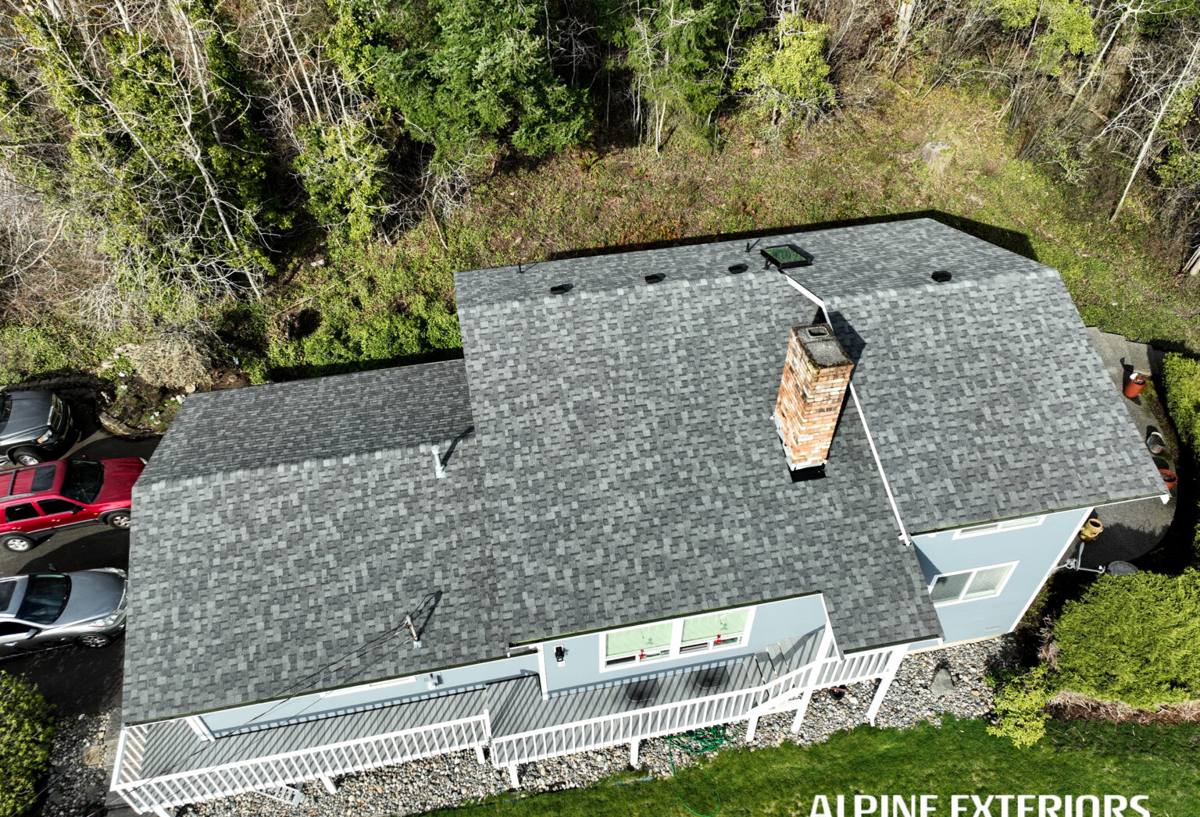
 Asphalt Shingle Roofing Built for Sehome's Weather
Homes in Sehome sit close enough to the water and the tree canopy that roofs here work harder than roofs inland. Salt-laden air corrodes exposed metal fasteners and flashing faster than manufacturers' national warranties assume. Driving rain off Bellingham Bay finds its way into any gap in the underlayment or flashing detail. And the long, wet moss season common to Whatcom County turns a roof that's merely "installed" into one that's slowly failing from the surface down. Asphalt shingle roofing is still the right choice for the vast majority of Sehome homes — it's cost-effective, proven, and easy to repair — but only when it's specified and installed with this specific climate in mind, not a generic install done the same way it would be in a dry inland town.
This page covers what a correct asphalt shingle roof looks like for a Sehome home, what our process involves from first look to final walkthrough, and why working with a crew that already knows this neighborhood's exposure patterns matters more here than it would somewhere drier.
What Sehome's Climate Actually Does to a Roof
Salt Air and Corrosion
Proximity to the bay means airborne salt settles on every exterior surface, including your roof. Over years, salt exposure accelerates corrosion on unprotected steel fasteners, cheap flashing, and lower-grade drip edge. A roof that would hold up for two decades in a dry climate can show rust streaks and fastener failure much sooner near the water if the wrong materials were used the first time.
Driving Rain and Wind-Driven Water
Whatcom County storms don't just drop rain straight down — wind pushes it sideways and up under shingle edges, around chimneys, and into valleys. A shingle roof that looks fine from the ground can still be letting water into the deck at every penetration if the underlayment, ice-and-water barrier, and flashing weren't detailed correctly at install.
Moss, Shade, and Moisture Retention
Sehome's mix of mature trees and marine humidity creates ideal conditions for moss and algae growth. Moss doesn't just look bad — it holds moisture against the shingle surface, works its way under shingle tabs as it grows, and can lift granules and shorten shingle life significantly if left unmanaged. North-facing slopes and roof sections shaded by trees are the areas most at risk and need the most attention during both installation and ongoing maintenance.
What a Correctly Installed Asphalt Shingle Roof Includes
A shingle roof is a system, not a single product. Every layer matters, and skipping or downgrading any one of them is where most premature roof failures in this region start.
- Deck inspection and repair: Any soft, delaminated, or water-stained decking gets replaced before a single shingle goes down — covering a bad deck just hides the problem.
- Ice-and-water shield at vulnerable areas: Eaves, valleys, and roof penetrations get a self-adhering waterproof membrane, not just felt, because these are the spots wind-driven rain exploits first.
- Synthetic underlayment across the field: A quality synthetic underlayment resists tearing and holds up better under wet, humid conditions during the install itself, which matters on a job that might get rained on mid-project here.
- Corrosion-resistant flashing and fasteners: Given the salt air, we don't cut corners on flashing metal or fastener quality — it's one of the cheapest upgrades relative to the protection it buys.
- Proper ventilation: Balanced intake and exhaust ventilation keeps the attic dry and temperature-regulated, which protects the shingles from underneath and helps prevent condensation issues that mimic roof leaks.
- Correct shingle nailing pattern and exposure: Manufacturer nailing specs exist for wind resistance — this is one of the most common places corners get cut on rushed jobs, and it's invisible until a storm hits.
- Algae-resistant shingle granules: Given the moss and algae pressure in this area, we default to shingles with algae-resistant (AR) granule technology rather than standard granules.
Choosing the Right Shingle for a Sehome Roof
Not every asphalt shingle product is a good fit for a marine climate with heavy shade and moss exposure. The table below outlines the general trade-offs we walk homeowners through.
| Shingle Type | Typical Lifespan | Best Fit For | Consideration in Sehome |
|---|---|---|---|
| 3-Tab Asphalt | 15–20 years | Budget-conscious re-roofs | Lower wind rating; less algae resistance unless AR-rated |
| Architectural (Laminate) | 25–30 years | Most Sehome homes | Better wind performance and thicker profile sheds moss buildup more slowly |
| Premium/Designer Shingle | 30+ years | Higher-end aesthetic goals | Longest warranty structure, but cost premium should be weighed against actual home resale plans |
For most homes in this neighborhood, we recommend a mid-to-upper architectural shingle with algae resistance built in. It's the balance point between upfront cost and the added resilience this climate demands — 3-tab shingles aren't wrong, but they need honest expectations set about maintenance and lifespan near the water.
Our Process, Start to Finish
1. On-Site Assessment
We walk the roof (not just look at it from the driveway), check the attic for ventilation and moisture signs, and document flashing, valley, and penetration condition. This is where we catch deck damage or ventilation problems before they become surprises mid-project.
2. Honest Scope and Estimate
You get a clear written estimate that separates what's needed (deck repair, code-required upgrades) from what's optional (shingle upgrade tiers, gutter work). No pressure, no inflated urgency tactics.
3. Material Delivery and Site Protection
We protect landscaping, walkways, and gutters before tear-off begins, and stage materials to minimize the time your roof deck is exposed to weather — important given how often Whatcom County throws an unplanned rain window into a project.
4. Tear-Off and Deck Inspection
Old roofing comes off down to the deck so we can actually see what's underneath, not guess at it. Any repairs get discussed with you before we move forward.
5. Underlayment, Flashing, and Shingle Installation
Installed in the sequence and to the fastening specs outlined above — this is the stage where the difference between a rushed crew and an experienced one shows up most, even though it's invisible once the roof is finished.
6. Final Walkthrough and Cleanup
We walk the finished roof with you, confirm ventilation and flashing details, and do a magnetic sweep of the property for stray fasteners before we consider the job done.
Why a Local Crew Matters for This Job
Roofing crews that work primarily inland or in drier regions often default to standard-spec installs that meet code but don't account for salt exposure, moss pressure, or wind-driven rain patterns specific to areas like Sehome. A crew that regularly works Whatcom County's coastal and near-coastal neighborhoods knows which shingle lines perform better here, which flashing metals hold up against salt air, and which parts of a roof — north-facing slopes, tree-shaded valleys — need extra attention during both installation and future maintenance. That local pattern recognition is hard to substitute with a generic install checklist.
Maintaining Your Roof After Installation
A correctly installed shingle roof still needs periodic attention in this climate, especially where moss and shade are involved. A simple homeowner checklist:
- Have gutters cleared at least twice a year — clogged gutters back water up under the shingle edge, which is a common and preventable cause of edge rot.
- Watch for moss buildup on shaded or north-facing slopes and address it before it spreads across the field of the roof.
- After major windstorms, do a visual check (from the ground, not the roof) for lifted or missing shingles.
- Keep overhanging branches trimmed back — less shade means less moisture retention and slower moss regrowth.
- Schedule a professional inspection every few years, or sooner after any storm event with reported wind damage in the area.
Repair, Replacement, or Just Maintenance?
Not every roofing concern in Sehome means a full replacement. Isolated flashing leaks, a handful of wind-lifted shingles, or moss buildup on an otherwise sound roof are often repair-and-maintenance situations. Full replacement makes sense when the shingles are past their expected service life, when granule loss is widespread, when the deck itself has moisture damage, or when repeated leaks point to a systemic underlayment or flashing failure rather than a single isolated spot. Part of an honest assessment is telling you which category your roof actually falls into, rather than defaulting to the more expensive answer.
Get a Free, No-Pressure Estimate
If your Sehome roof is showing moss, granule loss, flashing wear, or you're simply due for a replacement, we're happy to take a look and give you a straightforward assessment — no pressure, no inflated urgency. Use the form below to request a free estimate.