 Chuckanut
 Sehome's Climate Is Hard on Siding
Homes in Sehome sit close enough to the water and the surrounding tree cover that siding has to deal with three things at once: salt-laden air drifting in off the water, wind-driven rain that hits walls sideways instead of falling straight down, and a long, damp moss season that can run from fall through spring. Any one of those is manageable on its own. All three together, year after year, is what actually wears siding out in this part of Whatcom County.
We install fiber cement siding throughout the area, and for Sehome specifically we think about this exact climate combination from the first walkaround to the last piece of trim. This page covers what that climate does to a wall system, what a correctly installed job involves, and how our process works for local homeowners.
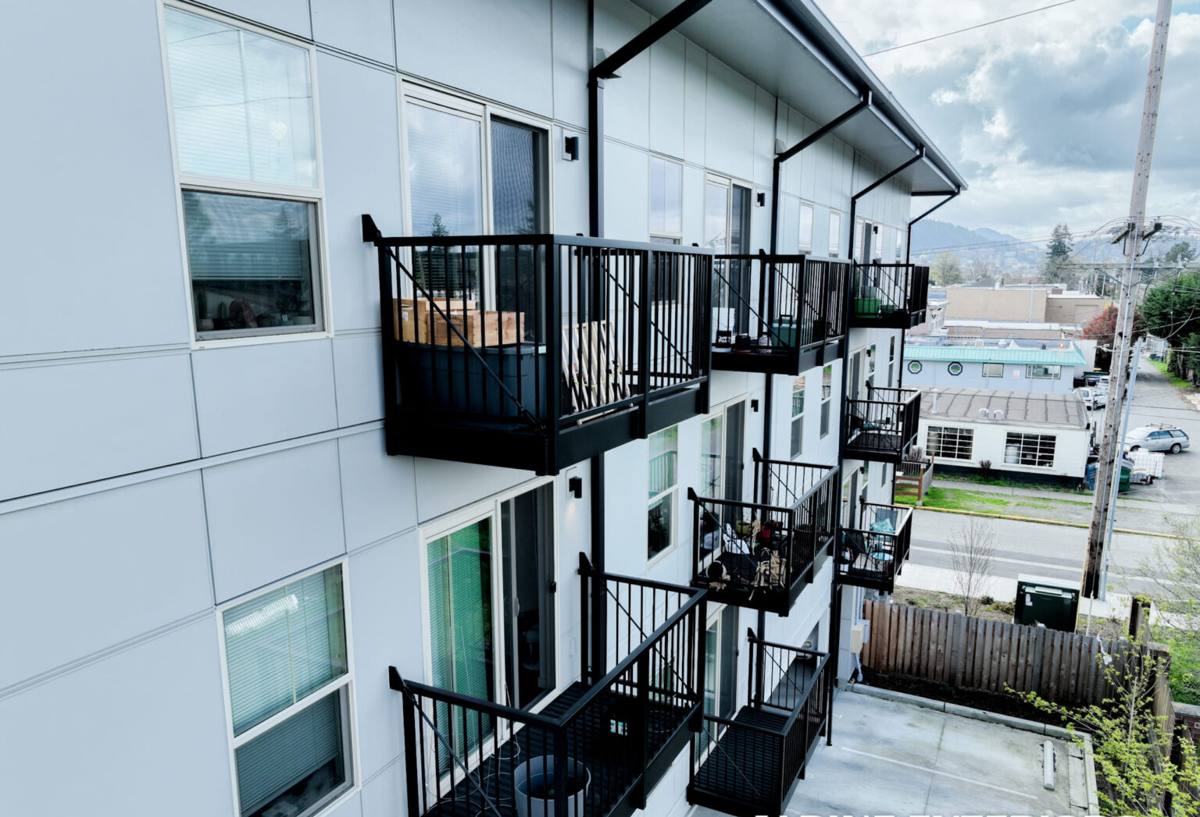
What Salt Air, Rain, and Moss Actually Do to a Wall
Salt Air and Metal Components
Marine air carries fine salt particles that settle on every exterior surface, including siding, trim, and fasteners. Over time, salt exposure accelerates corrosion on unprotected or lower-grade metal, and it can degrade coatings that aren't rated for coastal exposure. Siding material that resists this kind of environment, paired with corrosion-resistant fasteners and flashing, matters more here than it does a few miles inland.
Wind-Driven Rain and Seams
Straight-down rain is easy on a house. Wind-driven rain isn't — it gets pushed sideways and upward into laps, seams, corners, and anywhere trim meets siding. A wall system built for this needs correctly lapped courses, properly flashed penetrations, and a drainage plane behind the siding that lets any water that does get past the surface find its way back out instead of soaking into the wall assembly.
Moss, Shade, and Moisture Retention
Whatcom County's damp season keeps north-facing walls, shaded elevations, and anything near overhanging trees wet for extended stretches. That's exactly the environment moss and algae need to take hold. Siding that holds moisture against its surface, or that has a painted finish prone to failure in damp conditions, shows green and black staining faster and needs more frequent cleaning and repainting than a material engineered to shed water and hold its finish.
Why We Install Only James Hardie Fiber Cement
We standardized on James Hardie fiber cement siding, and we don't install LP SmartSide, vinyl, Cemplank, Allura, primed spruce, or cedar. That's not a marketing position, it's a practical one, built around the climate described above.
Fiber cement is non-combustible, which matters for insurance and safety considerations even in a wet climate. Hardie's HZ product lines are engineered in specific formulations for different climate zones, including wet, moderate-freeze regions like ours, which affects how the board handles moisture cycling over decades. The ColorPlus factory finish is baked on under controlled conditions rather than field-applied, which gives it better adhesion and fade resistance than a job-site paint job, and it carries its own finish warranty separate from the substrate warranty. Wood-based products like primed spruce or cedar require an ongoing paint and moisture-management commitment that's harder to keep up with in a climate that stays damp for months at a stretch. Vinyl can warp and fade and doesn't offer the same fire performance. We'd rather install one product correctly and stand behind it than offer several options and hope the cheapest one holds up.
What a Correct Installation Involves Here
Water-Resistive Barrier and Rain Screen Gap
Every installation starts with a continuous water-resistive barrier over the sheathing, with all seams and penetrations properly taped and flashed. In a wind-driven rain climate, we also build in a rain screen gap, a small air space between the barrier and the siding, so that any moisture that gets behind the cladding can drain and dry instead of sitting against the wall.
Fastening Pattern and Clearances
Hardie siding has specific fastener spacing, embedment depth, and clearance requirements from the manufacturer, including minimum gaps at the ground, roofline, decks, and other siding-to-trim transitions. Getting these wrong is one of the most common causes of premature failure, not the material itself, but how it was hung.
Flashing, Caulking, and Trim Details
Every window, door, and penetration needs flashing that directs water outward and down, not into the wall cavity. Caulking has its place at specific joints, but it's a backup to good flashing and lap sequencing, not a substitute for it. Trim details around corners and openings are where wind-driven rain finds its way in if they aren't done right.
Factory Finish vs. Field Paint
Because ColorPlus siding arrives factory-finished, the installation crew's job is to keep that finish intact: cutting with the right blades to avoid chipping, touching up cut edges with the matched touch-up product, and avoiding the kind of handling damage that would force a homeowner into an early repaint.
Our Process for a Sehome Project
- Walkaround and assessment. We look at wall exposure, existing moisture damage, and trim condition, and note which elevations take the worst of the wind and rain, since not every side of the house needs the same attention.
- Plan and product selection. We go over the right Hardie product line and profile for the home, plus ColorPlus color options, and explain the reasoning so the decision makes sense, not just the price.
- Prep and removal. Old siding comes off and sheathing gets inspected for hidden rot or moisture damage before anything new goes on. This step is where problems from a previous installation usually surface.
- Barrier, flashing, and installation. Weather barrier, rain screen gap, flashing, and siding go on to manufacturer spec, with close attention to the fastening and clearance details covered above.
- Final walkthrough. We walk the finished job with the homeowner, cover basic care, and answer questions about warranty coverage on both the substrate and the ColorPlus finish.
What Affects the Cost of a Job
Every home is different, and a real number only comes from an on-site look. In general, these are the factors that move a fiber cement project up or down in scope and price:
| Factor | Why It Matters |
|---|---|
| Wall exposure and prep needed | Homes with hidden moisture damage behind old siding need sheathing repair before new siding goes on |
| Siding profile and trim complexity | Lap width, shingle-style accents, and trim detail all affect labor time |
| Home size and story height | More wall area and taller elevations mean more material and more time on lifts or scaffolding |
| Number of penetrations | Windows, vents, and fixtures each need individual flashing work |
| Color selection | Factory ColorPlus finishes carry different pricing tiers than primed board painted on site |
| Access and site conditions | Tight lots, slopes, and landscaping near the home can add setup and protection time |
Living With Fiber Cement in This Climate
Correctly installed Hardie siding is low-maintenance compared to wood or a field-painted product, but low-maintenance isn't no-maintenance in a climate with this much moisture and salt exposure. A simple seasonal routine keeps it looking right and catches small issues before they become expensive ones.
- Rinse siding down once or twice a year to clear salt residue and organic buildup, especially on elevations facing the water or shaded by trees
- Check caulking at window and door trim annually for cracking or separation
- Keep gutters clear so overflow doesn't run down the wall face and feed moss growth
- Trim back vegetation that shades siding and keeps it damp longer than the rest of the house
- Watch for green or black staining on north-facing and shaded walls and clean it before it spreads
- Inspect trim and flashing after major windstorms for anything knocked loose
Why a Crew That Already Works This Area Matters
A crew that regularly works siding jobs around Sehome and the surrounding Whatcom County coastline already knows which elevations of a typical home take the worst wind-driven rain, how fast moss establishes on shaded walls in this climate, and what corrosion-resistant hardware and flashing choices hold up against salt air over the long run. That's the difference between a crew installing to a generic spec sheet and one installing for the conditions your home actually faces every winter.
If you're considering new siding for a home in Sehome, we're happy to take a look and give you a straight assessment: no pressure, no sales script, just an honest read on your home's condition and what correct James Hardie fiber cement installation would involve. Request a free estimate using the form below.