 Chuckanut
 Why Sehome Homes Need Siding Built for This Climate
Sehome sits in a part of Whatcom County where the weather doesn't do anything in half measures. Homes here deal with salt-laden air moving in off the water, long stretches of driving rain that push moisture sideways into wall assemblies, and a moss and algae season that can run most of the year on shaded north- and west-facing walls. Any siding product you put on a Sehome home has to handle all three at once, year after year, without babysitting from the homeowner.
That's the whole reason we install James Hardie fiber cement and nothing else. Not because Hardie is trendy, but because it's the product that holds up to this specific combination of conditions with the least long-term maintenance and the fewest failure points. This page is about one job in one neighborhood: what a correct James Hardie install looks like on a Sehome house, and why the details matter more here than they would in a drier, calmer climate.
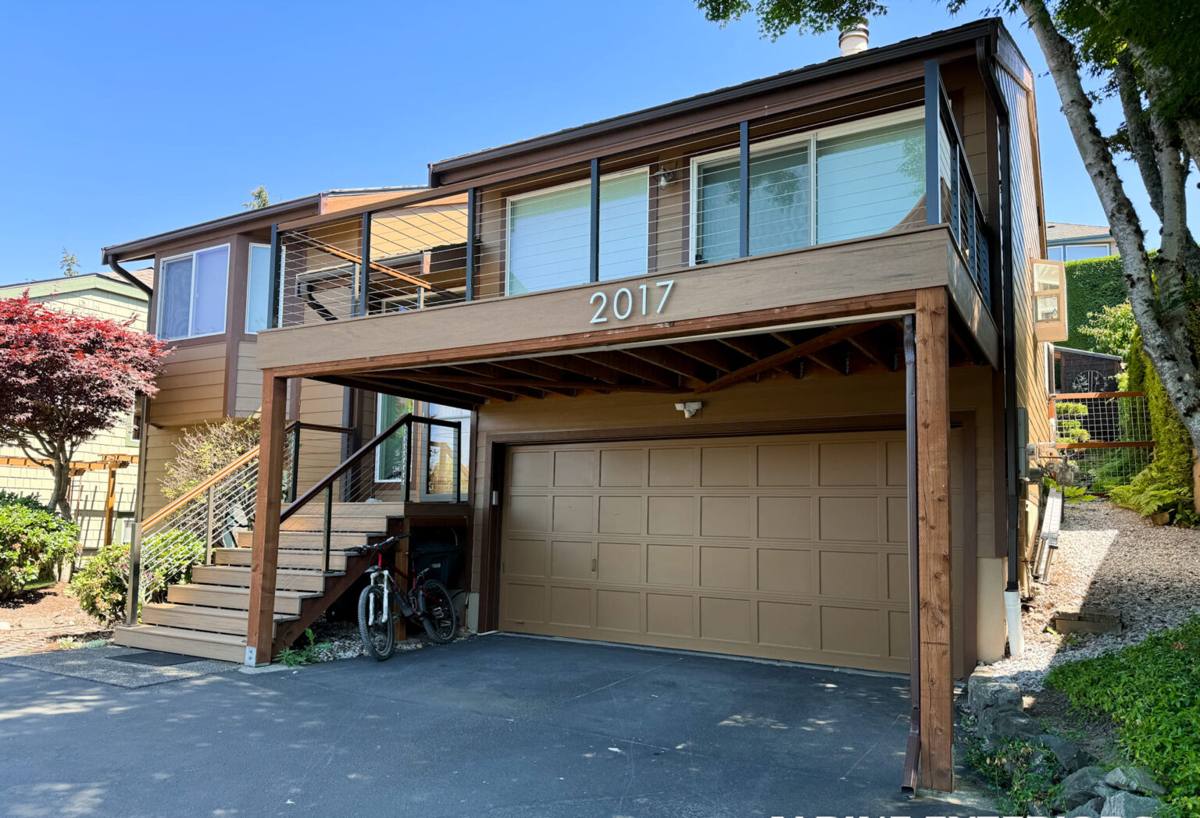
What Salt Air, Driving Rain, and Moss Actually Do to Siding
Salt Air and Fastener Corrosion
Homes closer to Bellingham Bay and the Salish Sea pick up airborne salt that settles on every exterior surface, including fasteners, flashing, and trim. Over years, salt exposure accelerates corrosion on anything less than fully rated hardware — rusted nail heads bleed through paint, corroded flashing fails quietly behind the cladding, and cheap trim fasteners let go well before the siding itself wears out. It's rarely the siding material that fails first in a coastal-influenced climate like this one; it's the metal holding it together.
Wind-Driven Rain and Moisture Intrusion
Whatcom County rain doesn't just fall — a good storm off the water pushes it sideways into every seam, lap, and penetration on a wall. Siding that depends on paint film alone to stay watertight, or that swells and distorts when it takes on moisture, is fighting a losing battle here. What actually protects the wall is the combination of the cladding material's own moisture resistance and correct water-shedding detail work underneath it: proper laps, flashing at every penetration, and a drainage plane that lets any water that does get past the siding find its way back out.
Moss and Algae on Shaded Walls
Sehome's tree cover and marine-layer humidity keep shaded siding damp for long stretches, which is exactly what moss and algae need to take hold. On absorbent or porous siding materials, that moisture gets pulled into the substrate itself, which is where rot and delamination start. A siding surface that doesn't absorb water in the first place is far less hospitable to moss, and far easier to keep looking clean with an occasional gentle wash rather than aggressive scrubbing or re-coating.
Why We Standardized on James Hardie for This Area
James Hardie fiber cement is engineered specifically for problems like these. It's non-combustible, dimensionally stable in wet climates, and available in HZ product lines built for different regional exposure levels — the version we install here is matched to the Pacific Northwest's wet, temperate conditions rather than a generic national spec. It doesn't absorb water the way wood-based products do, it doesn't need repainting on the same aggressive cycle as primed wood siding, and its ColorPlus factory finish is baked on and warranted separately from the substrate, which matters a lot when salt air and UV are working against paint adhesion year-round.
We get asked from time to time about cheaper alternatives — vinyl, primed wood, engineered wood products like LP SmartSide, other fiber cement brands. We don't install any of them, and it's not because they're bad products in every setting. It's that in this specific climate, with this much wind-driven rain and this much moss pressure, the trade-offs stack up against the homeowner: vinyl can warp and doesn't stop moisture from reaching the wall behind it, engineered wood products are more sensitive to sustained moisture exposure at cut edges and seams, and primed wood or cedar demand a repainting and maintenance schedule that most homeowners don't want to keep up with for the next twenty years. Hardie is the one product we've found that lets us tell a Sehome homeowner "this will still look right in fifteen years with minimal upkeep" and mean it.
What a Correct James Hardie Install Involves
Hardie siding is only as good as the installation behind it. The material is engineered to perform, but a rushed or generic install can undercut all of that — and in a wet climate, installation mistakes show up faster than they would somewhere dry. On every Sehome project, a correct install includes:
- Manufacturer-specified clearances between the siding and grade, roof lines, decks, and any hard surfaces, so water and debris don't sit against the bottom edge of the boards
- Correct fastener type, spacing, and penetration depth — using hardware rated for coastal and marine-influenced exposure, not standard interior-grade fasteners
- Flashing integrated at every window, door, and penetration, lapped correctly with the weather-resistive barrier so water is directed out and away from the wall assembly
- Proper lap dimensions and joint treatment at butt seams, caulked or flashed per Hardie's published details rather than eyeballed
- A continuous, correctly lapped drainage plane behind the siding so any moisture that does get past the cladding has somewhere to go
- Factory-cut and factory-primed edges kept intact wherever possible, with field cuts sealed per Hardie's install guidelines to protect against moisture wicking
Skip any one of these and you don't get a Hardie failure exactly — you get a flashing failure, a fastener failure, or a drainage failure that happens to be sitting behind Hardie boards. The material can only do its job if everything behind and around it is done right, which is why installation quality matters as much as the product choice itself.
How Our Process Works on a Sehome Job
Assessment and Plan
We start by walking the exterior and looking specifically at what this climate does to a house: which walls take the most wind-driven rain, where moss and algae are already established, where existing flashing and trim are showing corrosion or wear, and where the current siding is failing to shed water correctly. That assessment shapes the install plan — including which HZ product and Hardie profile fits the exposure on each side of the house.
Installation
Removal of the old siding gives us a chance to check the wall sheathing and weather barrier underneath before anything new goes on — problems found and fixed at this stage are far cheaper than problems discovered years later. From there, we install to Hardie's published specifications: correct clearances, flashing at every penetration, proper fastening, and joint treatment, with attention to the coastal exposure this neighborhood sees.
Finish and Warranty
ColorPlus prefinished siding means there's no field-painting step to get wrong, and the finish carries its own manufacturer warranty separate from the substrate. Before we consider a job done, we walk it with the homeowner, confirm every detail matches spec, and make sure warranty paperwork is registered correctly — not left as an afterthought.
Comparing Siding Options for a Climate Like This
| Factor | James Hardie Fiber Cement | Vinyl | Primed Wood / Cedar | Engineered Wood (e.g. LP SmartSide) |
|---|---|---|---|---|
| Moisture resistance | High — doesn't absorb water into the substrate | Sheds surface water but seams and gaps let moisture behind the panel | Absorbent; prone to swelling and rot without diligent upkeep | Better than raw wood but sensitive at cut edges and sustained wet exposure |
| Moss/algae resistance | Good — non-porous surface, easier to clean | Moderate — surface growth is common in shaded, damp spots | Poor — porous surface holds moisture that feeds growth | Moderate — depends on coating condition |
| Fire performance | Non-combustible | Combustible, can deform under heat | Combustible | Combustible |
| Maintenance cycle | Occasional wash; factory finish holds up for years | Low maintenance but can crack, fade, or warp over time | Repainting/staining every few years | Regular coating maintenance to protect edges and seams |
| Typical lifespan with correct install | Multiple decades | Variable; shorter in harsh coastal exposure | Shorter without consistent upkeep | Moderate, upkeep-dependent |
Why Hiring a Crew That Already Works in Sehome Matters
Fiber cement installation isn't a one-size-fits-all skill. A crew that mostly works inland, drier parts of the state can do a technically fine install that still isn't right for this exposure — because they're not used to detailing for wind-driven rain angles, coastal-grade fasteners, or the moss patterns that show up on Sehome's shaded elevations. A crew that already works this neighborhood knows which walls take the worst weather, has already seen what generic installs fail at locally, and details every job accordingly instead of applying a national-average standard to a coastal Whatcom County home.
That local familiarity also shows up in small decisions that add up: which side of the house needs tighter flashing detail because of prevailing wind direction, where extra clearance at grade matters because of drainage patterns, and which trim details hold up best against salt exposure over time. None of that is guesswork when you've installed on streets nearby before.
What to Look for When Vetting a Siding Contractor Here
- Manufacturer training or certification specific to James Hardie installation, not just general siding experience
- A written scope that names the specific HZ product and profile being used, and why it fits your exposure
- Clear answers about flashing and drainage plane details — not just "we'll caulk it"
- Local project history in Whatcom County or comparable coastal-influenced climates
- A warranty explanation that covers both the Hardie product/finish warranty and the contractor's own workmanship warranty
- Willingness to walk the exterior with you and point out the specific problem areas on your home before quoting
If a contractor can't speak specifically to how they'll handle wind-driven rain and moss exposure on your walls, that's worth asking more questions about before signing anything.
Get a Straight Answer for Your Sehome Home
Every house on every street handles this climate a little differently depending on shading, wind exposure, and how the current siding has held up so far. If you're weighing a siding replacement in Sehome and want a straightforward look at what James Hardie would involve on your specific home — no pressure, no generic sales pitch — request a free estimate below and we'll walk the exterior with you and talk through what we see.