 Chuckanut
 Blanchard's Location Puts Extra Demands on Siding
Blanchard sits in the Chuckanut area, close enough to the water to catch salt-laden air on a regular basis, and low enough in the tree cover to stay damp and shaded through much of the year. That combination is harder on exterior siding than most homeowners realize. It isn't one big weather event that causes problems here — it's the slow, repeated exposure to salt air, wind-driven rain, and a long moss season that wears down whatever is on the wall, one season at a time.
A siding replacement in this part of Whatcom County has to be planned around those specific conditions, not treated as a generic "put new siding on the house" job. What holds up on a dry inland property in Eastern Washington will not perform the same way a few miles from the Chuckanut shoreline.
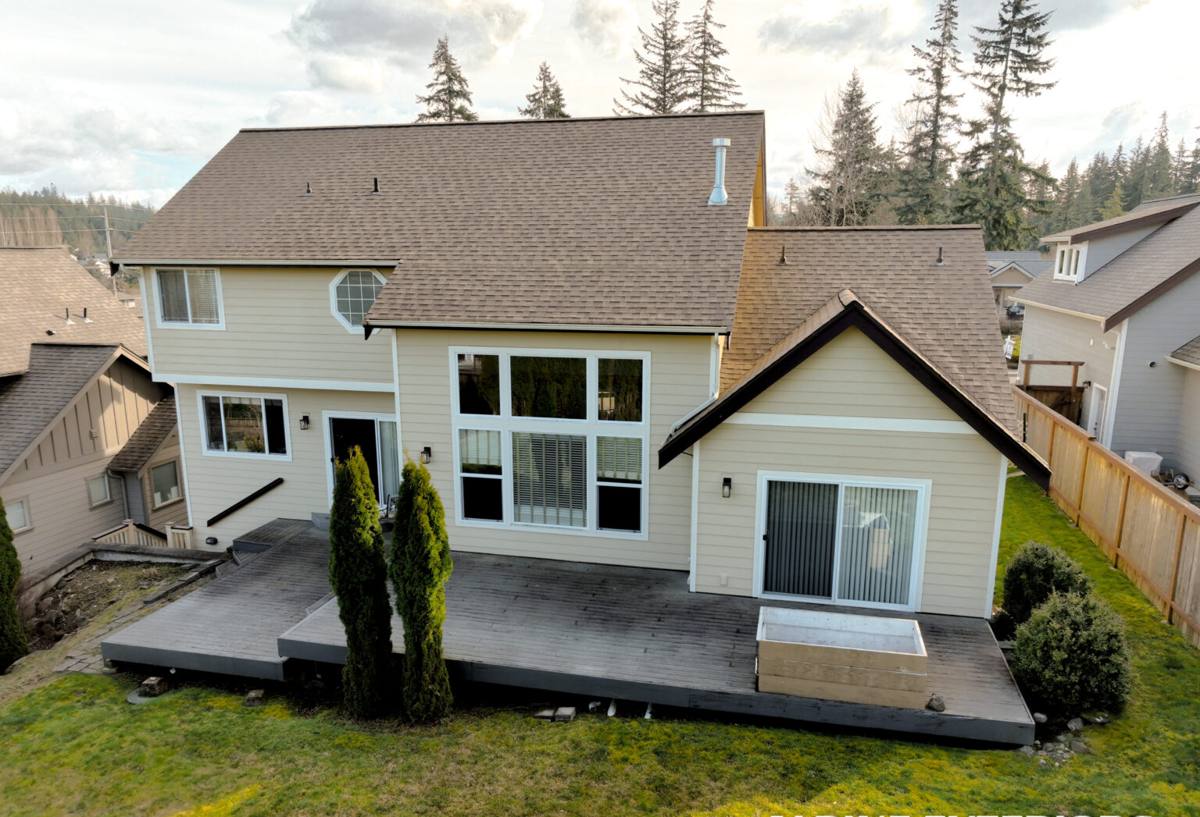
What Salt Air, Rain, and Moss Actually Do to Siding Over Time
Salt-Laden Air
Airborne salt is corrosive to metal fasteners, flashing, and trim, and it accelerates the breakdown of some paint and coating systems. Siding products that rely on a surface-applied finish tend to chalk, fade, or lose adhesion faster in a coastal-influenced environment than the same product would inland.
Wind-Driven Rain
Rain that comes in sideways during a windstorm doesn't just run down a wall — it gets pushed into laps, seams, and any gap around trim, windows, and doors. If the water-resistive barrier behind the siding, or the flashing details around penetrations, aren't done correctly, that moisture works its way behind the cladding where it can sit against the sheathing for weeks at a time.
Moss and Algae
Shaded, damp exteriors in this area grow moss and algae faster than sunnier, drier ones. Beyond the cosmetic staining, a layer of moss or algae holds moisture directly against the siding surface, which keeps the material wet longer after every rain and speeds up deterioration underneath it — especially on the north-facing and heavily shaded walls that get the least drying time between storms.
What a Correct Siding Replacement Actually Involves
Replacing siding is not simply removing old panels and nailing up new ones. Done correctly, a full siding replacement in this climate includes several steps that don't show up in a quick drive-by estimate:
- Full tear-off of the existing siding, with an inspection of the sheathing underneath for rot, soft spots, or prior water damage
- Repair or replacement of any damaged sheathing before new material goes up — covering rot with new siding only hides the problem
- Installation of a code-compliant water-resistive barrier, lapped correctly from bottom to top so water sheds outward
- Proper flashing at every window and door head, at deck ledgers, and at roof-to-wall intersections, including kickout flashing where a roofline meets a sidewall
- Correct fastening pattern and fastener type for the specific siding product being installed
- Proper clearances — siding held up off grade, decks, and roof surfaces so it isn't sitting in standing water or trapped moisture
- Caulking only at the joints designed to be sealed, not as a substitute for proper flashing
Skipping any one of these steps is how a siding job can look fine for a year or two and then fail early — usually right at the trim, corners, or wall penetrations where water intrusion actually happens.
Why We Install Only James Hardie Fiber Cement Here
We install James Hardie fiber cement siding exclusively, and in an area dealing with salt air, driving rain, and a long moss season, that's a deliberate choice rather than a brand preference. Hardie's HZ5 product line is engineered specifically for climates like this Pacific Northwest region, where moisture exposure is a year-round factor rather than an occasional storm.
Fiber cement itself is non-combustible and dimensionally stable, so it doesn't swell, warp, or rot the way wood-based siding products can when they stay wet. Hardie's ColorPlus factory finish is baked on under controlled conditions rather than field-applied, which gives it better fade and wear resistance than a coat of paint applied on-site — a real advantage in an environment where salt air is already working against surface coatings. The product also carries a strong, transferable warranty, which matters to homeowners who may sell the house before the siding's functional life is over.
None of this means fiber cement is maintenance-free. It still needs to be installed correctly, caulked at the right joints, and painted eventually if the factory finish is not refreshed. But it holds up to this specific climate significantly better than the alternatives, which is why it's the only product we put on a home.
Our Process for a Blanchard Siding Replacement
- On-site assessment. We walk the exterior, check the condition of the existing siding, and look for signs of moisture already behind it — soft spots, staining, or bubbling paint.
- Sheathing and moisture check. Where we suspect prior water intrusion, we open up a section to confirm the condition of the sheathing before quoting the job.
- Material order. Hardie panels, trim, and accessories are ordered to match the home's design and the specific HZ line appropriate for this climate.
- Tear-off and prep. Old siding comes off, damaged sheathing is repaired, and the water-resistive barrier and flashing go in before a single new panel is hung.
- Installation to manufacturer spec. Fastening, clearances, and flashing details follow Hardie's published installation requirements, not shortcuts.
- Cleanup and walkthrough. Job site debris is cleared, and we walk the finished exterior with the homeowner before calling the job done.
Siding Material Comparison for This Climate
Homeowners in the Blanchard area often ask how fiber cement stacks up against the other materials they've seen. Here's an honest comparison based on how each product tends to perform in a salt-air, high-rainfall, high-shade environment:
| Material | Salt Air / Moisture Resilience | Maintenance | Typical Lifespan | Finish / Warranty |
|---|---|---|---|---|
| James Hardie fiber cement | Strong — non-combustible, dimensionally stable | Low; occasional repaint of factory finish over time | 30+ years with correct install | Factory ColorPlus finish, transferable warranty |
| Vinyl | Moderate; can warp or fade with prolonged UV and heat cycling | Low, but limited repair options if damaged | 20-30 years | Color molded in, warranty often prorated |
| LP SmartSide (engineered wood) | Sensitive to sustained moisture exposure at cut edges and seams | Moderate; edges and seams need attention | 20-30 years with diligent maintenance | Factory-treated, warranty conditions on installation and sealing |
| Untreated or primed cedar | Weak in sustained damp/shaded conditions without upkeep | High; regular refinishing and moss treatment needed | 15-25 years, shorter in shaded/damp areas | No factory finish; warranty limited to material defects |
Signs Your Blanchard Home Needs Siding Replacement Now
- Persistent moss or algae growth that returns shortly after cleaning
- Peeling, bubbling, or chalking paint on the siding surface
- Soft spots, or a "give" when you press on the siding near the bottom courses or around trim
- Visible warping, cupping, or separation at seams and corners
- Gaps opening up around window and door trim
- A noticeable rise in heating costs with no other explanation
- Siding original to a home built more than 20-25 years ago
Any one of these on its own may just need a repair. Several at once, especially combined with visible moisture staining, usually means the underlying moisture barrier or sheathing has already been compromised and a full replacement is the more honest recommendation.
Why a Crew That Already Works This Area Matters
Siding installation isn't uniform across a region — the details that matter change with exposure. A crew that already works the Blanchard and Chuckanut area has seen, firsthand, where water tends to get into homes with this kind of salt-air and shade exposure: which wall orientations grow moss fastest, where kickout flashing tends to get missed on older homes, and how much drying time to expect between rain events when scheduling a tear-off.
That familiarity also extends to working within Whatcom County's permitting and code requirements, and to scheduling around this region's rain patterns so a home isn't left exposed with the old siding off and the new siding not yet up. It's a small thing until it isn't — a poorly timed tear-off during a wet stretch can do more damage than the old siding was causing.
What Affects the Cost of a Blanchard Siding Replacement
Every home is different, but the main cost drivers on a project like this are fairly consistent:
- Home size and number of stories — more square footage and taller walls mean more material and labor, plus added scaffolding or lift needs
- Condition of what's being removed — a straightforward single layer of old siding costs less to tear off than multiple layers or siding hiding water damage
- Trim and detail work — homes with more window and door trim, corner boards, and architectural detail take longer to finish correctly
- Sheathing repairs — any rot discovered during tear-off needs to be repaired before new siding goes on, which adds to the scope
- Accessibility — tight lot lines, steep grades, or limited equipment access can add time to the job
We give a firm, itemized quote after the on-site assessment, not a rough number based on square footage alone, so homeowners know exactly what they're paying for and why.
If your Blanchard home is showing any of the signs above, or you'd simply like an honest read on how much life is left in your current siding, we're glad to come take a look. The estimate is free, there's no pressure, and you'll get a straight answer about what your home actually needs — use the form below to get started.