 Chuckanut
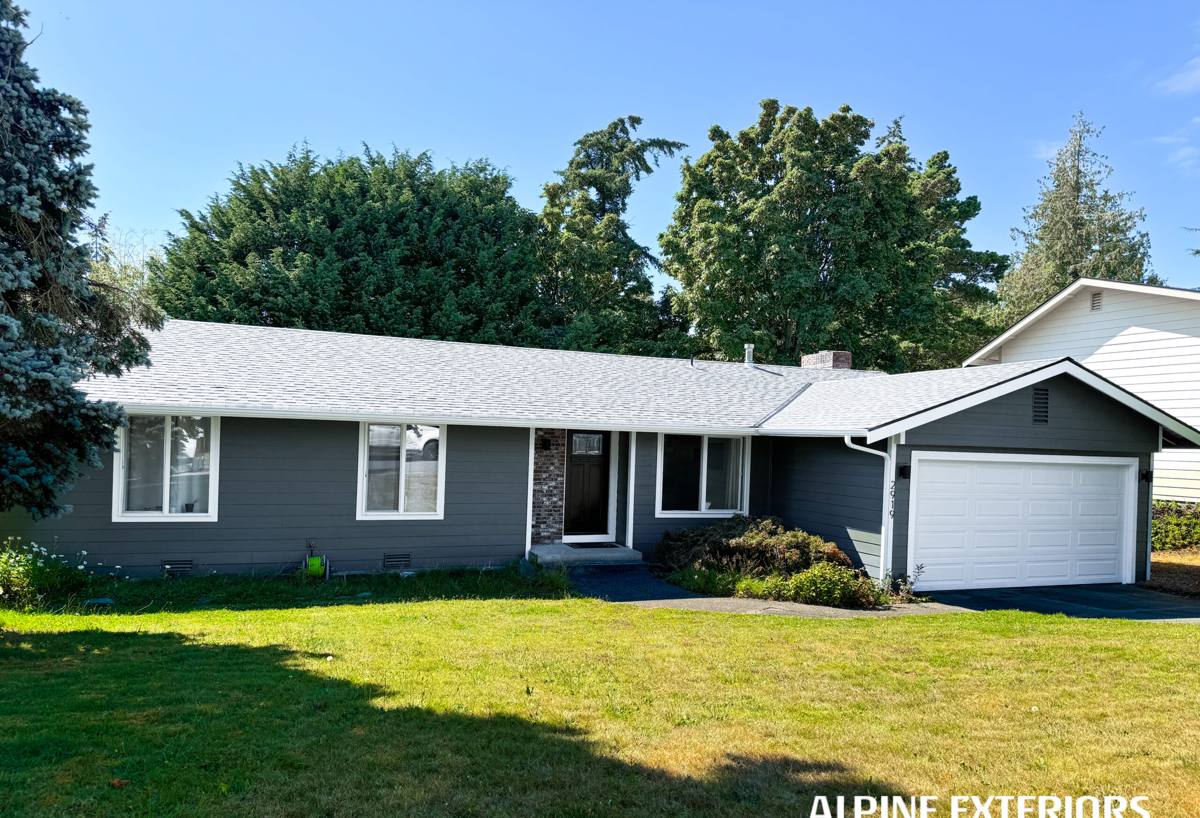
 Fiber Cement Siding Built for South Hill's Weather
South Hill sits close enough to the water and the tree line that its houses take a different kind of beating than homes a few miles inland. Salt-laden air moves through on the wind, driving rain comes in sideways during the wet months, and shaded north- and west-facing walls stay damp long enough to grow moss for a good chunk of the year. Siding here doesn't just need to look good — it needs to shed water fast, resist corrosion, and hold its finish through repeated soak-and-dry cycles without cupping, swelling, or feeding mold at the seams.
That's the backdrop for every fiber cement siding job we do in this part of Chuckanut. We're not guessing at what the climate will do to a wall assembly — we've pulled off enough old siding in this neighborhood to see exactly where it fails, and we build every replacement job to close those specific gaps.
Why Standard Siding Struggles Here
Salt Air and Fasteners
Homes within reach of salt-laden coastal air see faster corrosion on anything less than proper stainless or hot-dip galvanized fasteners. Standard electro-galvanized nails and staples can start showing rust bleed through paint within a few years in this kind of exposure. It's a small detail that gets skipped constantly, and it's one of the first things we check when we're pricing a tear-off.
Driving Rain and Wall Assemblies
Whatcom County's weather doesn't just rain straight down — wind-driven rain pushes moisture sideways into laps, corners, and butt joints. A siding system that isn't gapped, flashed, and caulked correctly at every one of those points will eventually let water behind the cladding, where it's slow to dry and quick to rot sheathing and trim.
Moss and Prolonged Dampness
Long moss seasons mean long stretches where north-facing and shaded walls simply don't dry out between rain events. Porous or poorly sealed materials hold that moisture at the surface, which accelerates paint failure and gives moss and algae a foothold. Fiber cement handles this dramatically better than wood-based products because it doesn't swell, delaminate, or provide the organic material that mold needs to establish itself — but only when the finish and the joints are done right.
Why We Only Install James Hardie
We standardized on James Hardie fiber cement for every siding job we do, including here in South Hill, and we don't install vinyl, LP SmartSide, or other fiber cement brands. It comes down to what actually holds up under this specific weather pattern over decades, not just what looks good on day one.
- Non-combustible core — fiber cement doesn't feed a fire the way wood-based siding can, which matters for insurance and peace of mind alike.
- ColorPlus factory finish — baked-on, UV-cured color that resists the fading and chalking that field-applied paint shows first, especially on sun-exposed south and west walls.
- Climate-engineered HZ formulations — Hardie's HZ5 product line is engineered specifically for wet, freeze-thaw-prone climates like ours, with moisture and impact resistance tuned for exactly this kind of exposure.
- A real, transferable warranty — one that stays backed by a manufacturer with a long track record, not a smaller regional supplier.
We're not going to tell you vinyl or engineered wood products are junk — they have their place and their price point. But we've made a professional call that for the moisture load, salt exposure, and moss pressure a South Hill home deals with, fiber cement installed to spec is the product we're willing to put our name behind.
What a Correct Fiber Cement Installation Actually Involves
Fiber cement is only as good as the installation underneath it. A rushed or under-detailed job can fail in this climate almost as fast as a cheaper material, just more expensively. Every job we do here follows the same non-negotiable steps.
Before the Siding Goes On
- Full inspection of sheathing for existing rot, especially around old penetrations, low trim boards, and anywhere the prior siding was tight to grade or roofing
- Weather-resistive barrier installed correctly lapped, shingle-style, so water is directed out and down, never trapped behind the cladding
- Flashing at every window, door, deck ledger, and roof-to-wall intersection — the places we most often find failure on tear-offs
- Proper clearance from grade, roofing, and decks per Hardie's installation instructions, so the bottom edge of the siding isn't sitting in standing water or snow load
During Installation
- Correct fastener type and spacing — corrosion-resistant fasteners driven per manufacturer spec, not just "close enough"
- Proper gapping at all butt joints and around penetrations, sealed with a high-quality, paintable sealant rated for exterior movement
- Panels and planks blind-nailed or face-nailed exactly per the Hardie install guide for the specific product and climate zone, since a mis-nailed job can void the warranty even if it looks fine at close-out
Our Process for South Hill Projects
1. On-Site Assessment
We walk the whole exterior with you, not just the sides you're worried about. Shaded walls, low trim, and areas near downspouts or sprinkler overspray often show damage before the more visible elevations do.
2. Tear-Off and Sheathing Check
Once the old siding comes off, we inspect the sheathing and framing underneath. Any soft or water-damaged wood gets replaced before anything new goes on — covering up a rot problem with new siding just delays and hides it.
3. Weather Barrier and Flashing
This is the step that determines whether the wall stays dry for the next 30-plus years. We install the water-resistive barrier and flashing details first, and we don't shortcut this stage to save time.
4. Hardie Installation to Spec
Siding, trim, and accessories go on following James Hardie's published installation instructions for our climate zone — correct fasteners, correct gaps, correct clearances.
5. Caulking, Touch-Up, and Final Walkthrough
Cut edges get factory touch-up or approved sealant where required, and we walk the finished job with you before we call it done.
Cost Factors for a South Hill Fiber Cement Project
Every home is different, but the same handful of factors drive most of the cost variation we see on jobs in this area. This isn't a quote — it's what to expect the conversation to cover when we come out and look at your house.
| Factor | Why It Matters | Typical Impact |
|---|---|---|
| Existing siding removal | Some materials come off clean; others (especially old, brittle, or asbestos-containing siding) take longer and may need special handling | Moderate to significant |
| Sheathing or framing repair | Hidden rot found during tear-off has to be fixed before new siding goes on | Variable — depends on what's found |
| Trim and architectural detail | Homes with more corners, dormers, or decorative trim take more labor and material to flash and finish correctly | Moderate |
| Siding profile and plank width | Lap width, shingle-style panels, and board-and-batten all price differently in material and labor | Moderate |
| Story height and access | Two- and three-story walls need more scaffolding or lift time | Moderate |
| Color choice | Factory ColorPlus finish carries a different cost structure than field-applied paint, but lasts longer against UV and salt exposure | Minor to moderate |
What to Look for in a Correctly Finished Job
Whether you hire us or someone else, this is the checklist we'd want you to hold any contractor to on a fiber cement project in this climate.
- Corrosion-resistant fasteners used throughout, not just on the visible top course
- Proper gaps at all butt joints, sealed with exterior-rated caulk, not siding butted tight
- Flashing visible (or documented) at every window, door, and roof intersection before siding closed it up
- Clearance maintained between the bottom edge of siding and grade, roofing, and decks
- No exposed raw cut edges left unsealed or unpainted
- A written warranty that covers both material and workmanship, not just the manufacturer's product warranty
Living With Fiber Cement in This Climate
One of the practical advantages of a correctly installed Hardie system here is how little upkeep it asks for. A factory ColorPlus finish doesn't need repainting on the schedule that field-painted wood or fiber cement does, which matters when your walls are getting steady salt air and long wet seasons. An occasional gentle rinse to knock off moss spores and organic buildup on shaded sides is generally enough — no pressure washing directly into joints or under laps, since that can force water where it doesn't belong. Keep an eye on caulked joints and touch up any cracking promptly, and keep gutters and downspouts clear so water isn't sheeting down the wall face longer than it needs to.
Why Local Experience in South Hill Matters
A siding crew that already works in this part of Whatcom County isn't guessing at how the weather here behaves — we've seen which walls take the worst of the driving rain, which sides grow moss first, and where salt air corrosion shows up soonest on fasteners and trim. That translates into fewer surprises during tear-off, better decisions about flashing details before they're covered up, and a finished job that's built for the specific conditions your house actually faces, not a generic install.
If your South Hill home's siding is showing moss staining, cracked caulk lines, soft trim, or paint that's failing faster than it should, we're happy to take a look. Reach out for a free, no-pressure estimate — we'll walk the exterior with you, tell you honestly what we find, and lay out what a correct James Hardie installation would involve for your home.