 Chuckanut
 Storm Damage Roof Repair in the York Area of Chuckanut
Homes in the York area sit close enough to the water that roofs take a different kind of beating than they would further inland. Salt-laden air accelerates corrosion on fasteners and flashing, driving rain finds its way under shingles that would hold up fine in a drier climate, and Whatcom County's long, damp winters give moss months at a time to get established. When a windstorm rolls through and rips shingles loose or drives water under a flashing detail, the damage often isn't limited to what you can see from the ground. We repair storm-damaged roofs for York homeowners with that local reality in mind, not a generic repair checklist.
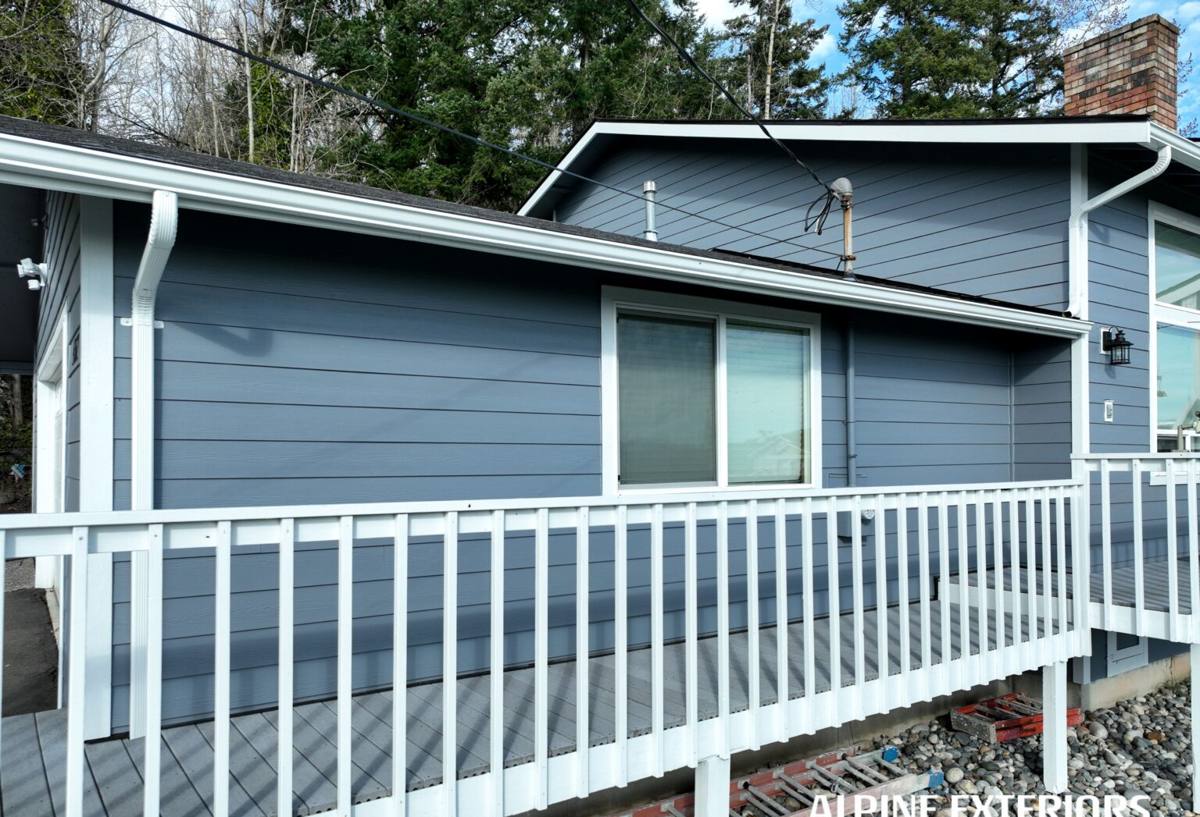
Why This Climate Is Hard on Roofs
Chuckanut's coastal exposure means roofs deal with three compounding stresses most of the year:
- Salt air: corrodes exposed nails, staples, and metal flashing faster than the same materials would wear inland, which is often why a roof loses granule protection or develops rust streaks earlier than its rated lifespan suggests.
- Driving rain: wind-driven storms push water sideways and uphill under shingle edges, valleys, and around penetrations like vents and chimneys — spots that stay dry in a straight-down rain but leak in a real Whatcom County storm.
- Moss season: shaded, north-facing, and low-slope sections can stay damp for months, giving moss and algae time to take hold, lift shingle edges, and hold moisture against the roof deck.
None of these three problems is dramatic on its own. Together, over several storm seasons, they're why roofs in this part of Whatcom County often need attention sooner than a manufacturer's warranty timeline would imply.
What Storm Damage Actually Looks Like
Homeowners usually call us after noticing one obvious sign — a stain on a ceiling, a shingle in the yard, a gutter pulling away from the fascia. The damage that caused it is rarely limited to that one spot. A proper storm damage repair starts with identifying every point where wind or water compromised the roof system, not just patching the visible symptom.
Common storm damage we find on York-area roofs
- Shingles lifted, cracked, or torn loose along ridgelines and roof edges, where wind uplift is strongest
- Flashing pulled away or bent at chimneys, skylights, and wall-to-roof intersections
- Granule loss on shingles from wind-driven debris and years of moss growth holding grit against the surface
- Soft or discolored roof decking where water has been getting underneath for longer than the homeowner realized
- Gutters and downspouts pulled loose, causing water to dump against the fascia and soffit instead of draining away
- Moss mats along shaded slopes that trap moisture and work shingle edges loose over time
The last two items matter because they're often the actual cause of what looks like storm damage. A gutter that failed months ago, combined with a moss mat holding water against the deck, can make a single windstorm the tipping point for a leak that was really building for a season or more.
Our Assessment Process
We start every storm damage call with a full roof inspection, not a spot check of the one area the homeowner flagged. That means walking the roof (weather permitting) or using a ladder and binoculars for a close look when conditions don't allow foot traffic, checking the attic or crawlspace for water intrusion, and documenting what we find with photos before any repair work begins.
What we check on every visit
- All shingle courses, not just the area near the reported leak
- Flashing at every penetration — chimneys, vents, skylights, and wall intersections
- Valleys and low-slope sections where water pools or moss tends to establish
- Gutters, downspouts, and how water is actually draining off the roof
- Attic decking and rafters for soft spots, staining, or active moisture
- Overall moss and algae coverage, especially on shaded and north-facing slopes
We give homeowners a straight answer about what's storm damage versus what's wear-and-tear that the storm exposed. Insurance claims go smoother when the report distinguishes between the two, and homeowners deserve to know which repairs are urgent versus which can be scheduled.
What a Correct Repair Involves
A storm damage repair done right addresses the roofing system, not just the shingles. That usually means:
- Removing damaged material down to sound decking, not just laying new shingles over a compromised area.
- Checking and repairing the decking itself if water has been getting underneath — skipping this step is the most common shortcut that leads to a repeat call.
- Re-flashing any penetration where the original flashing was disturbed, bent, or corroded, using new material rather than reusing bent metal.
- Matching materials as closely as possible to the existing roof so the repair doesn't stand out or create a weak seam.
- Confirming drainage — gutters, downspouts, and any low spots — so the same water pathway that contributed to the damage doesn't cause a repeat.
Given how much salt air and moss pressure York roofs deal with, we also look at whether a light moss treatment or gutter guard makes sense as part of the repair, rather than leaving the homeowner to deal with the same conditions again next season.
Cost Factors for Storm Damage Repair
Every roof and every storm is different, so we don't quote a number sight unseen. The table below outlines the main factors that move a repair from a smaller job to a more involved one.
| Factor | Lower-cost scenario | Higher-cost scenario |
|---|---|---|
| Extent of shingle damage | A localized area, a few courses | Multiple sections or a full slope affected |
| Decking condition | Dry, sound decking under the damage | Soft or rotted decking requiring replacement |
| Flashing involved | One or two penetrations | Multiple flashing points, chimney, or complex roof lines |
| Moss/algae presence | Minimal, easily cleared | Established mats requiring treatment and cleanup |
| Access and roof pitch | Simple, walkable roof | Steep pitch or difficult access requiring extra safety setup |
| Insurance involvement | Straightforward, well-documented claim | Disputed scope requiring detailed reporting and follow-up |
We give a written estimate after the inspection, broken out so homeowners can see exactly what they're paying for and what's optional versus necessary.
Working With Insurance on Storm Claims
Many storm damage repairs in this area go through homeowners insurance, especially after a named windstorm. We document damage thoroughly — photos, measurements, and a written scope — so the claim reflects the actual condition of the roof rather than a guess. We're happy to walk the roof with an adjuster if that's helpful, and we'll explain what we found in plain terms so the homeowner isn't stuck translating an insurance report on their own.
One honest note: not every problem a storm exposes is storm damage. Moss buildup, aging shingles, and worn flashing are maintenance issues that a storm can make obvious but didn't cause. We'll tell you which is which — it's better for the relationship and better for the claim to be accurate up front.
A Quick Checklist for Homeowners After a Storm
- Check the attic or top-floor ceiling for new stains, drips, or damp spots after any significant windstorm
- Walk the yard and gutters for shingle pieces, granules, or torn flashing on the ground
- Look at gutters and downspouts for separation from the fascia or visible sagging
- Note the date and general conditions of the storm — useful if you file an insurance claim
- Avoid climbing onto the roof yourself to inspect — call a roofer for anything above eye level from a ladder
- Don't ignore small leaks — a slow drip after a storm is often a sign flashing or decking has been compromised
Why Local Experience Matters for York Roofs
A crew that already works in the York area knows which roof lines tend to catch wind, which slopes hold moss the longest, and how far inland the salt air's effect on fasteners and flashing typically extends. That local knowledge shapes the repair — where we look first, what we check twice, and what materials hold up best given the specific mix of wind, rain, and moisture this part of Chuckanut sees year after year. It's the difference between a repair that solves the problem and one that just patches the symptom until the next storm season.
If a recent storm has left your roof with missing shingles, a new leak, or damage you're not sure how to assess, we're glad to take a look. Reach out for a free, no-pressure estimate using the form below — we'll walk the roof, tell you honestly what we find, and give you a clear scope before any work begins.