 Chuckanut
 Window Replacement Built for the Mount Vernon Climate
Homes in and around Mount Vernon sit close enough to the water that salt air is a fact of life, not an occasional nuisance. Add in driving rain off the Sound, long stretches of overcast humidity, and a moss season that seems to start earlier every year, and you've got a climate that is genuinely hard on windows. Frames swell and stick. Seals fail years before they should. Aluminum pits and corrodes. Wood sashes that aren't maintained religiously start to soften at the bottom rail. If you've lived here more than a few winters, you've probably seen at least one of these show up on your own house.
This page is specifically about replacing windows on Mount Vernon homes — not a general overview of window brands or a national buying guide. It's what we tell homeowners in this area when they call us, based on what actually holds up here versus what looks good in a showroom two hundred miles inland.
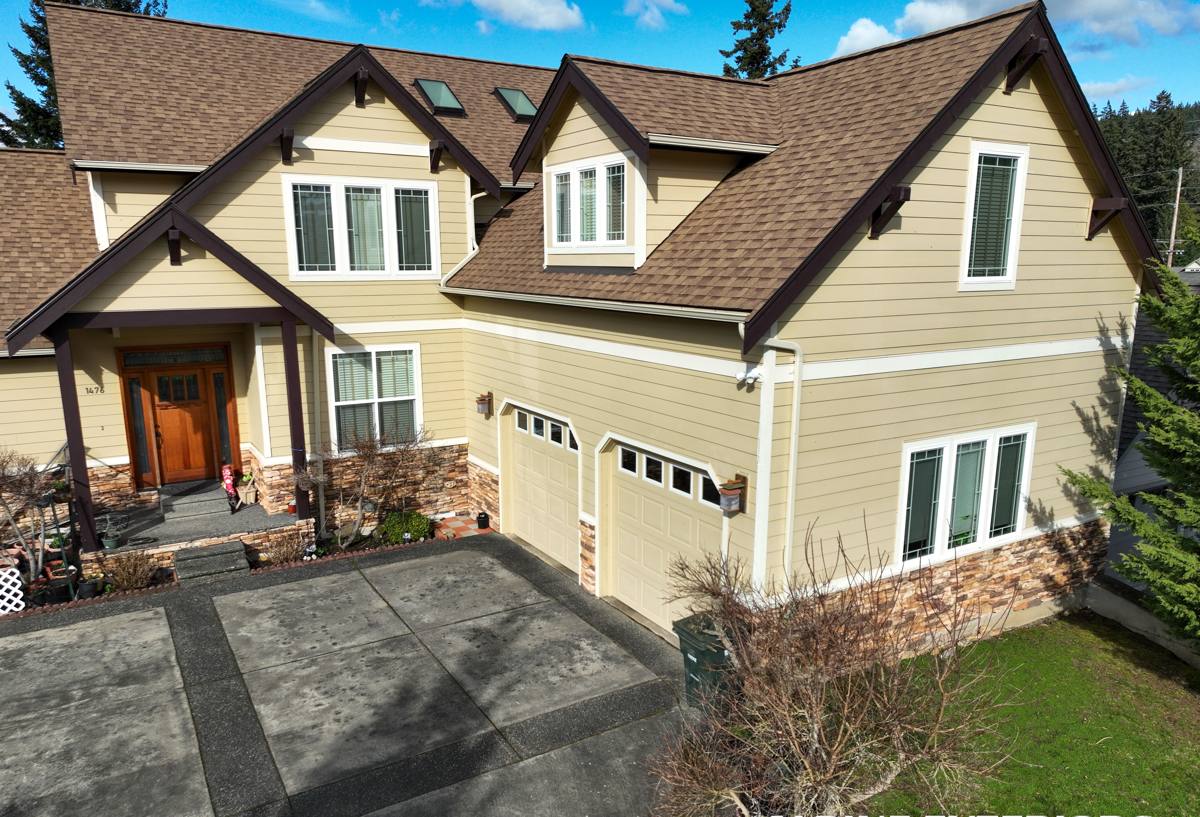
Why Local Conditions Change the Job
Salt Air and Metal Components
Salt-laden air accelerates corrosion on anything metal — hinges, balance systems, screen frames, and especially older aluminum window frames. Aluminum conducts cold and corrodes faster than vinyl or fiberglass in this kind of exposure, which is part of why we steer most Mount Vernon homeowners away from it for exterior-facing replacements. It's not that aluminum is a bad product everywhere; it's that this specific coastal-influenced climate isn't kind to it over a 20-30 year window lifespan.
Driving Rain and Water Management
Wind-driven rain doesn't just hit a window — it gets pushed sideways and upward into gaps that would stay dry in a calmer climate. That means flashing details, sill pans, and sealant work matter more here than in drier parts of the state. A window that's a perfect product but installed without proper water management will leak eventually. We've replaced plenty of windows that failed not because the unit itself was bad, but because the original install skipped a sill pan or used the wrong sealant for the substrate.
Moss, Mildew, and Sill Rot
A long moss season means prolonged moisture sitting against exterior trim and sills for months at a time. Wood sills and trim that aren't properly primed, painted, and maintained will hold moisture and eventually soften. This is one of the most common things we find when we pull old windows here: the sash and glass look fine, but the wood sill underneath is dark, spongy, or already rotting.
Signs a Mount Vernon Home Needs Window Replacement
- Visible fog or moisture trapped between panes (failed seal on double-pane glass)
- Windows that are hard to open, close, or lock — often frame swelling from moisture
- Cold drafts near the frame even when the window is fully closed
- Soft, dark, or crumbling wood at the sill or bottom corners
- Visible corrosion, pitting, or chalky white residue on aluminum frames
- Condensation forming on the inside of the glass regularly in cooler months
- Paint that keeps failing on the same window trim no matter how often it's redone
- Noticeably higher heating bills compared to similar-sized homes nearby
Any one of these on its own might not mean full replacement is urgent. Several together, especially seal failure combined with sill softness, usually means it's time to stop patching and start planning.
What Actually Holds Up Here: Material Comparison
We get asked constantly whether vinyl, fiberglass, or wood-clad is the "best" window. The honest answer is that it depends on budget, the home's style, and how much long-term maintenance the homeowner wants to take on. Here's how the common options perform specifically under our conditions:
| Material | Salt Air / Corrosion Resistance | Moisture & Rot Resistance | Maintenance | Typical Lifespan |
|---|---|---|---|---|
| Vinyl | Excellent — won't corrode or pit | Very good, no rot risk | Low — occasional cleaning | 20-30 years |
| Fiberglass | Excellent | Excellent, very stable | Low | 30-40+ years |
| Wood-Clad | Good on exterior clad side | Interior wood needs upkeep | Moderate to high | 20-30 years with maintenance |
| Aluminum | Poor in coastal-influenced air | Fair, conducts moisture and cold | Moderate | 15-25 years, often less near salt exposure |
We don't push one material on every job. A wood-clad window on a historic-style home in Mount Vernon can look great and perform well for decades — as long as the homeowner is realistic about repainting and sealing schedules. Vinyl and fiberglass simply ask less of the homeowner over time, which is why they're what we recommend most often for straightforward replacements in this area.
Glass Packages Worth Considering
The frame material gets most of the attention, but the glass package matters just as much for comfort and energy performance in a climate like ours — lots of overcast days, real winter cold snaps, and homes that rely heavily on heating for a good chunk of the year.
- Double-pane, low-E glass — the baseline for any quality replacement window today; blocks a meaningful amount of heat loss and UV fading
- Argon or krypton gas fill — improves insulating performance between the panes at a modest added cost
- Triple-pane — worth discussing for north-facing rooms or homes right along the water where wind exposure is higher; adds upfront cost and weight, so we evaluate it case by case
- Warm-edge spacers — reduce condensation risk at the edge of the glass, which matters in our humid, cooler months
We'll walk through what makes sense for your specific exposure — a window facing prevailing wind and rain off the water has different needs than one tucked under an eave on the leeward side of the house.
What a Correct Installation Involves
The window unit itself is maybe half the job. The other half is what happens at the rough opening, and it's the part that's easy to shortcut if a crew is moving fast or unfamiliar with how wet this region gets.
Before the Old Window Comes Out
We inspect the rough opening and surrounding framing for existing water damage before removal even starts. If there's rot behind the old frame, that needs to be addressed as part of the job, not covered up with a new window.
Sill Pan and Flashing
A properly installed sill pan directs any water that does get past the window out and away from the framing, rather than letting it pool and soak into wood. Combined with correctly lapped flashing tape at the sides and top, this is the single biggest factor in whether a window leaks five years down the road — more than the brand of window itself.
Sealing and Insulation
Gaps around the frame get insulated (typically with low-expansion foam suited for window applications, not general construction foam that can bow the frame) and sealed with exterior-grade sealant rated for our wet climate.
Exterior Trim and Finish
Trim gets primed on all sides — including cut ends, which are the most common place paint failure starts — before final caulking and paint or finish work.
Final Check
We test operation, check for square and level, and confirm weep holes and drainage paths are clear before calling the job done.
Our Process, Start to Finish
- Free on-site estimate — we look at each window in question, note frame material, condition, and any signs of existing water damage
- Honest recommendation — we tell you which windows genuinely need replacement now versus which can wait, and why
- Material and glass selection — we walk through options that fit your home's style and your budget, without upselling products this climate doesn't need
- Written quote — clear pricing, timeline, and scope before any work is scheduled
- Installation — proper removal, rough opening inspection, sill pan and flashing work, and correct sealing as outlined above
- Walkthrough — we go over the finished work with you before we consider the job complete
What This Typically Costs
Every home is different, so treat these as broad ranges to plan around, not a quote. Actual pricing depends on window size, material, glass package, how many units you're replacing, and what condition the existing framing is in.
| Factor | Lower Cost Driver | Higher Cost Driver |
|---|---|---|
| Frame material | Vinyl | Fiberglass or wood-clad |
| Glass package | Standard double-pane low-E | Triple-pane or specialty coatings |
| Existing damage | Sound framing, straightforward swap | Rotted sill or framing requiring repair |
| Window count | Whole-house projects (per-unit savings) | Single or odd-sized replacements |
| Access | Ground-floor, easy access | Upper-story or hard-to-reach openings |
We'll give you real numbers once we've actually seen the windows — sight-unseen estimates over the phone tend to be wrong in one direction or the other, and we'd rather be accurate than fast.
Why Hiring a Crew That Already Works in Mount Vernon Matters
A crew that mostly installs windows in drier inland climates isn't necessarily going to over-seal or under-seal on purpose — they just may not have developed the habits this specific combination of salt air, wind-driven rain, and prolonged damp seasons demands. Sill pan use, flashing sequencing, and material selection all shift when you're working this close to the water and dealing with a moss season that stretches over several months of the year.
We work in the Mount Vernon area regularly, which means we're not guessing at how a given product or install detail holds up here — we're seeing the results on homes nearby, including the failures other installs sometimes leave behind. That local track record is part of what you're paying for when you hire a crew that already knows this specific stretch of Washington.
Maintaining Your New Windows
Even the best-installed window benefits from basic upkeep in this climate:
- Rinse salt residue off exterior frames periodically, especially on homes with direct water exposure
- Keep gutters and downspouts clear so water isn't sheeting down over window heads
- Check and refresh exterior caulking every few years, sooner if you notice cracking
- Clear moss and debris from sills and tracks before it holds moisture against the frame
- Operate locks and hardware periodically through the year so mechanisms don't seize
None of this is complicated, but skipping it is how a well-installed window ends up with avoidable problems a decade in.
If you're noticing drafts, fogged glass, sticking frames, or soft trim on your Mount Vernon home, we're happy to take a look. Fill out the form below for a free, no-pressure estimate — we'll tell you honestly what needs attention now and what can wait.